







There’s a certain rhythm to a home when everything’s working. The fridge hums softly in the background, the oven heats up without hesitation, and the washing machine goes about its cycle like it’s part of the daily routine—which, let’s be honest, it is.
And then one day, something feels off.
Not dramatically broken, just… different. A delay here, a strange sound there. You notice it, ignore it, then notice it again. That’s usually how it begins.
When Your Fridge Stops Doing Its Job
Let’s start with the one appliance most people can’t afford to ignore—the refrigerator.
You open the door expecting that familiar chill, but instead, things feel slightly warmer than they should. Milk doesn’t last as long. Vegetables lose their freshness quicker. You might even start questioning your memory—“Did I leave the door open?”
These subtle changes often point to refrigerator cooling problems, and they rarely appear out of nowhere. It could be something simple, like blocked vents or dirty coils. Or something a bit more technical—thermostat issues, failing fans, or compressor trouble.
The tricky part is that the fridge usually keeps running, even when it’s not working properly. So you’re left in that uncomfortable in-between space where things aren’t right, but not fully broken either.
And honestly, that’s sometimes worse. Because you’re constantly second-guessing whether to act or wait.
Cooking Disruptions You Didn’t Plan For
Now imagine planning a meal—nothing fancy, just your usual routine—and the oven refuses to cooperate.
It heats unevenly. Takes forever to reach temperature. Or worse, doesn’t heat at all.
These kinds of oven & range faults can throw off more than just dinner. They disrupt timing, expectations, even moods. Cooking becomes less enjoyable, more frustrating.
And it’s not always obvious what’s wrong. A faulty heating element? A broken igniter? Electrical inconsistencies?
Sometimes, you try to work around it—adjust cooking times, switch to alternative methods. But deep down, you know it’s not a long-term solution.
Because cooking, at its best, should feel easy. Not like a puzzle you have to solve every time.
Laundry That Refuses to Cooperate
Then there’s laundry—the never-ending cycle of clothes, towels, bedsheets.
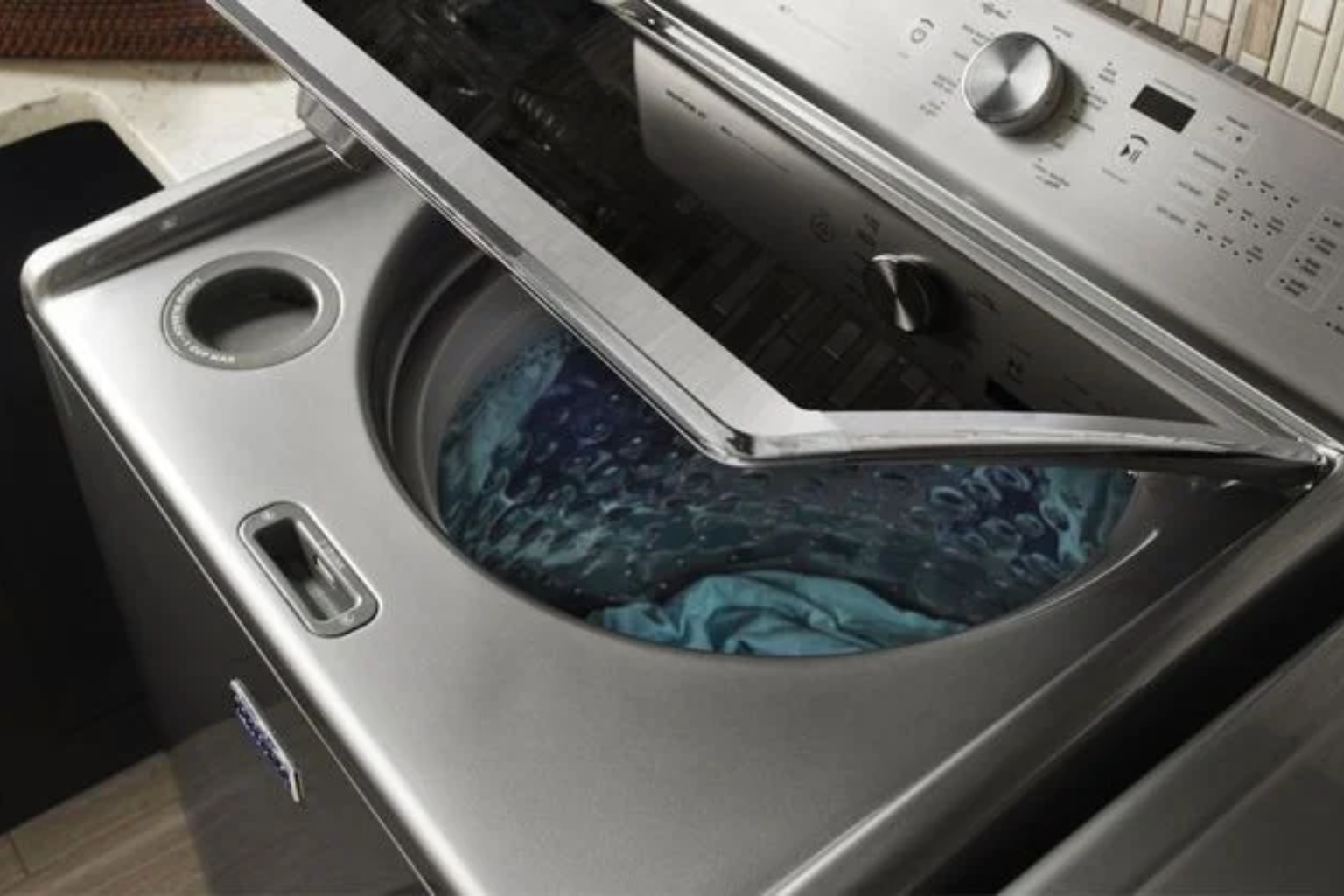
When your washing machine starts acting up, it doesn’t take long for things to pile up. Literally.
Maybe it’s not draining properly. Maybe it makes a loud noise during spin cycles. Or maybe it just stops midway, leaving you with half-clean clothes and a bit of confusion.
These everyday washing issues might seem small at first, but they quickly become inconvenient. Laundry isn’t something you can postpone indefinitely—it’s part of keeping life running smoothly.
And when that system breaks down, even slightly, it creates a ripple effect. You start adjusting schedules, rethinking routines, finding temporary fixes that never quite feel right.
Why These Problems Often Go Unnoticed
Here’s the thing—most appliance issues don’t announce themselves loudly.
They creep in.
A fridge that cools just a little less. An oven that takes a bit longer. A washing machine that’s slightly noisier than before.
We adapt without realizing it. We adjust expectations, tweak habits, tell ourselves it’s “probably nothing.”
Until it becomes something.
And by then, the problem has often grown beyond what it was in the beginning.
The Balance Between Ignoring and Acting
There’s always that moment of hesitation.
Do you call someone now? Or wait a few more days? Maybe it’ll fix itself. Maybe it’s just a one-time thing.
We’ve all had that internal conversation.
But appliances, as useful as they are, don’t really self-correct. They wear down, they struggle, and eventually—they stop.
Acting early doesn’t always mean rushing into repairs. Sometimes it just means paying attention. Noticing patterns. Taking small signs seriously.
Finding the Right Approach Without Overthinking It
Not every issue requires a full repair. Some problems have simple fixes—cleaning, resetting, adjusting.
Others need a bit more expertise.
The key is knowing the difference.
And that doesn’t come from guesswork. It comes from observation, experience, and sometimes, a bit of outside help.
Because while it’s tempting to solve everything on your own, there’s value in getting a clear understanding of what’s actually going on.
A More Grounded Way to Think About Appliance Care
We often expect appliances to just… work. No interruptions, no maintenance, no second thoughts.
But maybe that expectation is part of the problem.
Because like anything else, these machines need attention. Not constant, not overwhelming—but occasional care, awareness, and timely action.
It’s not about being overly cautious. It’s about being realistic.
Bringing Back That Everyday Ease
At the end of the day, what you really want is simple.
You want your fridge to keep things fresh without worry. Your oven to cook evenly without second-guessing. Your washing machine to handle laundry without drama.
And when everything works the way it should, you don’t even think about it.
That’s the beauty of it.
But when something goes wrong, it reminds you just how much these appliances support your daily life.
And maybe that’s the takeaway—not just fixing what’s broken, but appreciating what works.