






Most of us think about water at the kitchen sink. We fill a glass, maybe notice a faint smell, and consider a small under-sink filter. Problem solved, right?
But water doesn’t just live at the sink. It flows through showers, washing machines, dishwashers, bathroom taps, and even the pipes hidden behind your walls. It touches your skin, your clothes, your appliances — every single day.
That’s why more homeowners are starting to look beyond simple point-of-use filters and consider something broader: whole house water filtration. And honestly, once you understand what it actually does, it starts to make a lot of sense.
It’s Not Just About Drinking Water
We often associate water treatment with what we drink. And yes, taste matters. But what about what you bathe in? Or what runs through your dishwasher? Or what fills the tank of your water heater?
If your water contains sediment, minerals, or chemical disinfectants like chlorine, every appliance and fixture in your home interacts with those elements. Over time, that interaction can leave its mark.
You might see it as spots on glassware. Or feel it as dry skin after a shower. Or notice it as scale buildup inside your kettle. These are subtle signs, but they’re persistent.
Treating water at the point where it enters your home means every faucet benefits — not just one.
Tackling the Grit Before It Travels
One of the most overlooked issues in household water is sediment. Tiny particles of sand, rust, or debris can enter municipal systems during maintenance or flow in from private wells after heavy rain.
Even when you don’t see visible particles in your glass, those microscopic bits can travel through your plumbing and into appliances.
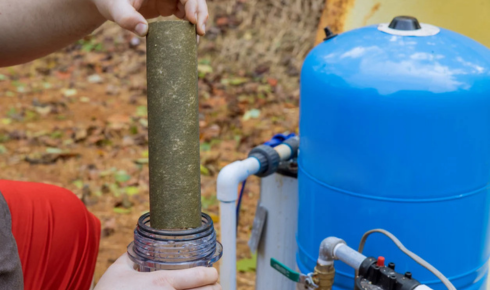
That’s where sediment reduction plays a crucial role. A whole-house sediment filter captures these particles right at the entry point. It protects washing machines, water heaters, and even showerheads from gradual buildup.
Think of it as a protective barrier. It doesn’t just improve water clarity — it helps extend the lifespan of the systems that rely on clean flow.
The Chlorine Conversation
Let’s talk about chlorine. Municipal water systems use it for disinfection, and it does its job well. It keeps water safe during transit from treatment plants to your tap.
But chlorine can also leave behind a distinct smell and taste. And while it’s generally considered safe at regulated levels, some people notice that it dries out skin and hair after repeated exposure.
Installing filtration designed for chlorine removal at the main water line means you’re not just improving what you drink — you’re improving what you shower in.
The difference can feel subtle but noticeable. Softer-feeling water. Less chemical scent. Even fabrics washed in filtered water may feel gentler.
Protecting Appliances Without Realizing It
Water heaters are particularly vulnerable to untreated water. Sediment and mineral buildup can settle at the bottom of tanks, reducing efficiency and increasing energy consumption.
Dishwashers and washing machines also benefit from cleaner water. Over time, fewer particles and chemicals traveling through their systems can mean fewer repairs.
It’s not a dramatic, instant payoff. It’s gradual — a quiet efficiency that accumulates over years.
And in many cases, homeowners don’t realize how much strain their appliances were under until the strain is reduced.
Installation: What to Expect
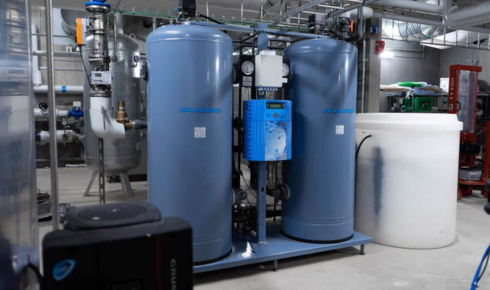
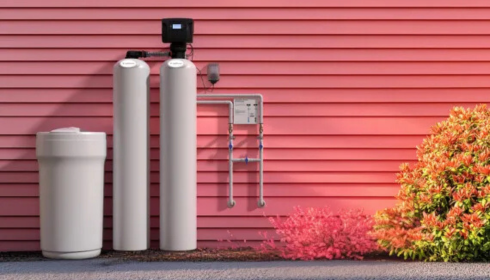
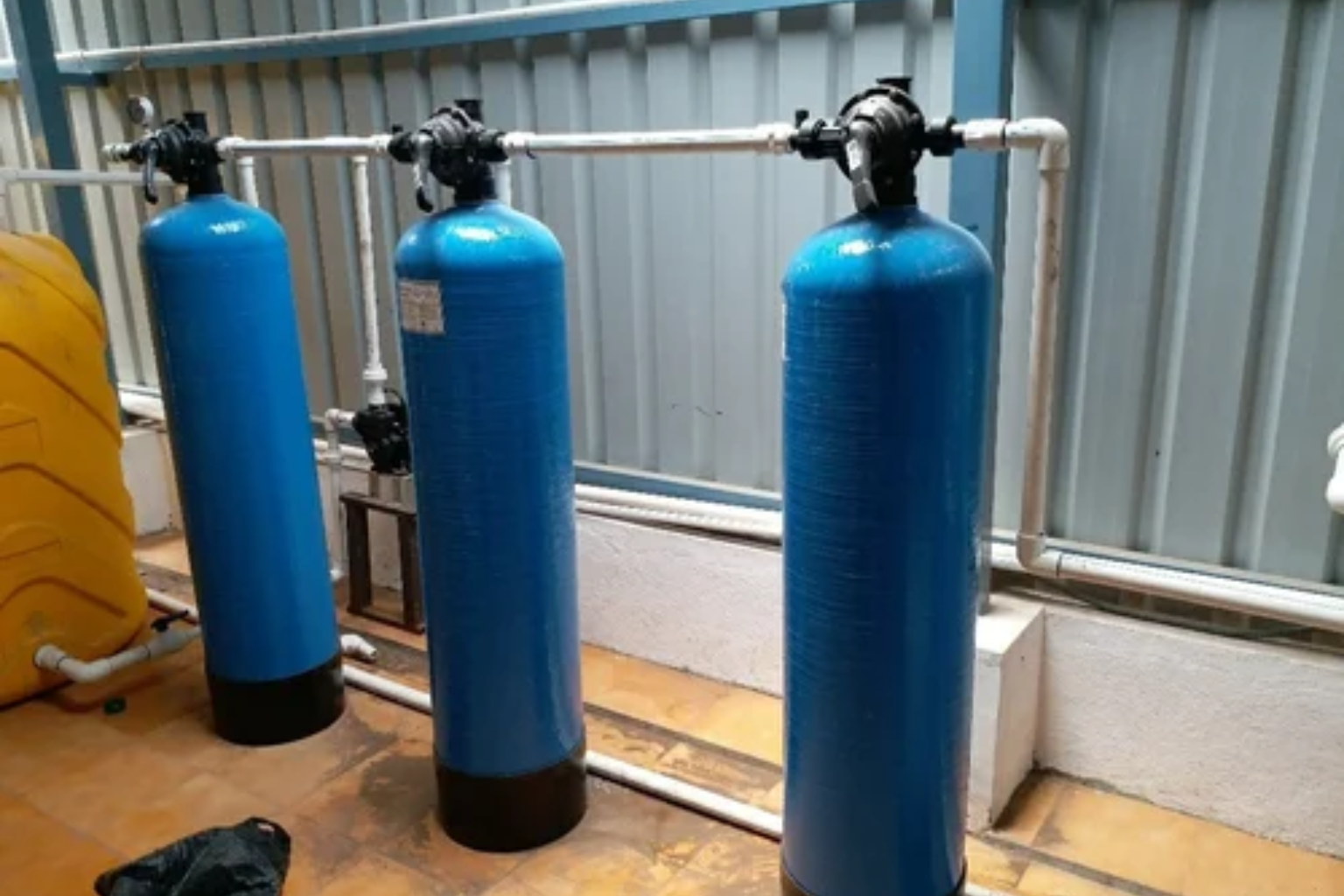
A whole-house system is typically installed where the main water line enters your home. That means every tap downstream receives treated water.
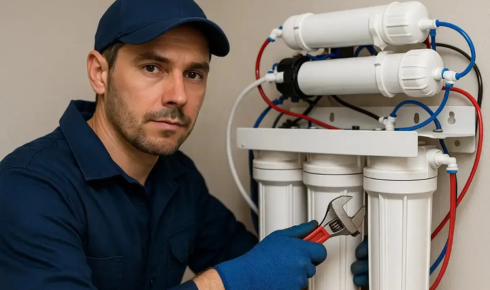
The installation process varies depending on plumbing configuration, but it usually requires professional assistance to ensure proper placement and drainage.
It’s not a kitchen remodel-level project. But it does require thoughtful setup.
Once installed, maintenance becomes the key responsibility. Filters need replacing periodically. Keeping track of service intervals ensures consistent performance.
Is It Worth It for Every Home?
Not necessarily.
If your municipal water is already low in sediment and chlorine levels are minimal, a point-of-use filter may be enough. On the other hand, if you rely on well water or frequently experience taste, odor, or clarity issues, a whole-house approach can simplify everything.
The best starting point is testing. Understanding your water’s specific characteristics removes guesswork.
Water treatment isn’t about overengineering. It’s about solving real problems with appropriate solutions.
A Shift in Perspective
There’s something interesting about improving water quality. It doesn’t change how your home looks. Guests won’t compliment your filtration system.
But you’ll notice.
You’ll notice cleaner shower doors. Softer laundry. Fewer appliance service calls. A subtle improvement in daily routines that’s hard to measure but easy to appreciate.
Water is foundational. It moves quietly through your life. Upgrading it is less about luxury and more about intention.
Final Thoughts
Whole-house filtration isn’t a necessity for everyone. But for households dealing with sediment, chlorine, or persistent water quality concerns, it can be a practical, long-term improvement.
It’s not flashy. It’s not dramatic. It’s steady.
And sometimes, the most meaningful upgrades are the ones that work quietly in the background — supporting your home day after day without demanding attention.
Because when every faucet flows a little cleaner, everything else just feels easier.