





Most home improvements are obvious. You repaint a wall, replace a countertop, or install new flooring — and you can see the difference immediately. Water, on the other hand, doesn’t work that way. It’s invisible most of the time, quietly moving through pipes and fixtures, doing its job without drawing attention.
That’s exactly why many people overlook it.
But the truth is, water quality has a subtle yet constant influence on everyday comfort. It shapes how your appliances run, how your laundry feels, how your skin reacts after a shower, and even how efficiently you clean your home.
And once homeowners start improving their water, they often say the same thing: they wish they had done it sooner.
The Quiet Role Water Plays in Daily Life
Think about how often you interact with water during a typical day. You brush your teeth, make coffee, wash dishes, run laundry, shower, and clean surfaces — all without really thinking about what’s in the water itself.
Yet water quality affects each of those moments.
Hard minerals can leave behind residue. Chemical traces can influence taste. Sediment particles can slowly wear down plumbing fixtures.
None of these issues feel dramatic enough to demand attention right away. But over time, they create small inconveniences that quietly add up.
Improving water quality doesn’t change how your home looks — but it changes how it feels to live there.
Trust Matters When Choosing Water Solutions
One of the biggest concerns homeowners face is knowing which systems they can truly rely on.
With so many products available, it can be difficult to separate marketing claims from actual performance. That’s where independent certifications become important.
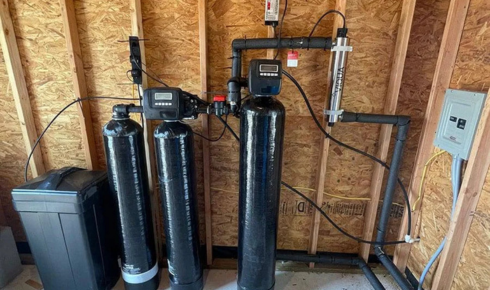
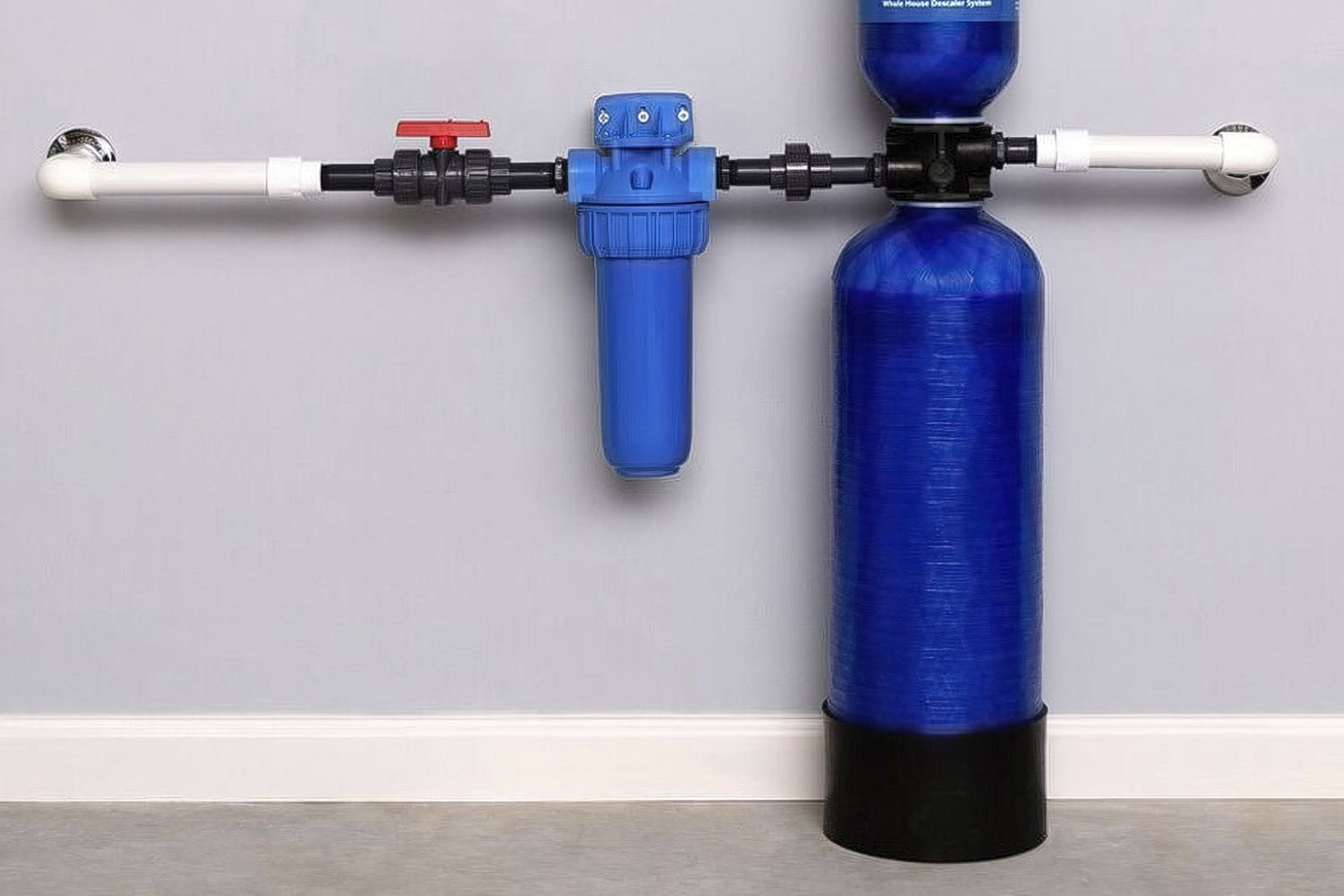
Systems that meet rigorous standards, such as NSF certified softeners, provide reassurance that they’ve been tested for safety, durability, and effectiveness.
This kind of certification acts as a seal of trust. It tells homeowners that the system has passed strict evaluation and can perform as expected under real-world conditions.
For something as essential as water, that confidence makes a big difference.
Why Water Care Is Really About Prevention
Many people think water treatment is only necessary when problems become obvious — like visible scaling or strong chemical taste.
In reality, the biggest benefits come from prevention.
Taking steps toward efficient home water care helps protect plumbing systems, appliances, and fixtures before damage occurs.
When mineral buildup is reduced, water heaters operate more efficiently. Washing machines last longer. Pipes remain clear, allowing water to flow smoothly throughout the home.
Instead of reacting to problems later, proactive care helps maintain long-term efficiency and reduce maintenance costs.
The Comfort of Consistent Performance
Beyond prevention and efficiency, homeowners value consistency.
They want water that behaves predictably — water that doesn’t leave stains on dishes one day and cloudy residue the next.
This is why many modern solutions focus on delivering reliable systems designed for steady, long-term performance.
Consistency means fewer surprises. It means you don’t have to worry about fluctuating water quality or unexpected maintenance issues.
Over time, this reliability becomes part of everyday peace of mind.
Everyday Benefits You Notice Gradually
The most interesting aspect of improved water care is how gradually its benefits appear.
At first, homeowners may notice small changes — softer laundry, clearer glassware, or smoother showers.
Later, they realize they’re using less detergent, spending less time cleaning mineral buildup, and enjoying better-tasting beverages.
These changes rarely happen all at once. Instead, they unfold quietly over weeks and months, becoming part of a more comfortable routine.
It’s a subtle transformation that doesn’t demand attention but steadily improves daily life.
Financial and Environmental Advantages
Improving water quality isn’t just about convenience — it also offers practical financial benefits.
When appliances operate efficiently, energy consumption decreases. Reduced scale buildup means fewer repairs and longer equipment lifespans.
Additionally, better water quality can reduce reliance on bottled water, helping households save money while minimizing plastic waste.
These long-term advantages make water care both economically and environmentally beneficial.
Why Clean Water Feels Like a Lifestyle Upgrade
Unlike visible home improvements, better water care doesn’t change aesthetics. Instead, it enhances experiences.
Showers feel more refreshing. Cooking becomes more enjoyable. Cleaning takes less effort. Household systems operate smoothly.
Over time, these improvements add up to something meaningful — a home that feels more comfortable, efficient, and easy to maintain.
Many homeowners describe it as a lifestyle upgrade rather than a simple utility improvement.
A Quiet Foundation for Everyday Living
At its core, water care is about supporting one of the most fundamental elements of daily life.
Water touches nearly everything we do. When its quality improves, every connected activity becomes slightly easier and more enjoyable.
And perhaps that’s what makes it so valuable.
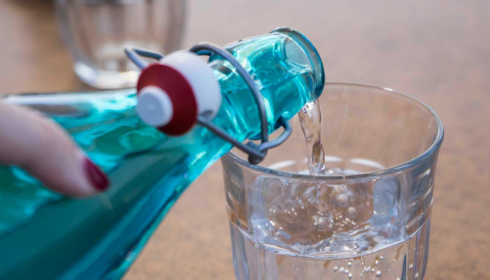
You don’t think about it constantly. You don’t see it in dramatic ways. But you feel its effects in countless small moments — from the smoothness of a morning shower to the clarity of a glass of drinking water.
In the end, taking care of your home’s water isn’t just about solving problems. It’s about creating a quieter, more comfortable foundation for everyday living — one that supports your routines effortlessly, day after day.