







We often assume water is supposed to taste… well, like nothing at all. But if you’ve ever noticed a slight odor, a strange aftertaste, or even a faint cloudiness, you’re not imagining it. Water can vary more than most people realize.
It’s one of those things we rarely question. You turn the faucet, fill a glass, and drink without thinking twice. Water is part of the background of everyday life — reliable, familiar, and usually taken for granted.
Until something feels off.
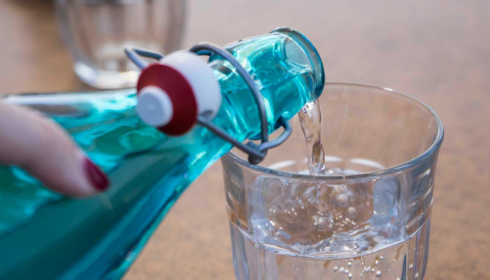
Maybe it’s a subtle chlorine smell when you run the tap in the morning. Maybe your coffee tastes slightly different from day to day. Sometimes it’s just a visual thing — tiny particles floating in a glass, or a faint haze that disappears after a few minutes.
These little details don’t necessarily mean your water is unsafe. But they do reveal something important: water quality isn’t as simple as “clean” or “not clean.”
It exists on a spectrum — and improving it can make a surprising difference in daily life.
Why Water Doesn’t Always Taste Neutral
Many people assume drinking water should have no taste at all. In reality, even treated municipal water often contains trace elements that influence flavor.
Chlorine, for example, is commonly used to disinfect water supplies and prevent bacterial growth. While effective, it can leave behind a noticeable smell and taste.
Minerals like calcium and magnesium also contribute to subtle flavor variations. Some people describe mineral-rich water as slightly metallic, while others find it chalky or flat.
These characteristics aren’t harmful — they’re simply part of how water interacts with the environment and treatment processes.
Still, they can affect how enjoyable water feels to drink.
The Hidden Role of Sediment
Sometimes, changes in water clarity aren’t about taste at all.
Older plumbing systems, construction activity nearby, or natural shifts in water sources can introduce tiny particles into the supply. These particles might be harmless but still visible.
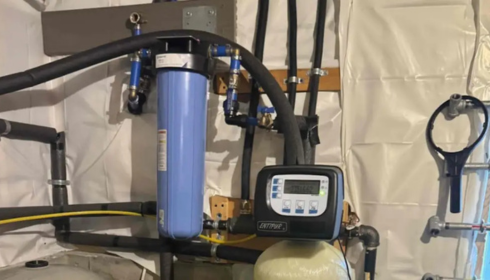
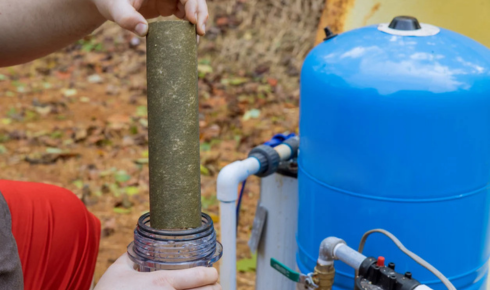
That’s where filtration systems designed for sediment control play an important role. They capture dirt, rust, and other suspended materials before they reach your glass.
Even when these particles aren’t dangerous, removing them improves both appearance and overall water consistency.
And honestly, clear water simply feels more reassuring.
The Impact of Chlorine on Daily Use
While chlorine serves a crucial role in maintaining water safety, its presence can create noticeable side effects.
Beyond affecting taste, chlorine may also influence cooking and beverages. Tea brewed with chlorinated water can taste slightly bitter. Coffee may lose some of its natural richness.
Some people even notice chlorine during showers, where its smell becomes more pronounced as water warms.
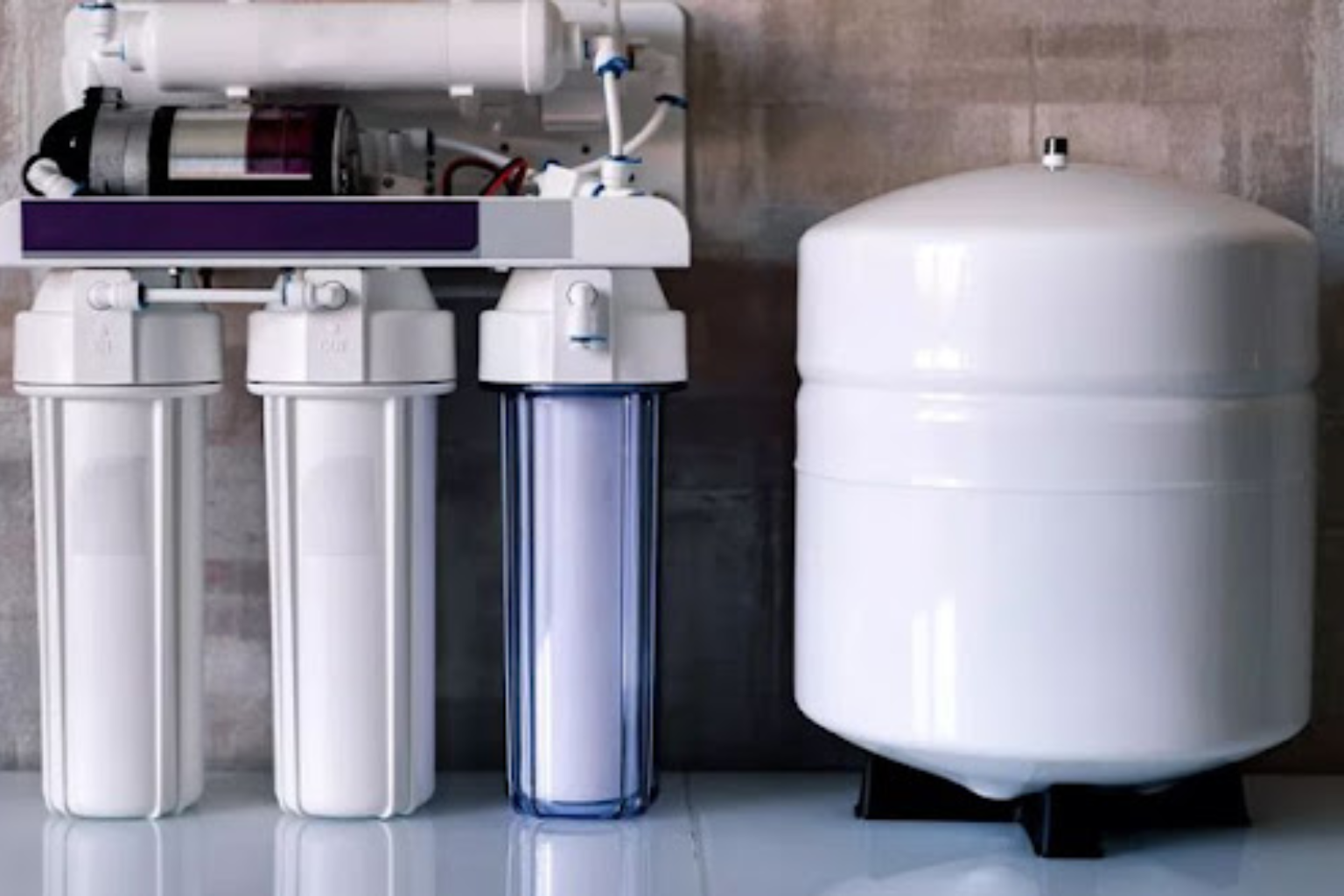
Filtration systems designed to reduce chlorine can help address these issues, making water feel fresher without altering its safety.
For many households, this change alone dramatically improves the everyday experience of using tap water.
Why Clarity and Taste Go Hand in Hand
Water isn’t just about hydration — it’s part of nearly every daily routine.
It influences how food tastes, how drinks are prepared, and even how comfortable we feel while bathing.
When water filtration systems work to improve taste and clarity, the benefits often extend beyond what people initially expect.
Coffee becomes smoother. Cooking flavors feel more vibrant. Even something as simple as rinsing fruits and vegetables feels cleaner.
These improvements might seem small individually, but they add up in meaningful ways over time.
Understanding That Water Quality Varies Naturally
One important thing to remember is that water quality isn’t static.
Seasonal changes, infrastructure maintenance, and shifts in water sources can all influence taste and clarity.
For example, municipal systems may adjust treatment processes during warmer months to manage algae growth, leading to temporary flavor differences.
Similarly, older pipes can introduce sediment after repairs or construction activity.
These variations are normal, but they explain why water sometimes seems inconsistent from one period to another.
The Psychological Comfort of Consistent Water
Beyond practical improvements, there’s also an emotional aspect to water quality.
Consistently clear, fresh-tasting water provides a quiet sense of confidence. You don’t hesitate before drinking. You don’t wonder about strange smells or appearances.
That reliability matters more than we often acknowledge.
It’s one of those subtle factors that contribute to a home feeling comfortable and dependable.
The Long-Term Benefits Most People Overlook
Improving water clarity and taste doesn’t just enhance daily routines — it can also protect household systems.
Sediment buildup can damage appliances over time, clogging valves and reducing efficiency. Mineral deposits may accumulate inside kettles and coffee makers, shortening their lifespan.
By addressing these issues early, homeowners often reduce maintenance costs and extend the life of their equipment.
It’s a practical advantage that becomes increasingly noticeable over the years.
Why Awareness Around Water Quality Is Growing
In recent years, more people have started paying attention to water quality as part of broader health and environmental awareness.
Access to information has made it easier to understand how treatment processes work and how small improvements can enhance everyday living.
At the same time, filtration technologies have become more affordable and user-friendly, making them accessible to a wider range of households.
What once felt like a specialized upgrade now feels like a common-sense improvement.
The Bigger Picture: Water as a Daily Foundation
At its core, water isn’t just something we drink occasionally — it’s woven into every aspect of daily life.
From cooking and cleaning to hydration and comfort, its quality influences how smoothly routines unfold.
Improving water clarity and taste doesn’t create dramatic changes. Instead, it offers subtle enhancements that quietly improve everyday experiences.
And often, those quiet improvements matter the most.
The Bottom Line: Small Adjustments, Meaningful Results
Paying attention to water quality isn’t about overthinking something simple. It’s about recognizing that something so essential deserves a little extra care.
With the right filtration approach, homeowners can enjoy clearer, fresher-tasting water while protecting their appliances and improving daily comfort.