Selecting tile for your home involves more than finding a color or pattern you like. The right tile needs to match the room’s purpose, withstand everyday use, and work with your home’s overall design. Whether you’re remodeling a bathroom, updating a kitchen backsplash, or replacing worn flooring, understanding tile materials and their practical differences helps you make a confident decision.
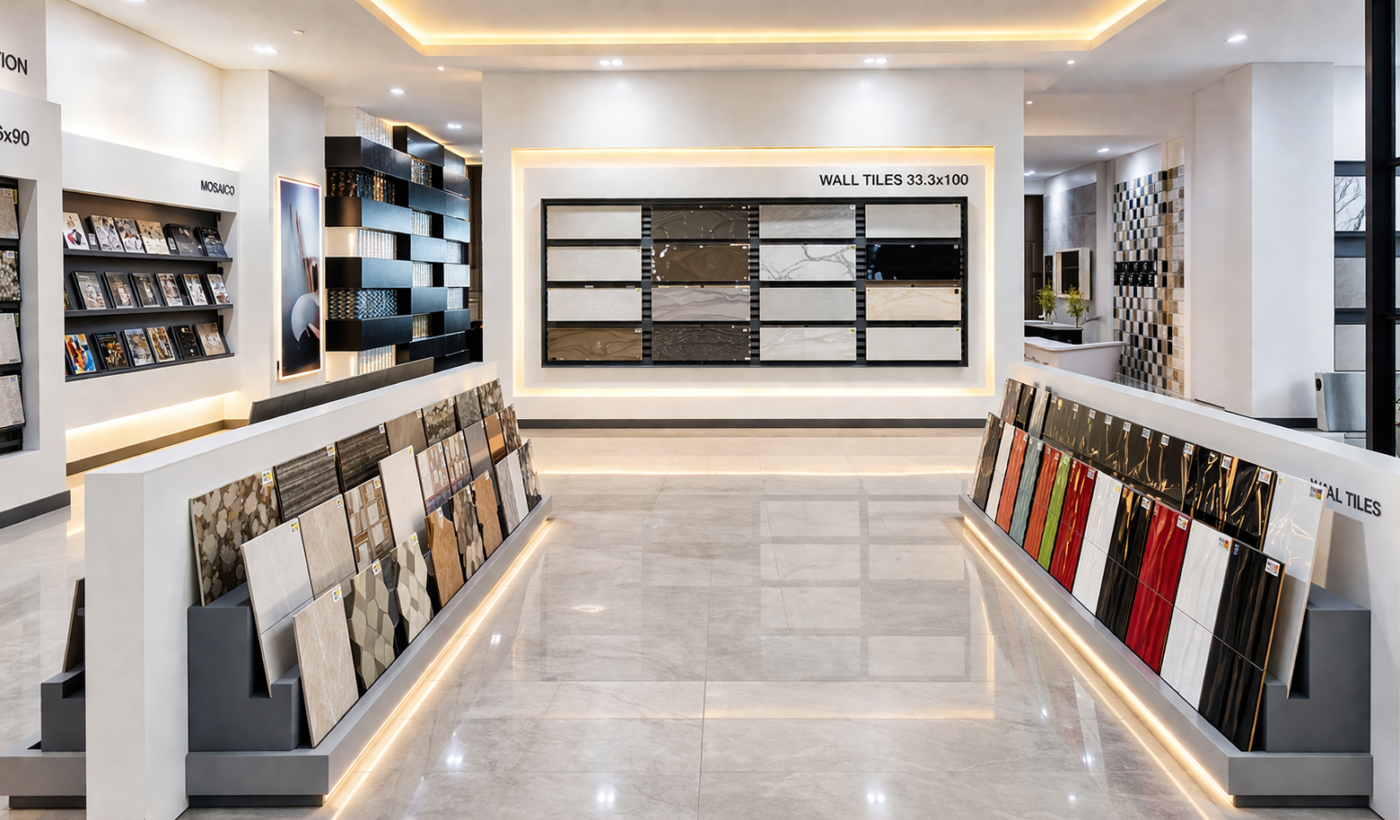
When visiting a tile store in Bothell, WA, you can compare materials, sizes, textures, finishes, and colors in person before committing to a design. Seeing physical samples is especially useful because lighting and surrounding finishes influence how tile looks in your home. A well-planned selection balances appearance with durability, cleaning requirements, installation needs, and the conditions of the room.
Match Tile Specifications to the Room
Every room places different demands on tile, so start by checking the technical information rather than choosing solely by appearance. Bathroom floors, for example, require attention to wet slip resistance. The wet Dynamic Coefficient of Friction (DCOF) is one measurement used for evaluating traction. For level interior areas expected to be walked on when wet, ANSI guidance uses a minimum wet DCOF AcuTest value of 0.42 for ceramic tile.
Durability should also match the intended application. Ask whether the tile is rated for floor or wall use and review the manufacturer’s wear or abrasion classification where provided. These specifications help distinguish products intended for heavier floor traffic from those designed primarily for walls or decorative applications.
Before shopping, consider how the space is used. A busy household with children or pets needs flooring that handles daily wear without demanding constant upkeep. For a guest bathroom used occasionally, design flexibility might take priority. Identifying these requirements first narrows your choices and gives you specific product information to compare.
Compare Water Absorption and Material Performance
Porcelain and ceramic tiles are among the most versatile options for residential projects. Ceramic tile works well for many walls and lighter-use applications, while porcelain is classified according to a defined water-absorption requirement. Under ANSI A137.1, porcelain tile has water absorption of 0.5% or less when tested using ASTM C373.
Natural stone brings distinctive variation because every piece has its own patterns and characteristics. Marble, travertine, slate, and other stones create an upscale, organic appearance, but some require sealing and more attentive maintenance than manufactured tile.
When comparing materials, look beyond the display surface. Ask about water absorption, DCOF or other applicable slip-resistance information, recommended applications, maintenance requirements, and whether the product is suitable for floors or walls. These details are more useful for long-term planning than appearance alone.
Plan the Installation Before Ordering
Tile size and installation details can significantly affect the finished appearance. Large-format tiles create fewer grout lines and often produce a clean, contemporary appearance. Smaller tiles provide more layout flexibility and work particularly well for detailed patterns, shower floors, backsplashes, and decorative borders.
Your layout also influences the perceived proportions of a space. Straight layouts create a simple, structured appearance, while staggered, herringbone, or geometric arrangements introduce more visual movement. For diagonal or patterned installations, order additional material for cuts and waste. A common planning allowance is about 10%, although complex layouts, rooms with many corners, and specialty patterns may require more. Confirm the recommended waste factor with the installer or supplier before ordering.
Tile edges also affect installation. Rectified tiles are mechanically finished to create more consistent, precise edges, which can support narrower grout joints. However, there is no universal grout-joint width; the appropriate joint depends on the tile, manufacturer requirements, and installation conditions.
The setting material matters as well. Thinset or other appropriate mortar must be compatible with the tile, substrate, and installation location. In a shower, tile is not the waterproofing itself. The installation should include a properly designed waterproofing system behind or beneath the tile in accordance with the applicable installation method and product requirements.
Consider Maintenance and Sealing Requirements
A beautiful tile installation is easier to enjoy when its maintenance fits your routine. Porcelain and ceramic surfaces are generally straightforward to clean, but grout requires attention because it is more porous than many tile surfaces.
Use appropriate cleaning products and avoid harsh chemicals that are not recommended for the selected material. Natural stone requires particular care because certain cleaners can damage or discolor its surface. Sealing requirements also vary by stone, grout, and product, so follow the manufacturer’s instructions for when sealing is required and how often it should be renewed rather than applying a generic maintenance interval.
For shower installations, also consider how moisture will be managed behind the finished tile. Proper waterproofing, compatible thinset, correctly treated seams and penetrations, and appropriate drainage are installation considerations that should be addressed before tile is installed.
Consider Tile Costs Before You Buy
Tile costs vary according to material, size, finish, pattern, and design complexity. Basic ceramic tile may have a different material cost from porcelain, natural stone, large-format products, or specialty decorative tile. The total project budget should also account for grout, thinset or mortar, waterproofing materials where required, trim pieces, delivery, removal of existing materials, labor, and installation complexity.
A lower tile price does not necessarily mean a lower overall project cost if the product requires additional installation materials or creates more cutting and labor. Comparing the material price alongside installation requirements gives you a clearer picture of the project’s total cost.
Make Your Bothell Tile Project Easier
A successful tile project starts with decisions based on both design and performance. Measure your space carefully, account for approximately 10% waste as a starting point, compare samples under your home’s lighting, and confirm that the selected tile is rated for its intended application.
If you’re planning a renovation, visit a tile store in Bothell, WA to explore suitable materials and discuss your project’s requirements with a flooring professional. Taking time to compare specifications, installation materials, maintenance requirements, and total project costs before installation helps you create a finished space that looks intentional, performs reliably, and remains easier to maintain for years.