It’s funny how much time we spend choosing household cleaning products, kitchen appliances, and bathroom fixtures without giving much thought to the water that connects them all.
Water affects nearly everything we do at home. When it contains excessive sediment, unpleasant odors, or certain unwanted substances, even simple activities can become frustrating. You might notice particles collecting around faucets, an unfamiliar smell while showering, or drinking water that doesn’t taste particularly inviting.
Installing a whole home filtration system can help address specific water quality concerns before they affect different areas of your property.
Unlike a small drinking water filter, this approach considers the household’s broader water requirements. And for many families, that distinction makes a meaningful difference.
How Whole-House Filtration Actually Works
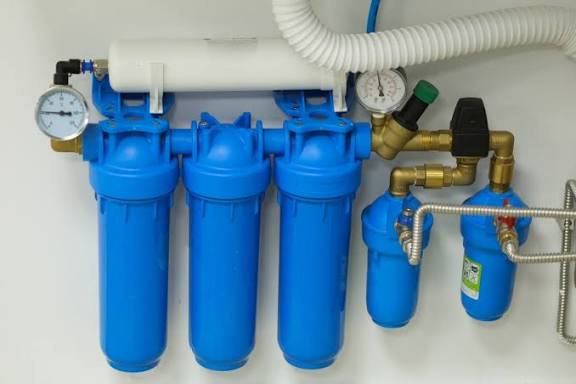
Whole-house filtration equipment is typically connected near the main water supply line. Incoming water passes through one or more treatment stages before traveling through the property’s plumbing.
The type of treatment depends on the equipment installed.
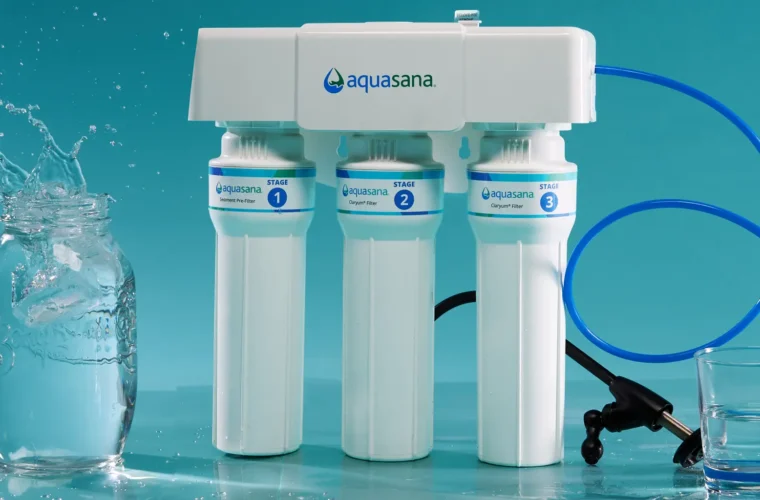
A sediment filter captures suspended particles such as sand, dirt, and rust. Activated carbon media can help reduce certain chemical tastes and odors, while specialized filtration technologies may address particular contaminants.
Some households also incorporate water softening or ultraviolet disinfection equipment, depending on their water testing results.
These technologies perform different functions, so understanding their individual purposes is important.
Rather than choosing equipment simply because it offers several filtration stages, consider what your water actually needs. Sometimes, a straightforward arrangement is more effective and economical than an unnecessarily complicated system.
Enjoying Better Water Beyond the Kitchen
Imagine coming home after a long afternoon of gardening, stepping into the shower, and not having to deal with that unpleasant water odor you’ve grown accustomed to.
It’s a small thing, perhaps, but those little improvements often make home life more enjoyable.
The appeal of having cleaner water for every faucet in your home lies in the convenience of treating selected water quality concerns at a central location rather than installing separate filters throughout the property.
Depending on the treatment arrangement, homeowners may experience reduced sediment, improved water taste, and fewer unpleasant odors.
Suitable filtration can also help protect certain plumbing components and household appliances from suspended debris.
However, the actual benefits depend on incoming water conditions and the equipment’s verified capabilities. Not every filtration system addresses every water quality problem.
Choosing Filters That Match Your Household’s Needs
A household relying on private well water might encounter completely different challenges from a property receiving municipal water.
That’s why choosing appropriate residential whole-house filters should begin with understanding your water source and arranging relevant testing.
Municipal water customers may primarily want to address chlorine-related taste and odor concerns. Private well owners could experience sediment, elevated iron concentrations, or microbial contamination that requires specialized treatment.
Even neighboring properties can have different water characteristics because of their plumbing or groundwater conditions.
Before purchasing equipment, consider the number of people living in your home, typical water consumption, available installation space, and operating pressure.
These details influence how effectively filtration equipment performs during everyday use.
A qualified water treatment specialist can help you identify products that suit both your water quality concerns and household requirements.
Will Whole-House Filtration Solve Hard Water Problems?
This is a question that comes up frequently, and the distinction is worth understanding.
Ordinary sediment and carbon filters generally aren’t designed to remove dissolved calcium and magnesium, the minerals primarily responsible for water hardness.
If stubborn white deposits keep appearing around your showerhead or kettle, a conventional water softener may be more appropriate.
Softening equipment can be combined with filtration when a household experiences several distinct water quality concerns.
For instance, a family might need softening to manage mineral buildup and carbon filtration to improve particular taste or odor issues.
The important thing is giving each component a specific purpose rather than assuming that one product can handle everything.
Think About Water Pressure Before Installation
Nobody wants better filtration at the expense of a disappointing shower.
Whole-house equipment must accommodate the property’s water demand, particularly when several fixtures operate simultaneously.
An undersized filter may restrict water flow, especially as sediment accumulates. Larger equipment, meanwhile, may introduce unnecessary purchasing costs if the additional capacity isn’t required.
Consider your busiest household routines. Perhaps someone is showering while the dishwasher and washing machine are running.
A properly sized system should account for these periods of increased demand.
Discussing flow requirements and plumbing compatibility before installation can help prevent frustrating performance problems afterward.
Keeping Your Filtration Equipment in Good Condition
A water filter isn’t a permanent solution that can simply be forgotten after installation.
Cartridges gradually accumulate debris, treatment media reach their service limits, and certain components require periodic replacement.
Follow manufacturer maintenance recommendations and keep replacement dates somewhere convenient.
Reduced water flow or recurring unpleasant tastes may indicate that attention is needed, although treatment effectiveness can decline without noticeable warning signs.
For equipment addressing potentially harmful contaminants, appropriate follow-up testing helps verify continued performance.
A little routine maintenance can protect your investment and prevent unnecessary interruptions.
Making Your Home More Comfortable, One Drop at a Time
Whole-house filtration isn’t about chasing perfect water or purchasing the most expensive equipment available. It’s about identifying everyday concerns and choosing practical solutions that genuinely address them.
Start with reliable water testing, understand your treatment options, and select equipment that fits your household’s requirements.
Whether you’re washing dishes, preparing dinner, or enjoying a long shower after work, water contributes to countless ordinary moments.
Improving those moments doesn’t always require dramatic changes. Sometimes, a thoughtfully selected filtration system quietly makes your entire home feel more comfortable.
And over the years, that’s an improvement you’ll probably appreciate far more than you initially expected.