Living in a home with its own well comes with a welcome sense of independence. But when your bathroom fixtures develop stubborn stains, your water smells unpleasant, or freshly washed towels feel unusually rough, that independence can come with a few frustrations.
Investing in appropriate well water filtration and softening can help homeowners manage unwanted particles, excessive hardness, and other specific water quality concerns that interfere with everyday household activities.
The interesting thing about groundwater is that its composition can vary significantly, even between neighboring properties. What works beautifully for one household might accomplish very little for another.
That’s why improving well water begins with understanding its characteristics rather than immediately shopping for treatment equipment.
Getting to Know the Water Beneath Your Property
Groundwater collects naturally occurring minerals and other substances as it travels through layers of soil and rock. These materials can influence everything from water taste to the amount of residue left behind on bathroom fixtures.
Calcium and magnesium contribute to hardness, while iron can create reddish-brown stains. Hydrogen sulfide may produce an unpleasant rotten egg odor.
Some households also experience problems with suspended sand or fine sediment.
However, not every water quality concern is visible. Potentially harmful microorganisms and certain dissolved contaminants can be present without affecting taste or appearance.
Regular testing is particularly important when you’re responsible for maintaining your own water supply.
Understanding these characteristics gives you a much better starting point when considering treatment.
Why Professional Guidance Can Save Time and Money
Shopping for water treatment equipment can feel surprisingly complicated. With so many filtration technologies available, it’s difficult to know which ones deserve your attention.
Taking advantage of a free well water consultation, where available, can help you discuss recurring water problems, explore possible treatment methods, and understand installation requirements before committing financially.
During an initial consultation, a treatment professional may ask about your household consumption, existing equipment, water pressure, and noticeable changes in water quality.
Basic screening may also provide useful information about hardness, iron, and pH.
Comprehensive laboratory testing, however, may still be necessary to evaluate drinking water safety.
Having these conversations early can prevent unnecessary purchases and help you develop a more realistic understanding of what your property requires.
Why Personalized Water Treatment Makes More Sense
Imagine two neighboring households. One struggles with mineral scale inside its appliances, while the other experiences persistent iron stains and unpleasant odors.
Installing identical treatment equipment in both homes wouldn’t necessarily produce satisfactory results.
Choosing customized treatment for well water means selecting filtration and conditioning technologies according to measured water conditions, household demand, and the specific improvements homeowners want to achieve.
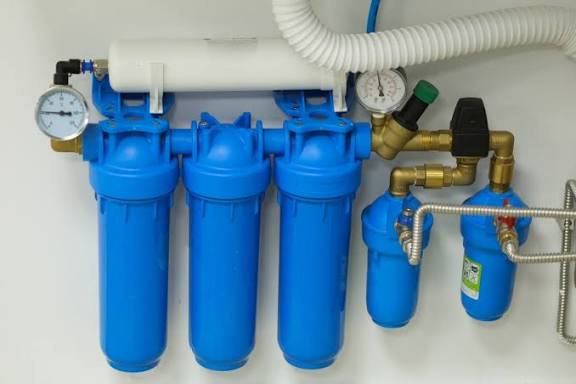
Sediment filters may capture suspended particles, while specialized oxidation and filtration systems can address certain iron and sulfur-related concerns.
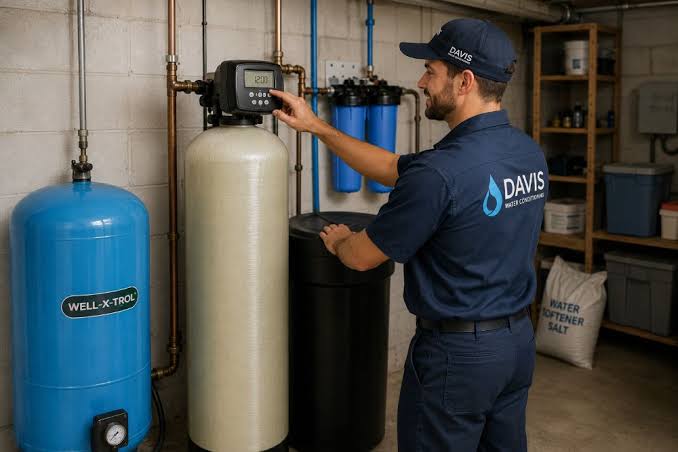
Conventional water softeners reduce hardness minerals through ion exchange. Additional disinfection equipment may be necessary when microbial risks are identified.
Every treatment stage should have a clearly defined purpose.
Sometimes, the simplest arrangement is also the most practical and economical.
Understanding the Difference Between Filtration and Softening
Filtration and softening are often discussed together, although they accomplish different things.
Filtration generally targets specific particles or contaminants, depending on the media and technology used. Softening primarily reduces dissolved calcium and magnesium.
If your kettle constantly develops chalky deposits, an ordinary sediment filter probably won’t resolve that problem.
Likewise, installing a softener alone may not adequately address significant sediment accumulation or microbial contamination.
Some households benefit from combining several technologies because their water presents multiple concerns.
Understanding these differences helps homeowners avoid unrealistic expectations and choose equipment that addresses the actual source of their frustrations.
Enjoying a Home With Fewer Water-Related Problems
The benefits of appropriate water treatment often become apparent during ordinary household activities.
You might spend less time removing mineral deposits from bathroom fixtures or notice fewer iron-related stains on freshly washed laundry.
Soap may lather more readily after excessive hardness has been reduced, making certain cleaning tasks easier.
There’s also the satisfaction of taking a shower without encountering that unpleasant odor you’ve grown accustomed to.
These aren’t necessarily dramatic lifestyle changes. Still, when experienced day after day, they can make household responsibilities considerably more manageable.
Appropriate treatment may also help limit future mineral accumulation inside certain water-using appliances, supporting a more preventive approach to home maintenance.
Planning for Installation and Ongoing Maintenance
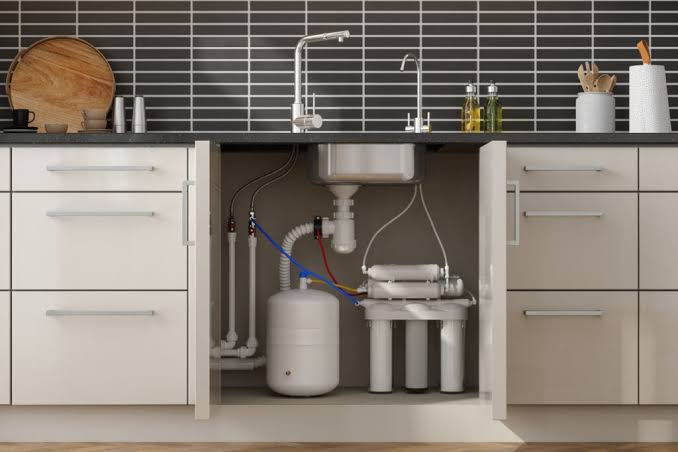
A reliable treatment system needs more than suitable filtration media. It must also accommodate your household’s water consumption without unnecessarily restricting flow.
Consider available installation space, drainage requirements, incoming pressure, and accessibility for routine servicing.
Conventional softeners require periodic salt replenishment, while filtration cartridges and specialized media may need replacement or maintenance.
Ask about ongoing operating expenses before purchasing equipment.
Groundwater conditions can also change over time, particularly following flooding or well repairs. Regular laboratory testing helps homeowners monitor these changes and evaluate treatment performance.
Remember that clearer-looking or better-tasting water isn’t necessarily proof that it’s safe to drink.
Consistent maintenance and appropriate monitoring remain essential.
Taking a Long-Term Approach to Better Well Water
Owning a well shouldn’t mean constantly worrying about unpleasant smells, stained fixtures, or recurring mineral deposits.
Begin with reliable testing, seek professional guidance when necessary, and select treatment equipment that reflects your property’s individual requirements.
A thoughtfully designed system can make everyday water use more comfortable while addressing specific quality concerns.
Ultimately, looking after your well is part of looking after your home. With a little attention and the right treatment approach, you can enjoy the independence of your own water supply without letting its maintenance become an overwhelming responsibility.