The quality of your household water affects more of your daily routine than you might realize. It’s there when you make your first cup of coffee, wash vegetables for dinner, take a relaxing shower, and tackle that growing pile of laundry. When something about your water isn’t quite right, even these simple activities can become frustrating.
Investing in suitable water filtration for everyday home use can help address specific water quality problems and make ordinary household activities more enjoyable without requiring major lifestyle changes.
Still, choosing the right treatment system isn’t always straightforward. Different homes have different water conditions, and not every filtration technology serves the same purpose.
A little understanding goes a long way, especially when you’re looking for a solution that will remain useful for years.
Paying Attention to the Water You Use Every Day
Most homeowners don’t spend much time thinking about water quality until they notice something unusual.
Perhaps your drinking water has developed an unpleasant taste. Maybe there’s a chalky coating inside your kettle, or your bathroom fixtures seem to attract stubborn stains.
These signs can provide clues about what’s happening within your water supply.
Hardness minerals may contribute to scale formation, while iron can cause reddish-brown discoloration. Unpleasant odors might be associated with disinfectants, groundwater characteristics, or problems within household plumbing.
However, appearances can be misleading.
water that looks perfectly clear isn’t necessarily free from unwanted contaminants. Similarly, mineral deposits don’t automatically indicate that your water is unsafe.
Appropriate testing helps separate genuine concerns from assumptions, giving you a more reliable starting point for treatment.
Why Professional Guidance Makes a Difference
There’s an overwhelming number of water filtration products available, and sorting through their advertised benefits can feel like a job in itself.
Working with experienced providers of professional home water treatment can help homeowners understand their water conditions and select equipment that addresses actual problems rather than unnecessary concerns.
A treatment specialist can evaluate factors such as household consumption, incoming water pressure, available installation space, and water testing results.
For example, a family struggling with recurring mineral deposits may benefit from softening, while another household might simply need a suitable carbon filter to address an unpleasant drinking water taste.
These situations require different approaches.
Getting the right advice early can prevent expensive mistakes and help homeowners establish realistic expectations about treatment performance.
Understanding What Different Filtration Technologies Offer
Water treatment isn’t about finding one magical device that removes everything. Different technologies have specific strengths.
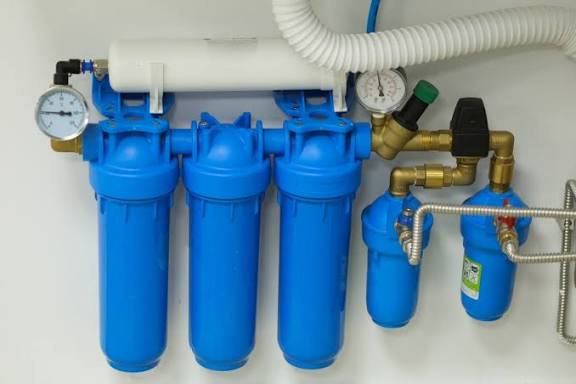
Sediment filters capture suspended particles such as sand and rust. Activated carbon filtration can reduce certain undesirable tastes, odors, and contaminants.
Water softeners primarily address calcium and magnesium, helping reduce future hardness-related deposits.
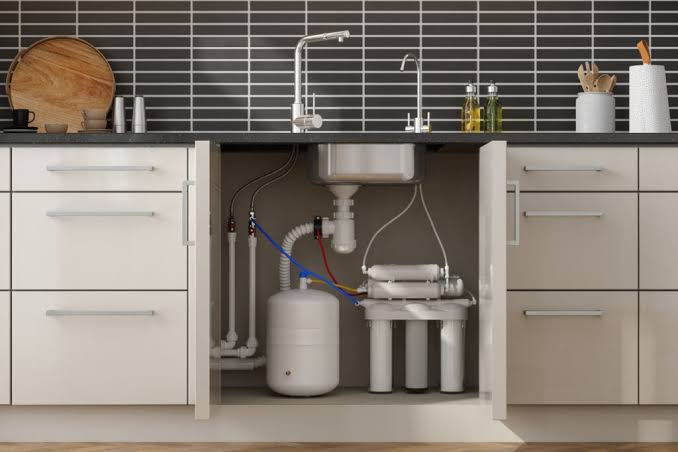
Reverse osmosis systems provide more specialized treatment for various dissolved substances, particularly in drinking water applications.
Ultraviolet disinfection may also be appropriate for addressing microbial risks under suitable operating conditions.
Some properties benefit from combining several treatment methods. Others require only a straightforward filtration system.
The key is understanding what each component accomplishes. More equipment doesn’t necessarily mean better results, especially when certain treatment stages serve no meaningful purpose in your home.
How Better Water Supports Everyday Household Comfort
The advantages of better everyday water quality often become apparent through small, familiar experiences rather than dramatic changes.
Your morning tea might taste more enjoyable after addressing an unpleasant water odor. Appropriate softening could make bathroom cleaning less demanding by reducing future mineral deposits.
Soap may lather more readily, and certain appliances might require less frequent descaling.
Think about how often you wash dishes, clean faucets, or prepare beverages throughout the year. Even modest improvements can add up to considerable convenience.
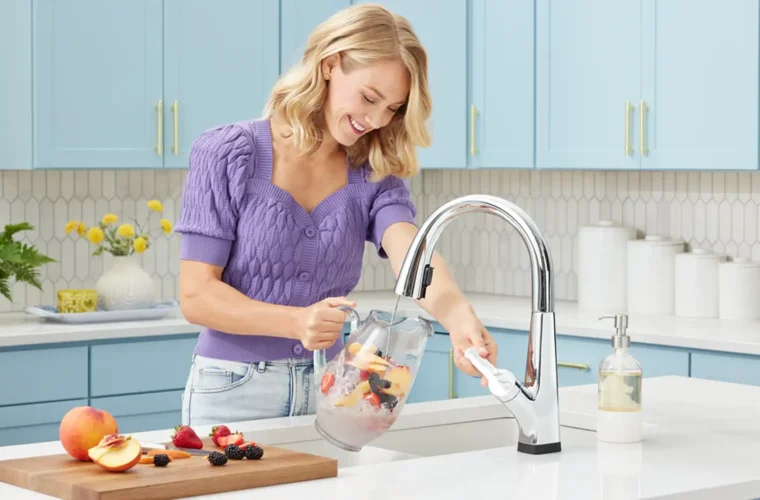
There’s also something satisfying about having suitably filtered drinking water readily available instead of constantly purchasing bottled water.
These benefits depend on your original water conditions and the equipment selected, but they can make a thoughtful investment feel genuinely worthwhile.
Deciding Whether to Filter the Entire House
Not every water quality issue requires treatment throughout your property.
If your primary concern involves the taste of drinking water, a dedicated under-sink filtration system might be sufficient.
However, when sediment, iron, or hardness-related concerns affect several household fixtures, centralized treatment may offer greater practical value.
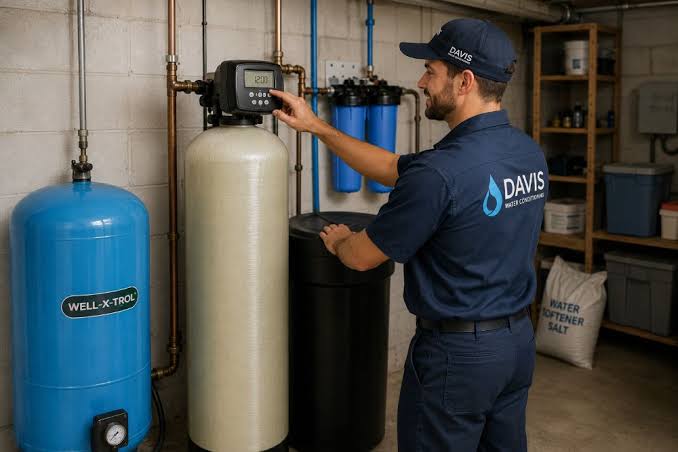
Whole-home systems treat incoming water before it reaches connected plumbing fixtures and appliances.
Some homeowners combine centralized treatment with specialized drinking water filtration in the kitchen. This allows different technologies to address separate concerns without unnecessarily treating every gallon of water in the same way.
Consider where problems occur most frequently before making a decision.
A well-planned installation should complement your household routine rather than complicate it.
Keeping Your Water Treatment Investment Working Effectively
Even the best filtration equipment requires regular attention.
Sediment cartridges collect particles, carbon filters gradually lose treatment capacity, and reverse osmosis membranes eventually require replacement.
Before purchasing equipment, ask about maintenance schedules, replacement component availability, and anticipated operating expenses.
Keep a record of servicing dates so important maintenance tasks don’t get forgotten during busy periods.
Private well owners should continue arranging appropriate water testing, particularly for microbial contamination and other locally relevant concerns.
Remember that ordinary filtration doesn’t automatically make unsafe source water suitable for drinking.
Regular maintenance and periodic testing, where appropriate, help keep treatment equipment performing as intended.
A Simple Improvement That Can Make a Lasting Difference
Improving household water quality doesn’t have to involve an expensive collection of complicated equipment.
Start by understanding your water, identify the concerns that genuinely affect your household, and choose treatment technologies with demonstrated capabilities.
Sometimes, the most valuable home improvements aren’t the ones visitors immediately notice. They’re the quiet changes that make everyday activities easier, more comfortable, and less frustrating.
From that first cup of coffee in the morning to the last glass of water before bedtime, thoughtful water treatment can bring practical benefits to the moments that make up ordinary life.