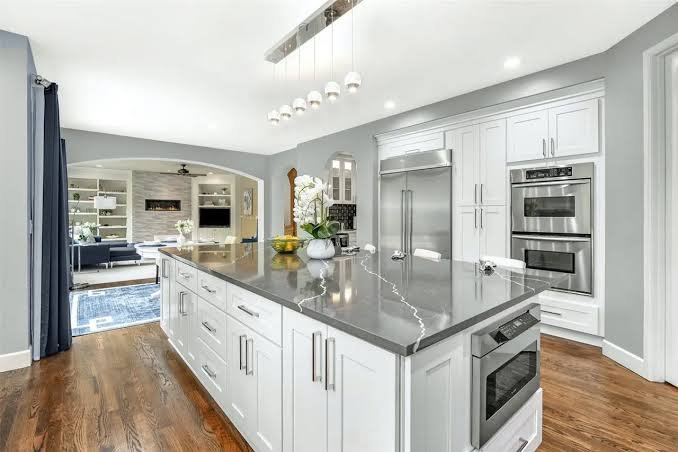
A countertop does more than complete the appearance of your kitchen. It provides the main work surface for preparing meals, serving food, and handling everyday tasks. Because countertops receive frequent use, choosing the right material requires attention to durability, maintenance, appearance, and compatibility with your overall kitchen design. Granite remains a popular natural-stone option for homeowners who want a distinctive surface with substantial everyday performance.
When evaluating granite countertops in Redmond, WA, consider how the material fits your cooking habits, cabinet style, color palette, and maintenance preferences. Granite is a natural stone, so each slab features its own mineral patterns, colors, and variations. That natural character gives your kitchen a one-of-a-kind appearance while providing a solid surface designed for regular household use.
Why Granite Works Well for Busy Kitchens
Kitchen countertops face spills, heat, moisture, food preparation, and repeated cleaning. Granite offers a hard surface that stands up well to everyday activity when it is properly fabricated, installed, and maintained.
Another advantage is visual variety. Granite comes in numerous colors and patterns, ranging from subtle backgrounds with fine movement to dramatic slabs featuring bold veining. This makes it easier to coordinate the countertop with painted cabinetry, natural wood, backsplashes, flooring, and hardware.
For homeowners remodeling in Redmond, the natural variation also creates an opportunity to build a kitchen around a specific slab rather than selecting a countertop solely from a small sample.
Choosing the Right Granite for Your Kitchen
Start with the overall design rather than choosing a stone in isolation. If your cabinets feature strong colors or detailed door profiles, a quieter granite pattern creates balance. Conversely, simple cabinetry provides a suitable backdrop for a more expressive stone.
Pay attention to the slab’s background color, pattern movement, and finish. A polished surface provides a smooth, reflective appearance, while other finishes offer a more understated visual effect. View large samples or full slabs whenever possible because a small sample does not always reveal the complete pattern.
Your countertop layout matters, too. Discuss seams, overhangs, sink cutouts, cooktop openings, and edge profiles before fabrication. Common edge profiles include eased, bevel, bullnose, and ogee styles, each creating a different visual transition along the countertop. Ask where seams will be placed, particularly around sinks, cooktops, corners, and areas with strong pattern movement, because seam locations can sometimes be planned to make them less noticeable. These details influence both the finished appearance and practical usability of the countertop.
Also consider the countertop’s thickness during planning. Standard slab thicknesses are commonly around 2 cm or 3 cm, although the finished appearance can vary depending on the fabrication method and edge treatment. If you are covering a small surface such as a bathroom vanity, ask whether a suitable remnant slab is available, as remnants can provide a practical way to use a smaller piece of stone.
Granite vs. Quartz: Which Is Better for Your Kitchen?
Granite is a natural stone, so every slab has its own mineral composition, colors, and pattern variations. Quartz is an engineered surface that offers more consistent patterns and does not require sealing. Granite can appeal to homeowners who prioritize the individuality of natural stone, while quartz may suit those who prefer consistent appearance and lower routine maintenance.
The right choice depends on how you use the space and what characteristics matter most. Compare samples of both materials in person, consider your preferred maintenance routine, and evaluate how each option works with your cabinets, backsplash, and overall kitchen design.
Granite Maintenance and Care Tips
Natural stone performs best when you follow a consistent care routine. Wipe up spills promptly, particularly substances that could leave stubborn stains. Use a cleaner formulated for natural stone instead of harsh products that could damage the surface or affect its appearance.
Sealing is another important consideration. Granite is not completely impervious to liquids, and sealing helps reduce the stone’s susceptibility to staining. As a practical maintenance check, test the surface about once a year by placing a few drops of water on an inconspicuous area. If the water beads on the surface, the sealer is generally still providing protection; if the water darkens the stone or absorbs noticeably, ask the fabricator whether resealing is appropriate. The appropriate sealing schedule depends on the specific granite and how heavily the countertop is used, so follow the fabricator’s maintenance recommendations.
For daily care:
A. Use cutting boards rather than cutting directly on the countertop.
B. Place trivets beneath very hot cookware.
C. Clean spills instead of allowing them to sit for extended periods.
D. Avoid abrasive cleaning products unless specifically approved for the stone.
E. Check the surface periodically for areas where resealing is appropriate.
Match Countertops With Long-Term Kitchen Goals
A successful countertop installation should complement more than your current decorating preferences. Think about how your kitchen will be used several years from now. Consider whether you need generous preparation space, seating overhangs, additional counter area around appliances, or a layout that supports frequent entertaining.
Granite also works particularly well as a visual anchor. Once you select the stone, coordinate the backsplash, cabinet color, wall paint, and fixtures around its dominant tones. This approach creates a cohesive design rather than forcing several competing patterns into the same room.
When planning the project, also account for the time between template measurement and installation. Confirm the expected template-to-install lead time with the countertop provider before scheduling other trades or making final project commitments. This helps prevent delays if fabrication, material availability, or installation scheduling changes.
Make an Informed Countertop Decision in Redmond
Choosing granite countertops in Redmond, WA involves more than finding an attractive color. You need to consider the slab’s characteristics, kitchen layout, edge details, maintenance requirements, and relationship with surrounding finishes.
If you’re planning a kitchen renovation in Redmond, begin by evaluating how you use your existing countertop and what needs improvement. Compare granite patterns in person, confirm fabrication details, ask about available remnant slabs for smaller surfaces, and establish a practical care routine before installation. With thoughtful planning, your new countertop can provide a durable work surface while giving your kitchen a distinctive look that complements the rest of your design.