






In today’s digital banking era, transactions are quick and convenient, but sometimes things don’t go as planned. Many users face issues like ATM transaction failures or accidental transfers. These situations can be stressful, especially when money is debited but not received. Understanding how to handle an atm transaction failed complaint or a Mistake payment can save both time and anxiety.
What is an ATM Transaction Failure?
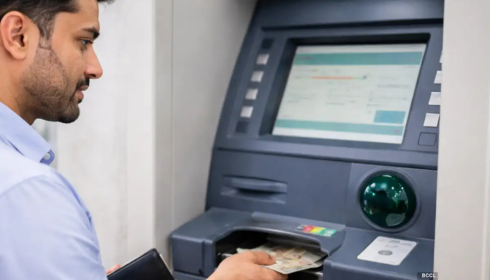
An ATM transaction failure happens when your bank account is debited, but the cash is not dispensed. This can occur due to technical glitches, network errors, or insufficient cash in the ATM machine. Even though banks have advanced systems, such issues still happen occasionally.
In most cases, the amount gets automatically reversed within a few hours to a few working days. However, if the refund is delayed, you need to take action.
Common Reasons for ATM Transaction Failure
There are several reasons why ATM transactions fail. One of the most common causes is network connectivity issues between the ATM and the bank server. Another reason could be power failure during the transaction process.
Sometimes, the ATM machine may run out of cash, yet the system processes the debit. Incorrect PIN entries or expired cards can also lead to unsuccessful transactions. Understanding these reasons helps you stay alert while using ATMs.
Steps to File an ATM Complaint
If your money is debited but not received, you should immediately report the issue. First, keep the transaction slip if available or note down the transaction ID, date, and time.
Next, contact your bank’s customer care through their helpline or mobile app. Most banks also provide an option to register complaints through internet banking. You can also visit your nearest branch and submit a written complaint.
As per banking guidelines, banks usually resolve such issues within 5 to 7 working days. If the bank delays beyond this period, you may even be eligible for compensation.
What is a Mistake Payment?
A Mistake payment occurs when money is transferred to the wrong account, either due to entering incorrect details or selecting the wrong contact in UPI or net banking. This is a common issue in digital transactions where speed often leads to small errors.
Unlike ATM failures, mistaken payments are harder to reverse because the transaction is successfully completed. However, there are still ways to recover your funds.
How to Recover Mistaken Payments
If you’ve sent money to the wrong account, act quickly. First, inform your bank immediately through customer care or by visiting a branch. Provide all transaction details such as reference number, date, and amount.
Your bank will try to contact the recipient’s bank and request a reversal. If the receiver agrees, the money will be refunded. In case the recipient refuses, you may need to take legal action.
You can also file a complaint on the NPCI or RBI complaint portals for faster resolution. Keeping screenshots and transaction proof is very important in such cases.
Tips to Avoid Transaction Errors
Prevention is always better than cure. Before making any transaction, double-check all details like account number, IFSC code, or UPI ID. Avoid rushing while entering sensitive information.
While using ATMs, ensure the machine is functioning properly and avoid using suspicious or isolated machines. Always wait for the transaction confirmation message before leaving.
Using secure banking apps and enabling transaction alerts can also help you track your payments in real time.
Final Thoughts
Facing transaction issues can be frustrating, but knowing the correct steps makes the process much easier. Whether it’s an ATM failure or an accidental transfer, quick action and proper documentation are key.
Banks today are more responsive than ever, and most problems are resolved efficiently if reported on time. Stay cautious, follow best practices, and you’ll minimize the chances of financial errors in the future.