Every home improvement project comes with a little excitement and, quite often, a surprising amount of mess. Whether you’re updating an outdated kitchen, clearing out an overgrown backyard, or finally tackling that renovation you’ve been putting off, waste is something you’ll need to consider. Old furniture, broken tiles, wood scraps, packaging materials, and unwanted debris can quickly take over your available space.
Good waste management isn’t just about keeping things tidy. It helps projects run smoothly, improves safety, and saves valuable time. With a little planning and the right disposal solution, even a major cleanup can feel much more manageable.
Why Waste Management Deserves More Attention
People often focus on materials, contractors, budgets, and timelines when planning a project. Waste disposal tends to become an afterthought. Unfortunately, that can create unnecessary problems once work begins.
Imagine removing old kitchen cabinets or pulling up damaged flooring. Within a few hours, debris can pile up in hallways, garages, and driveways. Leaving everything in one corner might seem convenient initially, but it can make movement difficult and increase the risk of accidents.
A proper waste management plan gives you a designated place for unwanted materials. It also helps workers stay organized and reduces interruptions caused by repeated trips to local disposal facilities.
Before starting any project, consider the amount of waste you’re likely to generate, the type of materials involved, and how frequently you’ll need them removed.
Choosing the Right Dumpster for Your Project
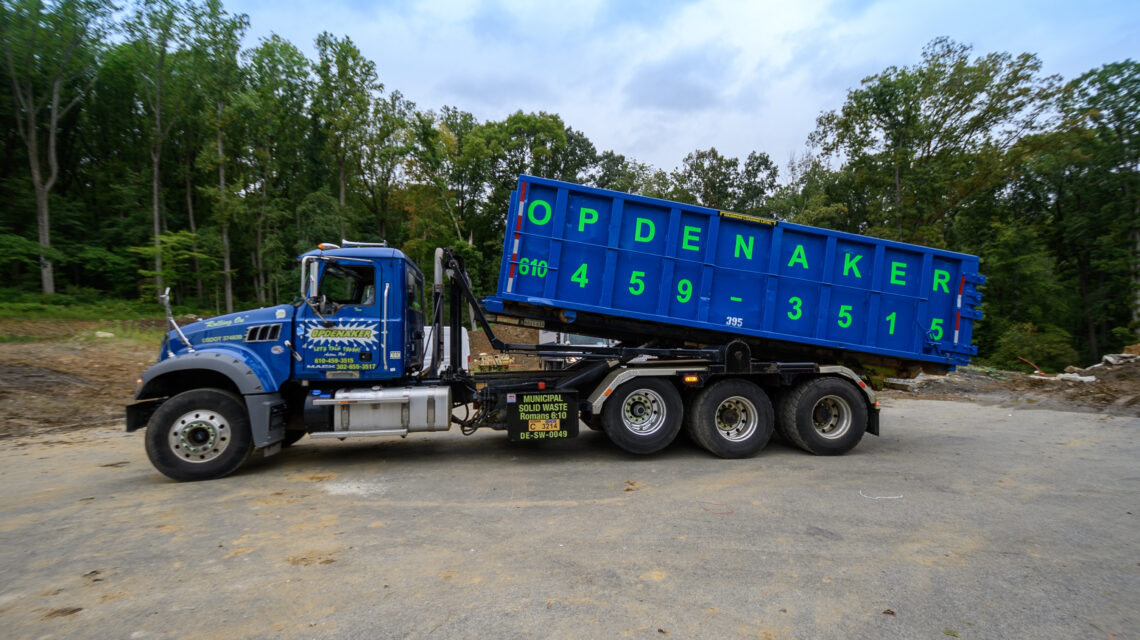
One practical solution for handling large amounts of debris is temporary dumpster rental. Instead of relying on ordinary household garbage collection, you get a dedicated container that can accommodate waste generated during a specific project.
This option is particularly useful when you’re dealing with bulky materials or several days of continuous work.
However, choosing the right container size matters. A dumpster that’s too small may fill up before the job is finished, while an unnecessarily large one could increase your expenses.
Consider these common project requirements:
- Small cleanup jobs: Garage cleaning, basement organization, and minor household decluttering generally produce manageable amounts of waste.
- Medium-sized projects: Bathroom updates, flooring replacement, and room renovations may require additional capacity.
- Large projects: Whole-house renovations, major property cleanouts, and construction work can generate substantial debris.
It’s worth discussing your estimated waste volume with the rental provider. They can help recommend an appropriate container based on the materials and project duration.
Keeping Renovation Work Organized
Home renovations rarely go exactly according to plan. A simple flooring replacement might reveal damaged subflooring, while removing a wall could uncover additional repairs that weren’t part of the original budget.
These unexpected situations are common during remodeling projects, which makes preparation especially important.
One helpful approach is to separate waste as it is generated. Keep recyclable materials, reusable items, and general construction debris apart whenever possible. This makes disposal easier and may reduce the amount of material sent to landfills.
For example, clean cardboard packaging, certain metals, and some untreated wood may be recyclable depending on local facilities. Old cabinets, doors, and fixtures might also be suitable for donation or reuse if they’re still in reasonable condition.
Don’t automatically throw everything away. Sometimes, materials that appear useless during renovation can serve another purpose elsewhere.
It’s also important to understand what your dumpster provider accepts. Paint, chemicals, batteries, electronics, tires, and other restricted materials may require separate disposal arrangements. Checking these rules beforehand prevents confusion and potential additional charges.
Outdoor Improvements Create Their Own Waste
Indoor renovations aren’t the only projects that produce considerable debris. Outdoor improvements can be equally demanding, particularly when you’re working with soil, branches, stones, and unwanted vegetation.
A backyard cleanup might begin with trimming a few bushes but quickly turn into a much bigger undertaking. Overgrown plants need cutting, old garden structures may need dismantling, and damaged outdoor furniture often ends up on the disposal list.
During landscaping, waste can accumulate faster than expected, especially when removing established plants or reshaping garden areas.
Different outdoor materials require different disposal methods. Grass clippings, leaves, and small branches may be suitable for composting or green waste collection. Larger tree limbs, concrete pieces, and soil may need specialized handling.
Planning ahead helps you avoid mixing materials that cannot be disposed of together. It also keeps your outdoor workspace accessible while the improvements are underway.
Safety Should Always Come First
A clean working environment is a safer working environment. Loose nails, broken glass, sharp metal, and scattered construction materials can easily cause injuries when left around a busy worksite.
Make sure waste is collected regularly rather than allowing it to accumulate in walkways. Heavy materials should be handled carefully, and workers should use appropriate gloves, footwear, and protective equipment.
Dumpster placement also deserves attention. Ideally, the container should be positioned somewhere accessible without blocking entrances, emergency exits, or neighboring properties.
If you’re placing it on a public street or another regulated area, check whether local permits are necessary. Requirements vary depending on the municipality.
Another important consideration is loading. Avoid filling containers beyond their designated capacity or allowing materials to extend above the permitted fill line. Overloaded dumpsters can create transportation hazards and may not be collected until corrected.
How to Keep Waste Disposal Costs Under Control
Project expenses have a habit of adding up. Even when you’ve carefully calculated labor and material costs, unexpected disposal expenses can affect your budget.
Fortunately, a few practical decisions can make waste management more affordable.
Start by estimating how much debris you’ll generate. Ask your contractor for an honest assessment rather than guessing based on the project’s appearance.
Compare rental providers, but don’t focus entirely on the advertised price. Look at rental duration, included weight limits, delivery charges, collection fees, and additional costs for prohibited materials or excess weight.
You can also reduce disposal volume by donating usable furniture, recycling eligible materials, and selling items that still have value.
Finally, avoid keeping a container longer than necessary. If the project finishes early, arrange collection according to your rental agreement.
Planning Makes Every Project Easier
The success of a renovation or cleanup isn’t measured only by how attractive the finished space looks. The process matters too. A well-organized project creates fewer interruptions, improves workplace safety, and makes it easier to stay within budget.
Waste removal might not be the most exciting part of improving a property, but ignoring it can turn an otherwise straightforward job into a frustrating experience.
Take time to assess your disposal needs, choose an appropriate container, understand local waste regulations, and separate materials whenever practical. These simple steps can make a noticeable difference.
Whether you’re clearing a cluttered garage, refreshing an outdoor space, or renovating several rooms, thoughtful waste management helps keep everything moving in the right direction. After all, the goal isn’t simply to get rid of unwanted materials. It’s to create a cleaner, safer space where something better can take shape.