






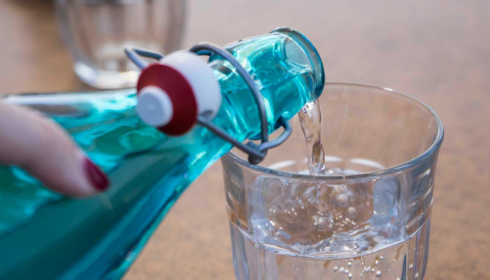
Some trends hit you over the head with flashy branding and celebrity hype, and alkaline water is one of them. You’ve seen it. Bottles lined up on shelves, pH numbers front and center, wrapped in words like “energizing,” “cleansing,” “detoxifying.” It feels like the kind of drink you’d find in a spa with someone in a white robe and cucumber slices on their eyes.
But the more I heard about it, the more I wondered — what exactly is this stuff? And is there any truth behind the claims, or is this another case of overpriced water in a fancy bottle?
I set out to unpack it — not as a scientist or health guru, but as a regular person who just wanted to understand why water suddenly needs a PR team.
Cutting Through the Confusion
So, let’s start where most of us probably are: trying to Google “what is allaline water” after seeing a typo-laden Instagram story from someone swearing it “changed their gut health overnight.” The spelling may be off (it’s “alkaline,” just FYI), but the curiosity is real.
At its core, alkaline water is water with a higher pH level than regular tap water. The pH scale runs from 0 to 14 — 7 is neutral, below 7 is acidic, above 7 is basic or “alkaline.” Your tap water usually sits somewhere around 7. Alkaline water? Think pH 8, 9, sometimes even creeping toward 10.
That difference in pH is what gives alkaline water its name — and its supposed benefits.
The (Somewhat) Scientific Side
Now, if you’re asking, “what is the pH of alkaline water,” the answer is generally between 8 and 9.5. The number alone isn’t harmful or magical — it just tells you the water is less acidic than what you’re probably used to.
This higher pH is often achieved either naturally (from springs running through mineral-rich rock) or synthetically, by machines called ionizers or by adding minerals like calcium, magnesium, or potassium. It’s those minerals — along with the changed pH — that supposedly make the water “better.”
And here’s where it gets interesting: some small studies have shown that alkaline water might help with acid reflux. Others suggest it could help athletes rehydrate faster. But big, sweeping claims like curing diseases or drastically improving digestion? Those are still floating in the gray area of “anecdotal” at best.
That One Time I Bought Into It
I’ll admit — I bought a bottle. Or three. It wasn’t cheap, but I figured I’d give it a fair shot. For a week, I swapped my usual filtered tap water for this higher-pH version. Did I notice a dramatic change? No. Did I feel slightly less bloated after meals? Maybe. Did I drink more water because it felt fancier and tasted a bit smoother? Absolutely.
Was that worth the price tag? That’s up for debate.
But one thing’s for sure: I started paying more attention to hydration, and for me, that alone was a win. Sometimes it’s not about the actual product doing magic — it’s about the ritual it encourages.
Sorting Fact from Wellness Fiction
So, you might still be wondering, what is alkiline water? (And yes, that’s the second most commonly misspelled version, right after “allaline.”) No shame — we’re all here to learn.
Alkiline water is, in theory, the same thing: water with a higher pH and added minerals. The spelling might vary, but the pitch is consistent — drink this, and you’ll feel better.
But here’s where I land after digging through the studies, watching too many YouTube reviews, and becoming an unwilling water snob: alkaline water isn’t some miracle elixir, but it’s also not a total scam. It might not “detox” your entire body (spoiler alert: your liver and kidneys already do that), but it can be a refreshing, slightly smoother way to hydrate — and if you like it, that’s valid.
Is It Worth the Switch?
Depends.
If you’re already drinking plenty of water, eating well, and feeling great, you probably don’t need it. But if you’re struggling to stay hydrated and find that alkaline water tastes better or helps your stomach feel calmer — then sure, it might be worth the splurge.
Personally? I keep a few bottles in the fridge for when I want something that feels a little elevated — like a treat, not a health mandate. And when guests come over and ask “why does this water taste so smooth?” — it’s a conversation starter.
Final Thoughts: Just Drink the Water
In the end, the best water is the one you’ll actually drink. Whether it’s straight from the tap, filtered through a Brita, or pulled from a $3 bottle with a pH rating printed in bold — what matters most is that you’re staying hydrated.