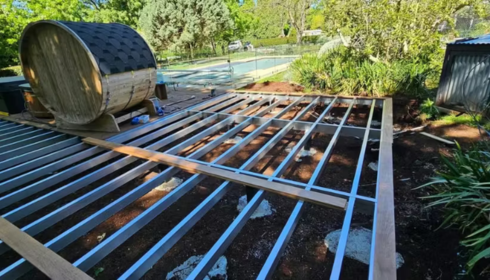
If you have ever considered building a deck, you understand that the most obvious aspect that people tend to look at is the deck itself, the colour, the furniture, or the lighting. Yet, the most important part of every deck isn’t visible to the eye, and that is the framework. That is where aluminium structures come in, and they offer a framework that is not only lightweight but also strong enough to hold everything together. With the use of aluminium beams, which are designed to perfection by aluminium suppliers, you can have a framework that is not only sturdy but also extremely versatile.
In modern decking, aluminium has been progressively replacing other traditional decking materials such as steel and wood. This is because aluminium eliminates the various problems that come with these two materials. Wood, for instance, has a high chance of decaying, warping, and infestation by pests. Steel, on the other hand, is too heavy and tends to rust. Additionally, steel decking often requires maintenance. However, aluminium decking is long-lasting, maintenance-free, and can keep its strength for decades. Understanding the benefits of aluminium decking is critical for any person wishing to construct a beautiful and functional deck.
1. Exceptional Strength-to-Weight Ratio
One of the main reasons aluminium has become so popular in recent years is its strength-to-weight ratio. This basically means it’s strong enough to carry heavy loads, yet light enough to move around without a crane. It’s only 1/3 the weight of steel for an equivalent level of strength. For example, timber will bend, warp, or crack over time. Steel is incredibly strong, but it’s also a bit of a pain to move around and install, especially if you’re talking about a multi-level deck. Aluminium is strong and also manageable.
Imagine that you are attempting to move a large, solid steel beam as opposed to an aluminium beam. Because the aluminium beam is lighter, handling, lifting, and installation are made simpler. Builders will benefit greatly from this as it reduces labour expenses. It’s a major benefit for homeowners because it makes their house safer and causes less disturbance.
In addition, aluminium beams can span much farther than wood, in some cases up to 50% more. If you want an open, spacious deck with fewer posts blocking your view, this can make a real difference. Think of a deck in the yard with a view of a garden or a pool. Fewer posts mean more space and fewer intrusions in the yard. Furthermore, there is no need to concern yourself with sagging or uneven planks with heavy furniture or planters.
Let’s assume that you visited your friend’s deck last summer. You noticed how airy the deck looked. In addition, the aluminium frame ensured that the deck had wide spaces without the use of pillars. However, the structure of the deck is rock-solid. It is this invisible quality of lightness and strength that makes aluminium a brilliant option for modern decks.
2. Resistance to Corrosion and Environmental Stress
If your deck will be exposed to the elements all year round, that means it will have to face the sun, rain, wind, and possibly even sea spray if you live in a coastal area. All of these can damage traditional decking materials. Steel will rust, wood will rot or expand, and even treated wood will require regular maintenance to stay in good condition. Aluminium, on the other hand, will develop a protective oxide coating that will not rust, and will repel sea spray much more effectively than steel. This means your aluminium decking frame will have a much longer lifespan without the need for constant maintenance.
This resistance is particularly valuable in coastal regions. Salt air is brutal on timber and steel, often causing rust or decay in just a few years. Aluminium stands up to these conditions with minimal fuss. Even in areas with high humidity or frequent rain, it holds its shape and strength, making it a long-term investment.
3. Design Flexibility and Sustainability
Aluminium, when considered as far as design goes, is great since it is much more flexible. Timber has limited options because of its size, shape, and natural weak points. This does not, however, apply to aluminium since it can be molded into different shapes, bent, and customised to fit almost any design you want. It will not cause things to wobble, so you can design it with curved decks, different levels, benches, and even planter boxes. If you want to build a deck that stands out, then aluminium is the way to go since it will allow you to do just about anything that is hard and expensive with other materials.
Imagine a sleek rooftop patio where the aluminium frame wraps around the edge, holding the seating and deck boards without any gaps. If you had tried to do that with wood, it would have meant using awkward joints, adding a bunch of extra supports, and just generally guessing a lot. But with aluminium, the structural planning is simpler, and it ends up looking neat and polished.
Sustainability is another bonus. Aluminium is 100% recyclable without losing strength, meaning recycled aluminium can be reused indefinitely, often with 95% less energy than producing new materials. Choosing aluminium over new timber or steel reduces environmental impact significantly. For environmentally conscious homeowners, that’s a huge plus. You get a durable, flexible frame that also helps reduce waste and energy consumption.
It’s easy to overlook the frame, but when you consider how long it lasts and how eco-friendly it is, aluminium becomes a surprisingly responsible choice. Knowing that the structure under your deck can last decades while being recycled responsibly is both practical and reassuring.
4. Precision and Compatibility in Construction
When you build a deck, precision matters; even small misalignments in the frame can lead to uneven boards, creaks, or wobbling. Aluminium excels here because it can be manufactured to very tight tolerances, often within 1mm. Pre-engineered aluminium beams and frame components fit together almost like a puzzle, which minimises errors during assembly and ensures the finished deck is stable and level.
Aluminium is also great for modular construction. Decking frames can be designed in sections, which makes transportation and installation easier. If you ever want to expand or modify your deck, aluminium’s compatibility and adjustability make it simple. It’s also easier to integrate with other materials. Whether you’re using composite decking, glass balustrades, or stone features, aluminium creates a clean, modern look that blends with nearly any material.
Conclusion
Versatility, durability, and perfect balance of strength are offered by an aluminium decking frame. Aluminium structures provide a solid, lightweight foundation, while aluminium beams support your deck with minimal maintenance. Its natural resistance to corrosion, thermal stability, and environmental resilience make it ideal for outdoor use, even in challenging climates.