






Most people don’t wake up one day suddenly obsessed with their home’s water. It doesn’t work like that. It’s usually a slow build—little annoyances stacking up until they’re hard to ignore.
A shower that leaves your skin feeling dry. Glasses that never quite look clean. Maybe even that faint taste in your drinking water that you can’t quite describe but definitely notice. None of it feels urgent, but together, it starts to matter.
And that’s usually when the shift happens. You stop thinking about water as something that comes out of a single tap, and start seeing it as something that flows through your entire home.
The Problem Isn’t Always Where You Think It Is
It’s easy to assume the issue is isolated. Maybe your kitchen tap is the problem, or your bathroom fixtures. So you fix that one point—install a filter, change a fixture, adjust your routine.
But then the same issues pop up somewhere else.
That’s because water doesn’t just exist in one place. It moves through your entire plumbing system—every pipe, every appliance, every outlet. So if there’s a problem, chances are it’s affecting more than just one spot.
And treating it at only one point? Well, that’s a bit like patching a leak without checking where the water is actually coming from.
Looking at the Bigger Picture of Your Home’s Water
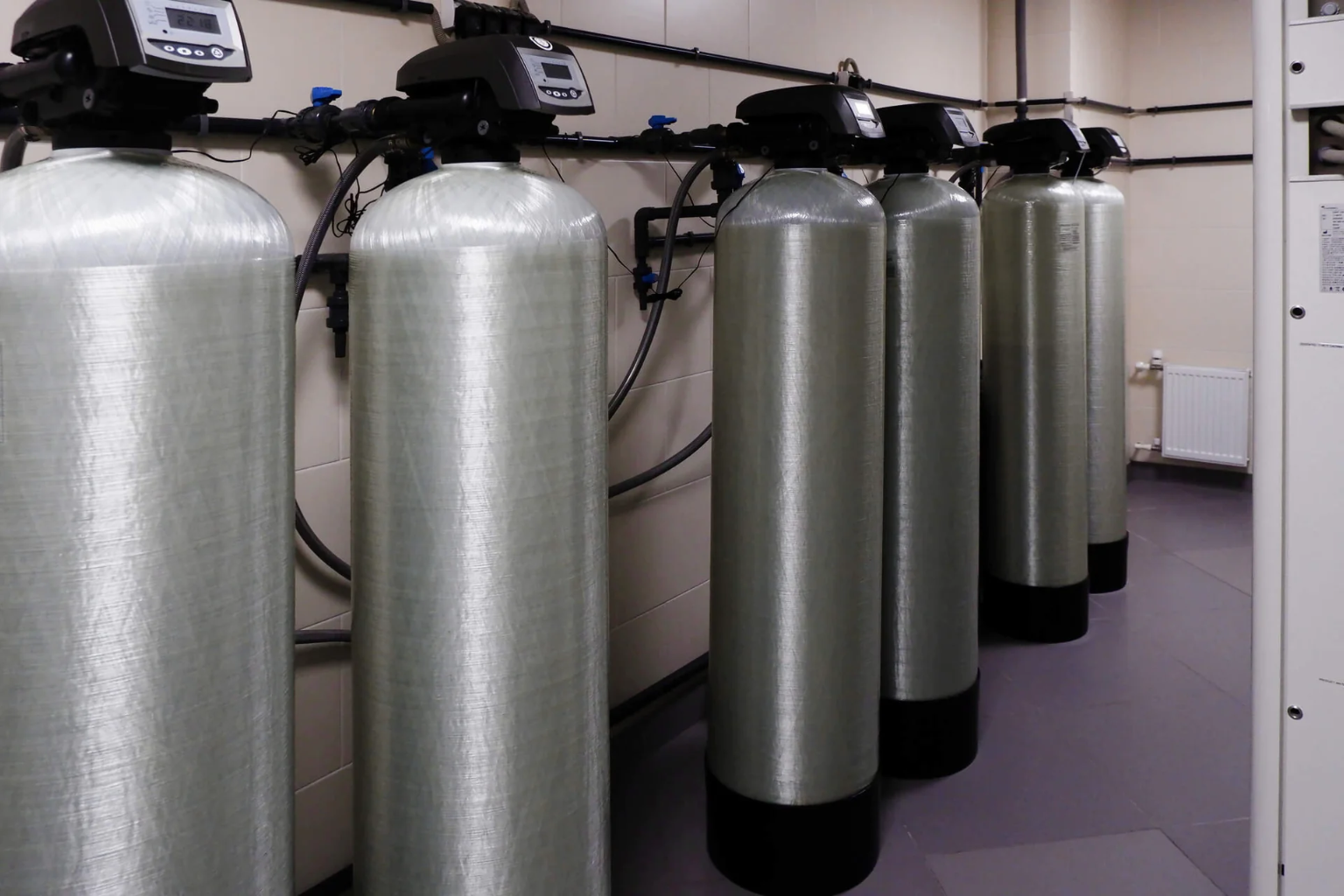
This is where things start to make more sense. Instead of focusing on individual fixes, you start exploring whole home treatment options—solutions designed to improve water quality at the point where it enters your house.
It’s a different mindset. You’re not just improving drinking water or shower water—you’re improving all of it. Every tap, every appliance, every drop.
And once you think about it that way, it feels more logical. After all, the water running through your washing machine is the same water you’re using in your kitchen. Why treat them differently?
Why Single Solutions Don’t Always Cut It
Here’s something people often discover along the way: water problems rarely come alone.
You might be dealing with hardness and chlorine at the same time. Or sediment along with an odd taste. Fixing one issue doesn’t automatically solve the others.
That’s why combining solutions has become more common. Systems that address multiple concerns at once tend to work better than trying to layer separate fixes over time.
It’s not about making things complicated—it’s about making them effective.
When Combining Systems Actually Makes Sense
At first, the idea of multiple treatments working together can sound like overkill. But when done right, it’s actually quite practical.
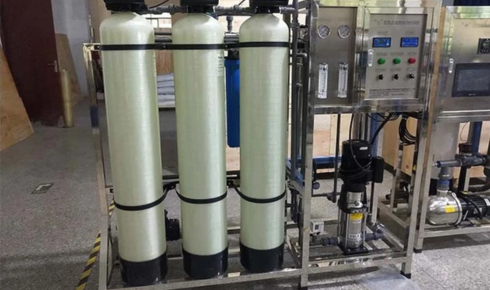
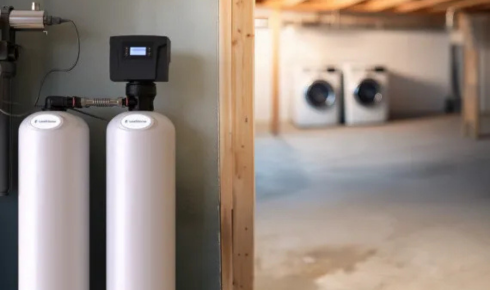
For example, setups involving filtration & softening combos allow you to tackle both chemical impurities and mineral hardness in one streamlined system. One part filters out unwanted substances. Another softens the water by reducing mineral content.
The result? Water that not only feels better but also behaves better across your entire home.
And importantly, it does this without requiring you to constantly manage different devices or processes. It just… works in the background.
The Subtle Changes You Start to Notice
What’s interesting is how these improvements show up in everyday life.
You don’t suddenly have a dramatic “before and after” moment. Instead, things gradually feel easier. Soap rinses off properly. Your laundry feels softer. Your dishes come out cleaner without extra effort.
Even your home itself starts to feel different. Less buildup on surfaces. Fewer cleaning headaches. Appliances running more efficiently without you having to think about it.
It’s not flashy. It’s functional. And that’s what makes it valuable.
Avoiding the Trap of Overengineering Your Setup
Now, it’s worth mentioning—more isn’t always better. It’s easy to get caught up in adding every possible feature or upgrade, thinking it’ll solve everything.
But water treatment isn’t about building the most complex system. It’s about building the right system.
Sometimes, a simple combination of treatments is enough. Other times, you might need something more comprehensive. The key is understanding your specific water conditions before making decisions.
Because when you get that balance right, everything else falls into place naturally.
Why Many Homeowners Delay the Upgrade
If all of this sounds practical, you might wonder why more people don’t address their water sooner.
The answer is simple: it’s not urgent. Water issues rarely demand immediate attention. They linger in the background, quietly affecting your daily life without causing obvious problems.
And so, people adapt. They clean a little more. Use more detergent. Replace appliances sooner than expected. It becomes part of the routine.
Until one day, it doesn’t feel worth tolerating anymore.
A More Comfortable Way to Live With Water
Once you make the shift to treating your home’s water as a whole system, something changes. Not dramatically, but consistently.
You stop adjusting your habits to work around water issues. Instead, your water starts supporting your routine the way it should have all along.
And that’s the real goal—not perfection, not luxury, but ease.
Final Thoughts: Thinking Beyond the Tap
Water is one of those things that quietly connects everything in your home. It’s easy to overlook because it’s always there, always flowing, always doing its job—until it isn’t.
Taking a step back and looking at the bigger picture can make all the difference. Not just in how your water performs, but in how your home feels overall.
Because in the end, it’s not about fixing a single tap or solving a single issue. It’s about creating a system that works, day in and day out, without asking much from you in return.
And once you have that, it’s hard to imagine going back.