water has a way of becoming part of the background. We use it to make tea, rinse vegetables, wash the dishes, and get ready for work without giving it much thought. Then one morning, the kettle has a chalky ring inside, the shower screen looks cloudy again, or a glass of tap water has a taste you can’t quite ignore. Suddenly, something so ordinary becomes a little frustrating.
These problems can have several causes, and the solution isn’t always the same. Some households deal with excessive hardness, while others notice sediment, unusual smells, or changes in taste. The best place to begin is by understanding what’s happening rather than buying the first filter that promises to fix everything.
What Hard Water Means for Your Home
Hard water contains dissolved minerals, mainly calcium and magnesium. These minerals occur naturally as water moves through soil and rock, and their concentration varies depending on the source. Hard water is common in many areas, and although it isn’t generally considered a health concern at typical household levels, it can affect everyday tasks.
You may notice that soap doesn’t lather as easily as expected. Towels can feel stiff after washing, and spots may remain on glasses even when the dishwasher has completed its cycle. Over time, scale can also collect around faucets, showerheads, and water-heating equipment.
The effects depend on how hard the water is, how much the household uses, and the condition of the plumbing. A home with moderately hard water may experience only occasional spots, while a property with higher mineral concentrations might need more frequent cleaning and maintenance.
Understanding the role of hard water minerals helps homeowners choose a sensible response. A water test can measure hardness and provide a useful starting point for deciding whether a softener or another approach is appropriate. It also prevents confusion between hardness and other water-quality concerns that require different treatment methods.
Why Mineral Deposits Keep Coming Back
Cleaning a faucet only to see white marks return a few days later can feel like a losing battle. These deposits often form when water evaporates and leaves dissolved minerals behind. The same process can affect shower glass, sink edges, kettle interiors, and other surfaces that regularly come into contact with water.
Inside plumbing and appliances, the issue can be more difficult to see. Scale may accumulate on heating elements or internal components, potentially reducing efficiency and increasing maintenance needs over time. The extent of the problem varies, so not every home with hard water will experience serious appliance damage.
Regular cleaning can help remove fresh deposits, but it doesn’t change the mineral content of the incoming water. That’s why the same marks may keep returning despite your best efforts. If the buildup is widespread, consider testing the water before deciding on treatment.
A conventional ion-exchange softener can reduce hardness by exchanging calcium and magnesium ions for sodium or potassium ions. This can help limit mineral buildup and make soap work more effectively. However, a softener isn’t a universal purifier. It doesn’t automatically remove bacteria, sediment, or every dissolved contaminant, so additional treatment should be considered only when the water conditions call for it.
When Water Has an Unpleasant Taste or Smell
Not every household water problem involves minerals. Sometimes the water looks clear but tastes strongly of chlorine, smells unusual, or seems different from one day to the next. These changes can be unpleasant, especially when you’re trying to encourage everyone at home to drink enough water.
Municipal suppliers commonly use chlorine or related disinfectants to control harmful microorganisms during treatment and distribution. Some people are more sensitive to the taste or smell than others. Activated carbon filtration can reduce certain tastes, odours, and selected compounds, depending on the design and performance of the filter.
For general taste and odor concerns, a suitable carbon filter may be worth considering. Check the manufacturer’s specifications and any relevant independent certifications to understand what the system is designed to reduce. A filter intended to improve taste shouldn’t be assumed to address unrelated health risks.
Sudden changes deserve a little more attention. If water develops an unusual colour, persistent odour, or an unfamiliar taste, contact your water supplier or a qualified plumbing professional as appropriate. If contamination is suspected, arrange suitable testing rather than relying on a taste-improving filter alone.
Choosing the Right Treatment Technology
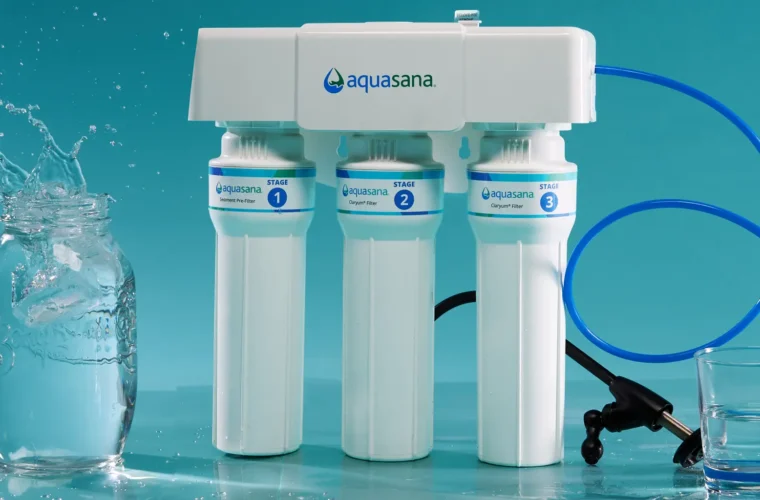
Water-treatment equipment is designed for specific purposes. A sediment filter captures suspended particles, certain carbon filters reduce selected compounds, and softeners address hardness minerals. Reverse osmosis systems can reduce many dissolved substances, depending on the membrane and the contaminants involved.
The first question should be where treatment is needed. If your main concern is drinking water at the kitchen sink, a point-of-use filter may be sufficient. If the problem affects several bathrooms and appliances, a whole-home system may deserve consideration.
Household size and water demand matter as well. A system should provide enough flow for normal use without creating a noticeable pressure drop. Think about how many people live in the property, whether showers and laundry appliances often run at the same time, and how much space is available for installation.
It’s also worth considering ongoing costs. Filters and membranes need replacement, softeners may require salt, and some systems need professional servicing. A product with a low purchase price can become expensive if its replacement cartridges are difficult to obtain or its maintenance requirements are more demanding than expected.
Testing Before Spending Money
Water testing can turn a vague concern into something more manageable. Depending on the source and the problem, a test may measure hardness, pH, iron, dissolved solids, bacteria, or particular contaminants. The right test depends on the question being investigated; a basic hardness check cannot establish that water is free from every health-related contaminant.
If you use municipal water, review the supplier’s published water-quality report and consider additional testing if you suspect an issue inside your home’s plumbing. Private well owners should follow local guidance for routine testing and select additional tests according to the property’s conditions.
A clear report should explain what was measured and provide results that can be compared with relevant standards. If the findings are difficult to interpret, ask the laboratory or a qualified water professional for an explanation before buying equipment.
Keep Your System Working as Intended
Even a well-chosen treatment system needs regular care. Replace cartridges according to the manufacturer’s instructions, check softener salt levels when applicable, and keep a record of service dates. Changes in water pressure, taste, or the return of scale can indicate that further attention is needed.
Don’t assume every change means the filter has failed. Plumbing repairs, changes in the incoming supply, or another issue may be responsible. If something seems unusual, investigate the cause rather than replacing equipment blindly.
Make Water Decisions With Confidence
Water problems can be annoying, but they don’t have to become complicated projects. Start with the symptoms, confirm the likely cause through appropriate testing, and compare treatment options designed for the results.
The most suitable system isn’t necessarily the biggest or most expensive one. It’s the option that addresses your home’s actual needs, fits your budget, and can be maintained without unnecessary hassle. With reliable information and a little routine care, you can make everyday water use more comfortable and avoid spending money on solutions that don’t solve the real problem.