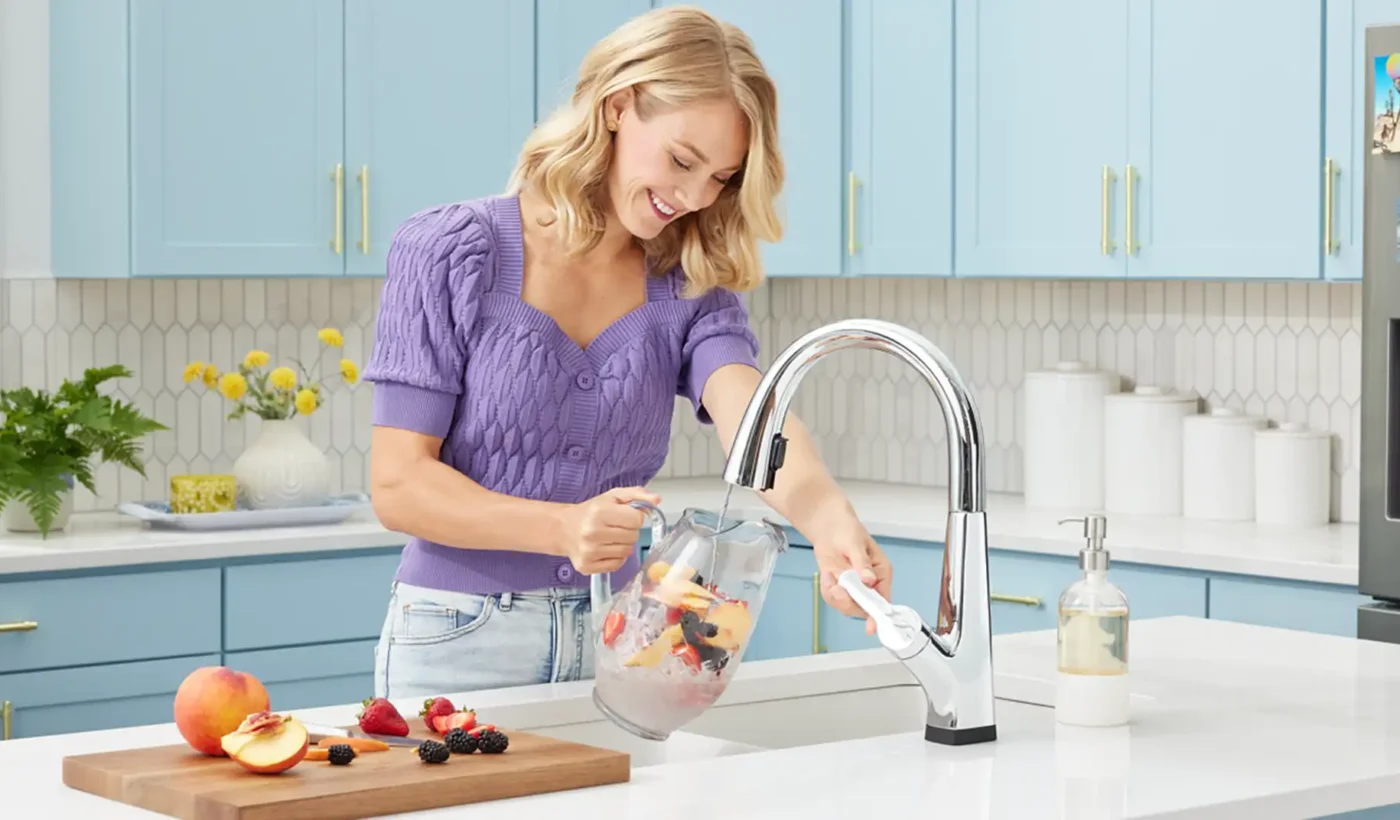
Most conversations about water quality begin with drinking water. That’s understandable, but think about how much water you use during the rest of your day. There’s the morning shower, the washing machine running in the afternoon, and the dishwasher cleaning up after dinner. Water is involved in nearly every household routine, and its quality deserves attention beyond the kitchen sink.
For homeowners across Moorhead, Fargo, and surrounding communities, whole-house water filters offer a practical way to address specific water quality concerns before incoming water reaches household fixtures and appliances.
Rather than managing separate filters at different faucets, centralized treatment allows homeowners to take a broader approach to improving their water supply.
Why Water Quality Matters in Every Room
Imagine stepping into a warm shower after spending an afternoon outside during a Minnesota winter. It’s supposed to be relaxing, but an unpleasant chlorine smell can make the experience considerably less enjoyable.
Then there are the smaller frustrations, like particles collecting inside faucet aerators or discolored water appearing in the laundry room.
Having better water throughout your entire home begins with identifying the substances responsible for these concerns and selecting treatment equipment that addresses them appropriately.
Depending on your water conditions, suitable filtration may help reduce suspended particles, unwanted odors, and certain other substances.
The benefits extend beyond what you notice when filling a drinking glass. They can influence several ordinary activities that make up your daily life.
Understanding How Centralized Water Filtration Works
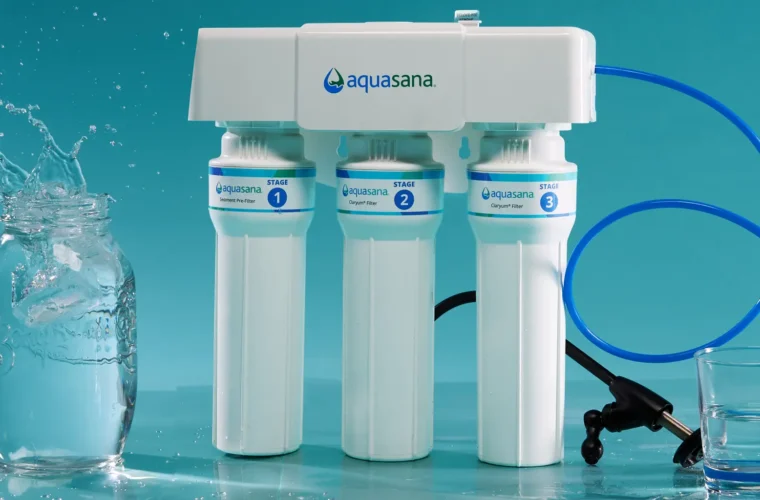
Unlike a filter pitcher or faucet-mounted device, centralized treatment equipment is connected near the property’s main water supply.
With whole-house water filtration, incoming water passes through suitable treatment media before traveling through designated household plumbing lines.
Sediment filters capture suspended materials such as sand, silt, and rust particles. Activated carbon can help reduce chlorine and certain substances associated with unpleasant tastes and odors.
Specialized filtration media may be necessary for more complex concerns, including excessive iron or manganese.
Some households benefit from combining several filtration stages, while others require only a straightforward system.
The important thing is choosing equipment that addresses actual water quality concerns rather than assuming that more filtration automatically means better results.
Getting to Know Your Water Before Investing in Equipment
It’s tempting to purchase a filtration system because someone you know has recommended it. However, their water supply might be quite different from yours.
Municipal water customers in Moorhead and Fargo can review their respective suppliers’ water quality reports. Homeowners relying on private wells should arrange appropriate laboratory testing.
Pay attention to where problems occur around your property, too.
If discoloration appears at only one faucet, the issue may originate within a particular section of plumbing. If several outlets experience similar problems, the incoming supply deserves closer investigation.
Understanding these differences can save considerable money and prevent unnecessary equipment purchases.
Sometimes, the most effective solution begins with asking a few simple questions.
Giving Household Appliances Some Extra Protection
Your washing machine, dishwasher, and water heater are among the more expensive pieces of equipment inside your home.
Suspended particles can accumulate inside appliance screens, valves, and small plumbing components. Appropriate sediment filtration helps reduce the amount of particulate material reaching these areas.
However, mineral scale requires a different treatment approach.
Conventional sediment and carbon filters don’t effectively remove dissolved calcium and magnesium, the minerals primarily responsible for water hardness.
If you’re constantly dealing with chalky deposits, an appropriately selected water softener may be necessary alongside filtration.
Understanding the distinction between these technologies helps homeowners protect their equipment without expecting one filter to solve every water-related problem.
Maintaining Comfortable Water Pressure Throughout the House
Nobody wants to invest in filtration equipment only to discover that taking a shower becomes frustrating whenever someone starts the washing machine.
Proper system sizing is essential for maintaining adequate water flow during busy household routines.
Consider how many bathrooms your property has, how frequently appliances operate simultaneously, and the available incoming water pressure.
Filter capacity and plumbing dimensions also deserve attention.
Before installation, discuss these practical details with a qualified treatment specialist.
It’s worth asking whether outdoor faucets need filtered water, too. Depending on your requirements, certain outlets may be left outside the treatment arrangement to avoid unnecessary filter usage.
Thoughtful planning can make the equipment much easier to live with over time.
Keeping Your Filtration System Reliable
A filtration system may work quietly in the background, but it shouldn’t be completely forgotten after installation.
Sediment cartridges gradually accumulate particles, while activated carbon media eventually reach their treatment capacity.
Follow manufacturer recommendations for inspections, replacements, and servicing. Unexpected pressure changes or recurring odors may indicate that the equipment needs attention.
Before purchasing a system, ask about replacement component availability and ongoing maintenance expenses.
Centralized carbon filtration can also reduce disinfectant residuals, making proper system sanitation and maintenance particularly important.
For households treating specific contaminants, appropriate follow-up testing helps verify that the equipment continues performing effectively.
A little preventive care is generally easier than dealing with unexpected water quality problems later.
A Practical Investment in Everyday Household Comfort
For homeowners throughout Minnesota and North Dakota, centralized filtration can make sense when it addresses genuine water quality concerns.
Start with reliable testing, select equipment that fits your property, and establish a maintenance routine you can comfortably follow.
The improvements may become noticeable through more pleasant showers, fewer suspended particles, and reduced unwanted odors around the house.
Water quality isn’t always the most exciting subject when planning home improvements. Still, considering how frequently you depend on your water supply, it’s certainly worth giving some attention.
A thoughtfully selected filtration system can quietly improve the experience of living in your home — not just at the kitchen faucet, but wherever your everyday routines take you.