There’s something deeply personal about water. We drink it, bathe in it, cook with it, and trust it to nourish our families without a second thought. But if you’ve ever turned on the tap only to be greeted by murky water, odd smells, or stubborn limescale crusting your faucet like it’s building a home of its own — well, then you know water can sometimes bring more stress than comfort.
Truth is, clean water doesn’t just “happen.” It takes intention. And a little bit of science. The good kind, not the over-your-head kind. Let’s dig into why your water might not be as clean or safe as it should be — and the simple, effective solutions that actually work.
The Water Isn’t the Same Everywhere (And That’s Okay)
First off, your water is unique. Whether it comes from a private well or a municipal line, it’s traveling through pipes, soil, and sometimes old systems before it reaches your glass. Along the way, it might pick up all kinds of uninvited guests — bacteria, heavy metals, minerals, chlorine, even random sediment.
That’s why there’s no one-size-fits-all fix. And it’s also why you’ve probably heard neighbors rave about a system that didn’t do a thing for your house. Your water’s story is its own. So let’s talk about three of the most trusted ways to protect it.
When Water Safety Is Non-Negotiable: UV to the Rescue
Let’s say your water tests came back showing bacterial contamination — E. coli, coliforms, or maybe you’re just worried because you’re using well water and there’s always that “what if” question lingering in the back of your mind.
This is where uv purification shines (pun intended). UV systems are sleek, no-nonsense setups that use ultraviolet light to neutralize harmful microorganisms — without adding chemicals or changing the taste of your water.
There’s something oddly comforting about the idea of light quietly doing its job every time water flows. No flavor changes. No byproducts. Just peace of mind. If you’re dealing with microbial contamination or simply want that extra layer of defense, this is a solid choice.
The Gold Standard: RO Isn’t Just a Trend
You’ve probably heard people toss around the term “RO system” like it’s a badge of honor. And honestly? It kind of is.
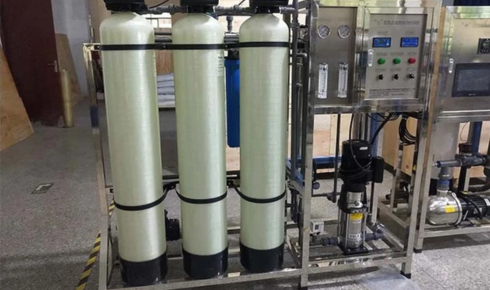
Reverse osmosis systems are known for their ability to strip water down to its purest form. We’re talking about a multi-stage filtration process that removes heavy metals, nitrates, arsenic, chlorine, fluoride, and more. It’s like sending your water to a luxury spa and only letting it return when it’s spotless.
But here’s the thing they don’t always tell you: RO systems can be a little wasteful and they strip out everything — even some beneficial minerals. That’s not a dealbreaker, but it does mean you’ll want to look for systems that remineralize the water before it hits your glass.
Used correctly, reverse osmosis is a powerhouse. Especially if you’re looking for pristine drinking and cooking water. Just don’t expect it to solve every water issue in your home — it’s a specialist, not a generalist.
Fighting the Mineral Battle: The Well Water Edition
Ah, the joys of owning a well. No monthly water bill, total independence… and the occasional battle with iron stains, sulfur smells, and crusty showerheads. It’s the price of freedom, right?
Luckily, there’s help. A water softener for well systems isn’t just a luxury — it’s practically a necessity in areas where hard water rules the roost. These systems work by swapping out hardness-causing minerals like calcium and magnesium for sodium or potassium. The result? Water that actually lathers, appliances that last longer, and showers that don’t leave you feeling like you bathed in mineral soup.
Here’s the kicker though — not all softeners are created equal. Some are better at handling iron, others focus on efficiency, and a few do a decent job at both. Test your water first, then match your softener to the problem, not the brand.
It’s Not About Filters — It’s About Feeling at Home
When you strip all the jargon away, what people want from their water systems isn’t just technical performance. They want to feel good about what’s flowing through their pipes. To drink without worry. To cook with pride. To bathe without checking for rashes later.
These systems — UV, RO, softeners — they’re not just mechanical fixes. They’re tools for reclaiming that peace of mind.
It’s the comfort of knowing your kids are drinking clean water. The freedom to make ice cubes without checking them twice. The joy of appliances that last years longer because they’re not battling scale buildup every day.
Real Talk: It’s an Investment — But It’s Worth Every Drop
Sure, quality water systems come with upfront costs. And yes, you’ll need to replace filters, check flow rates, maybe even learn a little plumbing lingo along the way. But the long-term value? Massive.
You protect your health. Your home. Your wallet. And maybe — just maybe — you get to stop apologizing to guests about “that weird water thing” when they visit.
If that’s not worth it, I don’t know what is.
Final Thoughts: Own Your Water Story
Your water deserves more than a passing glance. It deserves attention, intention, and a little bit of tech wizardry when needed.
With the powerful trio of uv purification, reverse osmosis, and the right water softener for well setups, you’re not just filtering water — you’re reclaiming control, one glass at a time.