Commercial buildings depend on reliable electricity for lighting, computers, HVAC equipment, security systems, machinery, and communication technology. As businesses adopt more connected equipment and energy-intensive systems, electrical infrastructure needs to keep pace. An outdated or overloaded system can affect productivity, increase safety risks, and create unexpected interruptions.
Unplanned electrical downtime can interrupt business operations, damage sensitive equipment, and create problems during commercial fit-outs or inspections. Working with commercial electricians in Riverside, CA helps business owners evaluate electrical capacity, plan upgrades, and address code and safety requirements before these issues disrupt operations. Professional electrical planning is especially important when a property is being remodeled, adding new equipment, expanding operations, or preparing for technology upgrades.
Common Electrical Challenges for Riverside Businesses
Commercial electrical systems experience significantly different demands than residential systems. Offices, retail spaces, warehouses, restaurants, and industrial facilities each have unique power requirements. Larger commercial properties may use three-phase power, 277-volt or 480-volt distribution, switchgear, and dedicated equipment circuits to support lighting, HVAC systems, machinery, and other substantial electrical loads. Load studies can help determine whether existing electrical infrastructure can safely support current and planned demand.
Some common warning signs include:
A. Frequently tripped circuit breakers
B. Flickering or inconsistent lighting
C. Warm electrical panels or outlets
D. Burning odors near electrical equipment
E. Buzzing from switches or fixtures
F. Insufficient outlets for business equipment
G. Unexpected equipment shutdowns
Repeated electrical problems should not be treated as minor inconveniences. They often indicate overloaded circuits, deteriorating components, poor connections, or insufficient electrical capacity.
Planning Electrical Capacity Before Expansion
Business expansion often brings additional computers, refrigeration equipment, machinery, lighting, charging stations, and other electrical loads. Adding equipment without reviewing available capacity creates unnecessary strain on the existing system.
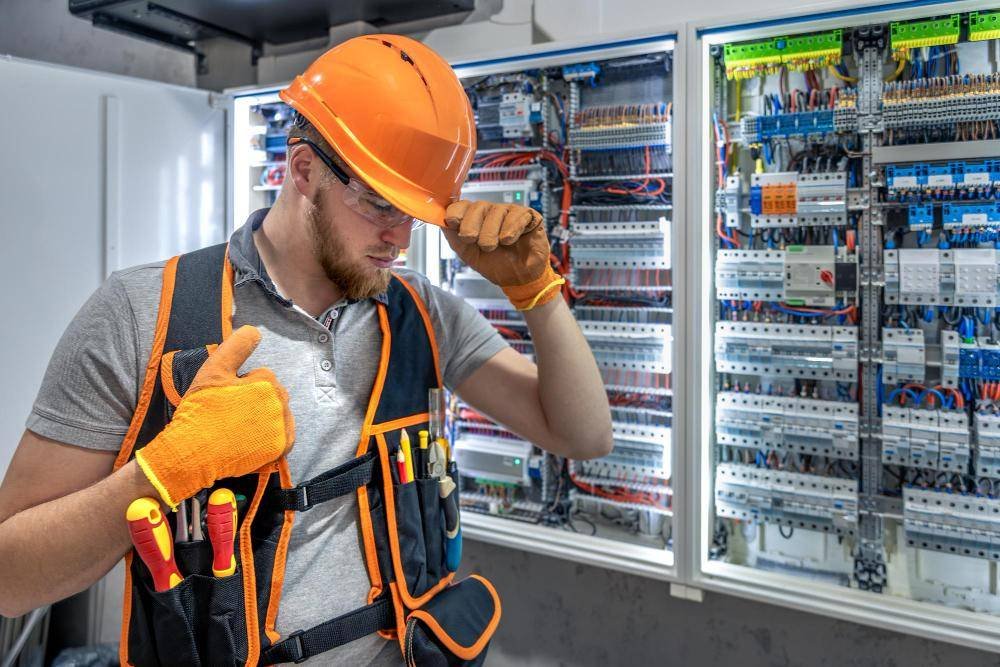
A commercial electrical assessment helps determine whether the building’s panel, circuits, wiring, and distribution equipment are appropriate for the planned load. Depending on the property’s requirements, upgrades could include new circuits, panel improvements, dedicated equipment circuits, updated distribution components, or switchgear modifications. A load study can also help identify whether the existing three-phase distribution system has sufficient capacity for planned equipment.
Planning these changes before construction begins also helps reduce costly modifications during a remodel.
Supporting Energy-Efficient Commercial Buildings
Energy efficiency is becoming an important consideration for Riverside businesses seeking to control operating expenses. Commercial properties may also face demand-related electricity costs, making electrical load management an important part of controlling energy expenses. Electrical improvements provide several opportunities to reduce unnecessary energy consumption without compromising daily operations.
LED lighting is one practical example. Replacing inefficient lighting with properly designed LED systems reduces energy use and often lowers maintenance requirements because LED fixtures typically have long service lives.
Businesses can also consider occupancy sensors, programmable controls, and automated lighting systems. These technologies help ensure lighting operates when and where it is actually needed. California’s current Title 24, Part 6 energy standards include requirements for nonresidential lighting controls, including occupant-sensing and automatic shutoff controls in applicable applications.
Preparing for Smart Technology and EV Charging
Modern commercial properties increasingly use connected systems for security, access control, lighting, energy management, and building automation. These technologies require dependable electrical infrastructure and thoughtful circuit planning.
Electric vehicle charging is another consideration for commercial property owners. Installing charging equipment requires an evaluation of electrical capacity, circuit requirements, equipment location, and appropriate protection.
Planning these installations alongside other electrical upgrades helps businesses avoid unnecessary strain on existing infrastructure.
Why Preventive Electrical Maintenance Matters
Waiting for an electrical failure is rarely an effective maintenance strategy for a commercial property. Scheduled inspections help identify loose connections, damaged components, deteriorating wiring, overloaded circuits, and other developing issues.
Thermal imaging inspections can help identify abnormal heat patterns in electrical panels and connections before they become more serious problems. Commercial maintenance may also include reviewing arc-flash hazards and maintaining appropriate electrical safety information for equipment and personnel.
A practical maintenance program should consider:
A. Electrical panels and distribution equipment
B. Lighting fixtures and controls
C. Outlets and switches
D. Emergency and exit lighting
E. Equipment connections
F. Circuit performance
Emergency and exit lighting should also be inspected and tested according to applicable building, fire, and safety requirements rather than being treated as ordinary lighting maintenance.
Keeping accurate records of electrical repairs and upgrades also makes future troubleshooting and planning easier.
What to Check When Choosing a Commercial Electrician
business owners should evaluate more than technical experience when selecting an electrical contractor. In California, commercial electrical work should be performed by appropriately licensed contractors; the CSLB identifies C-10 as the Electrical Contractor classification.
Businesses can also ask whether a contractor maintains the required bonding and insurance coverage, handles permits and inspection scheduling, and can perform certain work during evenings or other off-hours to help reduce operational downtime. California contractor licensing also involves specific bond and insurance requirements administered by the CSLB.
Commercial Electrical Services in Riverside, CA
Reliable electrical infrastructure supports nearly every aspect of business operations in Riverside, CA. From capacity planning and energy-efficient lighting to smart building technology and EV charging, modern electrical improvements should be approached with safety and long-term performance in mind.
If your Riverside commercial property is experiencing electrical problems or preparing for an expansion, renovation, or technology upgrade, arrange a professional electrical assessment. Addressing electrical needs early helps protect equipment, support employees, and keep your business operating efficiently.