When people think about what makes a business run smoothly, they usually picture visible elements—efficient staff, reliable equipment, or strong customer service. Rarely does anyone stop and think about water.
And yet, water flows through almost every commercial operation. It supports sanitation, product quality, machinery performance, and even customer comfort. It’s there in kitchens, restrooms, manufacturing lines, cooling systems, and cleaning routines.
Most of the time, it’s invisible. But when water quality isn’t consistent, its impact becomes impossible to ignore.
Why Water Plays a Bigger Role Than Businesses Realize
Water isn’t just a utility—it’s a foundational part of daily operations.
Restaurants rely on it for food preparation and dishwashing. Hotels depend on it to maintain guest satisfaction. Manufacturing facilities use it in processing and cooling systems. Healthcare environments require it for sanitation and safety.
Even office spaces need reliable water for HVAC systems and daily employee needs.
Because it supports so many functions simultaneously, any change in water quality can ripple across multiple aspects of business operations.
The Hidden Costs of Poor Water Quality
When water contains excessive minerals, sediment, or impurities, problems often develop gradually.
Scale buildup can reduce equipment efficiency, increasing energy consumption and maintenance needs. Sediment can clog pipes and valves. Impurities may affect taste, impacting customer perception in food and beverage industries.
These issues rarely appear suddenly. Instead, they accumulate quietly over time—until they begin affecting productivity and profitability.
Addressing water quality early helps businesses avoid these hidden costs.
Why Businesses Need Specialized Treatment Systems
Unlike residential environments, commercial settings often require higher water volumes and consistent quality under heavy usage conditions.
This is where water treatment for businesses becomes essential.
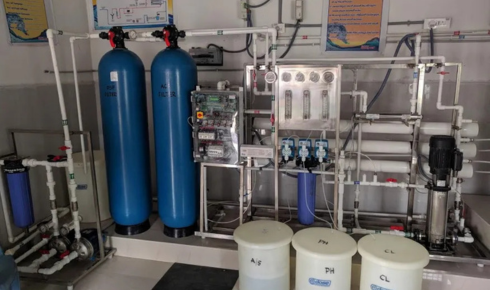
Commercial treatment systems are designed to handle large-scale demand while maintaining stable performance. They treat water at the source, ensuring consistent quality across entire facilities.
From filtration to softening technologies, these systems provide reliable solutions tailored to operational needs.
The Importance of Tailored Water Solutions
Every business operates under unique conditions. Factors like location, industry type, water source, and usage patterns all influence treatment requirements.
A one-size-fits-all approach rarely delivers optimal results.
That’s why many organizations rely on customized water solutions designed specifically for their operational environment.
These tailored systems address precise challenges—whether managing mineral content, removing contaminants, or optimizing efficiency for specialized equipment.
Customization ensures treatment systems provide maximum effectiveness without unnecessary complexity.
How Water Quality Impacts Customer Experience
In customer-facing industries, water quality directly influences perception.
Restaurants serving beverages made with untreated water may struggle with taste consistency. Hotels with mineral-heavy water may receive complaints about shower comfort or laundry quality.
Clean, balanced water helps create positive experiences that customers often notice—even if they can’t pinpoint the reason.
It’s one of those subtle factors that quietly shapes satisfaction.
Supporting Equipment Longevity and Efficiency
Water treatment systems don’t just improve quality—they also protect expensive equipment.
Scale buildup caused by mineral-rich water can shorten the lifespan of boilers, dishwashers, cooling systems, and industrial machinery.
Proper treatment reduces this buildup, allowing equipment to operate efficiently and require less frequent maintenance.
Over time, these improvements contribute to significant cost savings.
The Emotional Comfort of Reliable Water
Beyond technical benefits, consistent water quality provides peace of mind.
Business owners and managers can focus on operations without worrying about unexpected water-related disruptions.
Employees experience smoother workflows, and customers enjoy consistent service quality.
Reliable water creates a quiet sense of operational stability.
Long-Term Financial Advantages of Water Treatment
Investing in water treatment solutions often results in long-term financial benefits.
Reduced maintenance costs, lower energy consumption, and extended equipment lifespan all contribute to operational savings.
Additionally, consistent water quality supports product reliability and customer satisfaction, strengthening overall business performance.
These advantages often outweigh the initial investment in treatment systems.
Why Clean Water Supports Sustainable Practices
Modern businesses increasingly prioritize environmental responsibility.
Maintaining clean water systems supports sustainability goals by reducing waste, improving efficiency, and minimizing chemical usage.
Efficient water treatment helps organizations operate responsibly while meeting regulatory standards.
This commitment to sustainability also enhances brand reputation among environmentally conscious customers.
Choosing the Right Water Treatment Approach
Selecting effective water treatment solutions begins with understanding specific water conditions.
Professional testing can identify impurities, mineral content, and usage requirements.
From there, businesses can implement tailored systems designed to address their unique challenges.
Proper installation and ongoing maintenance ensure consistent performance and long-term reliability.
A Quiet Foundation for Business Success
Water may not be the most visible element of business operations, but it quietly supports nearly every function.
Its quality influences efficiency, equipment performance, customer satisfaction, and operational stability.
Investing in proper water treatment systems strengthens this foundation, allowing businesses to run smoothly and consistently.