There’s something easy to overlook about water—it’s always there. You turn on the tap, it flows. You don’t question it much. Most of us don’t, at least not until something feels slightly off. Maybe your tea tastes dull. Maybe your shower leaves your skin a bit dry. Nothing serious… just enough to make you pause for a second longer than usual.
And that pause? That’s where things begin.
When “Normal” Stops Feeling Quite Right
We grow up assuming the water in our homes is just… fine. Not perfect, not terrible, just acceptable. But over time, small inconsistencies start to stand out.
You notice your bathroom fixtures losing their shine faster than they should. Your kettle builds up that familiar white crust. Soap doesn’t quite behave the way you expect.
These aren’t emergencies. They’re more like quiet nudges, reminding you that water isn’t just water—it carries characteristics, and those characteristics affect your daily life more than you realize.
That’s where the idea of home water improvement starts to feel less like an upgrade and more like a thoughtful adjustment.
The Hidden Impact of Minerals in Everyday Life
If there’s one thing that surprises people, it’s how much minerals in water can influence daily routines.
Calcium and magnesium—two of the usual suspects—aren’t harmful. In fact, they’re naturally present in many water sources. But when their levels are high, they create what we call “hard water.”
And hard water has a personality.
It leaves behind residue. It makes cleaning more effort than it needs to be. It affects how detergents perform. Over time, it even takes a toll on your appliances.
That’s why focusing on hard mineral reduction isn’t about eliminating something dangerous—it’s about smoothing out the rough edges of everyday living.
Because when those minerals are balanced, things just… work better.
It’s Not Always About Filtration
When people first think about improving water, they often jump straight to filtration systems. And yes, those can be important.
But improvement doesn’t always mean removing everything. Sometimes, it’s about adjusting.
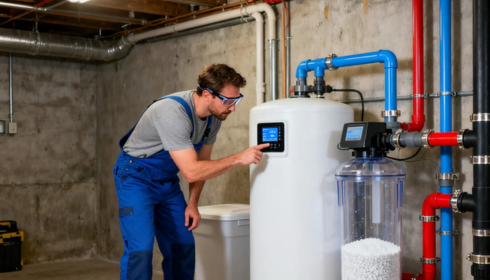
That’s where water conditioning comes into the picture. Instead of stripping water down completely, it changes how minerals behave—so they don’t cling to surfaces or build up inside pipes and appliances.
It’s a subtle approach, but an effective one.
And for many homes, it’s exactly what’s needed—not a complete overhaul, just a smarter way of managing what’s already there.
The Changes You Don’t Expect (But Appreciate Anyway)
What’s interesting about improving your water is that the benefits don’t arrive all at once. They show up gradually, in ways that feel almost incidental.
Your shower feels a bit more refreshing. Your dishes come out cleaner. You stop noticing that stubborn film on your sink or glassware.
Even your laundry starts to feel different—softer, easier to manage.
These aren’t dramatic transformations. They’re quiet improvements. But they add up, day after day, until your home feels just a little more comfortable.
Understanding Before Acting
One of the best things you can do before making any changes is simply understand your water.
A basic test can reveal a lot—hardness levels, mineral content, even things you wouldn’t have thought to check. And once you have that information, decisions become easier.
You’re not guessing anymore. You’re responding to something real.
And that’s important, because no two homes have exactly the same water. What works for one household might not be the right fit for another.
Keeping It Simple (Because It Should Be)
There’s a tendency to overcomplicate things when it comes to water systems. Technical terms, multiple options, conflicting advice—it can feel overwhelming.
But it doesn’t have to be.
In many cases, the best solutions are the ones that fit seamlessly into your routine. They don’t demand attention. They don’t require constant adjustments.
They just do their job.
And once they’re in place, you almost forget they’re there—which, honestly, is exactly how it should be.
A Different Kind of Comfort at Home
We often think of comfort in terms of big things—furniture, lighting, temperature. But water plays a role too, even if it’s less obvious.
It’s in your morning routine. Your cooking. Your cleaning. Your moments of relaxation.
When your water quality improves, even slightly, it touches all of those areas. Not in a flashy way, but in a steady, reliable one.
And over time, that consistency becomes something you value more than you expected.
So, Is It Worth Paying Attention To?
That depends on how you see your home.
If it’s just a place to live, maybe it doesn’t matter much. But if it’s a space you care about—something you’re actively trying to improve and maintain—then water becomes part of that equation.
Not the most obvious part, but an important one.
Because in the end, improving your water isn’t about chasing perfection. It’s about removing small, everyday inconveniences that quietly affect your life.
And sometimes, those are the changes that matter most—the ones you don’t notice right away, but wouldn’t want to live without once they’re there.