Most of us don’t think about water until something feels slightly… off.
Not a big issue. Nothing urgent. Just small, nagging signs. Glasses that look cloudy no matter how well you rinse them. A shower that leaves your skin feeling dry instead of refreshed. A sink that never quite looks clean, even right after you’ve wiped it down.
It’s easy to ignore these things because they don’t interrupt your day in a major way. But over time, they quietly become part of your routine. You adapt without realizing it.
And that’s where things get interesting—because once those little problems are gone, you suddenly notice how much they mattered.
Why Water Isn’t Always as “Clean” as It Looks
Water can be clear and still carry things you’d rather not deal with. Minerals, sediment, chlorine… none of it always shows up in obvious ways. Sometimes it’s about taste, sometimes smell, and sometimes just how water behaves.
For example, you might notice that your tap water doesn’t quite sparkle in a glass. It looks a bit dull, maybe slightly hazy depending on the lighting. That’s often a sign of suspended particles or dissolved elements doing their thing.
When homeowners start looking for ways to improve water clarity, it’s rarely about aesthetics alone. It’s about trust. Clearer water just feels better to use—whether you’re drinking it, cooking with it, or filling a kettle first thing in the morning.
It’s a subtle shift, but it changes your perception of something you use every single day.
The Hidden Impact on Your Home
Here’s the part people don’t always think about—water doesn’t just affect what you see. It affects what you don’t see, too.
Inside your plumbing, minerals can slowly build up along pipe walls. Not overnight, but gradually. Over months, years. It’s like a quiet accumulation that narrows flow, reduces efficiency, and makes your systems work harder than they should.
Taking steps to protect plumbing isn’t just about avoiding big repairs. It’s about preserving the health of your home over time. Water heaters, dishwashers, washing machines—they all rely on clean, balanced water to function properly.
When that balance is off, wear and tear speeds up in ways you might not notice until something breaks.
And by then, it’s usually more expensive than it needed to be.
The Everyday Frustration of Soap That Doesn’t Work
Let’s talk about something more immediate—soap.
If you’ve ever felt like your shampoo doesn’t lather properly or your dishes still feel slightly greasy after washing, you’re not imagining it. Hard water interferes with soap, making it less effective.
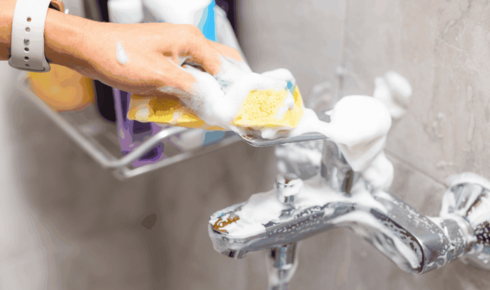
That’s why so many people look for ways to decrease soap scum. It’s not just about cleaning surfaces—it’s about restoring how cleaning is supposed to feel.
When water is balanced, soap behaves differently. It lathers easily, rinses cleanly, and doesn’t leave behind that stubborn film on tiles, sinks, and glass.
And honestly, once you experience that difference, it’s hard to go back.
It’s Not About Perfection—It’s About Consistency
One of the biggest misconceptions about water improvement is that it’s about achieving some kind of perfect, lab-grade purity.
It’s not.
It’s about consistency. Knowing that the water you use today will feel the same tomorrow. That your shower will leave your skin comfortable, not dry. That your dishes will come out clean without extra effort.
It’s less about chasing perfection and more about removing unpredictability.
Because when water is consistent, everything else becomes easier.
Small Changes That Add Up Over Time
What’s interesting is how these improvements don’t hit you all at once.
You might notice your kitchen sink staying cleaner longer. Or your laundry feeling softer without changing anything else. Maybe your morning coffee tastes just a bit better, though you can’t quite explain why.
These are small wins. Easy to overlook individually. But together, they create a noticeable shift in how your home feels.
And over time, those small wins become your new normal.
Maintenance Isn’t as Complicated as It Sounds
A lot of people hesitate because they assume improving water quality means adding another complicated system to manage.
But most solutions today are designed to be simple. Low-maintenance. Something you set up once and check on occasionally.
It’s not something that demands your attention every day. More like a quiet upgrade that does its job in the background.
And once it’s in place, you stop thinking about it—which, in a way, is the goal.
A Better Experience, Without the Noise
The thing about better water is that it doesn’t announce itself.
It doesn’t come with dramatic before-and-after moments or big, flashy changes. Instead, it works quietly, improving the little things you interact with every day.
Cleaner surfaces. Softer fabrics. Better-performing appliances. Water that looks and feels the way it should.
It’s not exciting. It’s just… right.
When You Finally Notice the Difference
Here’s the part people don’t expect.
After you’ve lived with better water for a while, you stop noticing it. It becomes normal. Comfortable. Easy.
But then, if you go somewhere else—a hotel, a friend’s house—you notice the difference immediately. The dryness, the spots, the way soap behaves differently.
And that’s when it clicks.
Those small problems you used to live with? They were never really “normal.” You just got used to them.
In the end, improving your water isn’t about making a big change. It’s about removing the little frustrations that quietly shape your day.
And once they’re gone, you don’t miss them at all.