





I’ll never forget the first time I noticed that something wasn’t quite right with the water flowing from our kitchen tap. It looked a little off—cloudy, a bit yellow—and it had this faint metallic tang. We lived in a cozy countryside home that drew water straight from a well, and while that sounds romantic and rustic, the reality wasn’t always picture-perfect.
Turns out, dealing with well water filtration is a journey in itself—one that teaches you more about what’s in your water than you probably ever wanted to know.
The Not-So-Invisible Problem
Well water is raw. Untreated. It’s got character—sometimes too much. Because it’s pulled directly from the ground, it’s vulnerable to everything around it: runoff from nearby farms, decaying leaves, iron-rich soil, even bacteria. And if your house relies on it, you’re pretty much the water treatment plant.
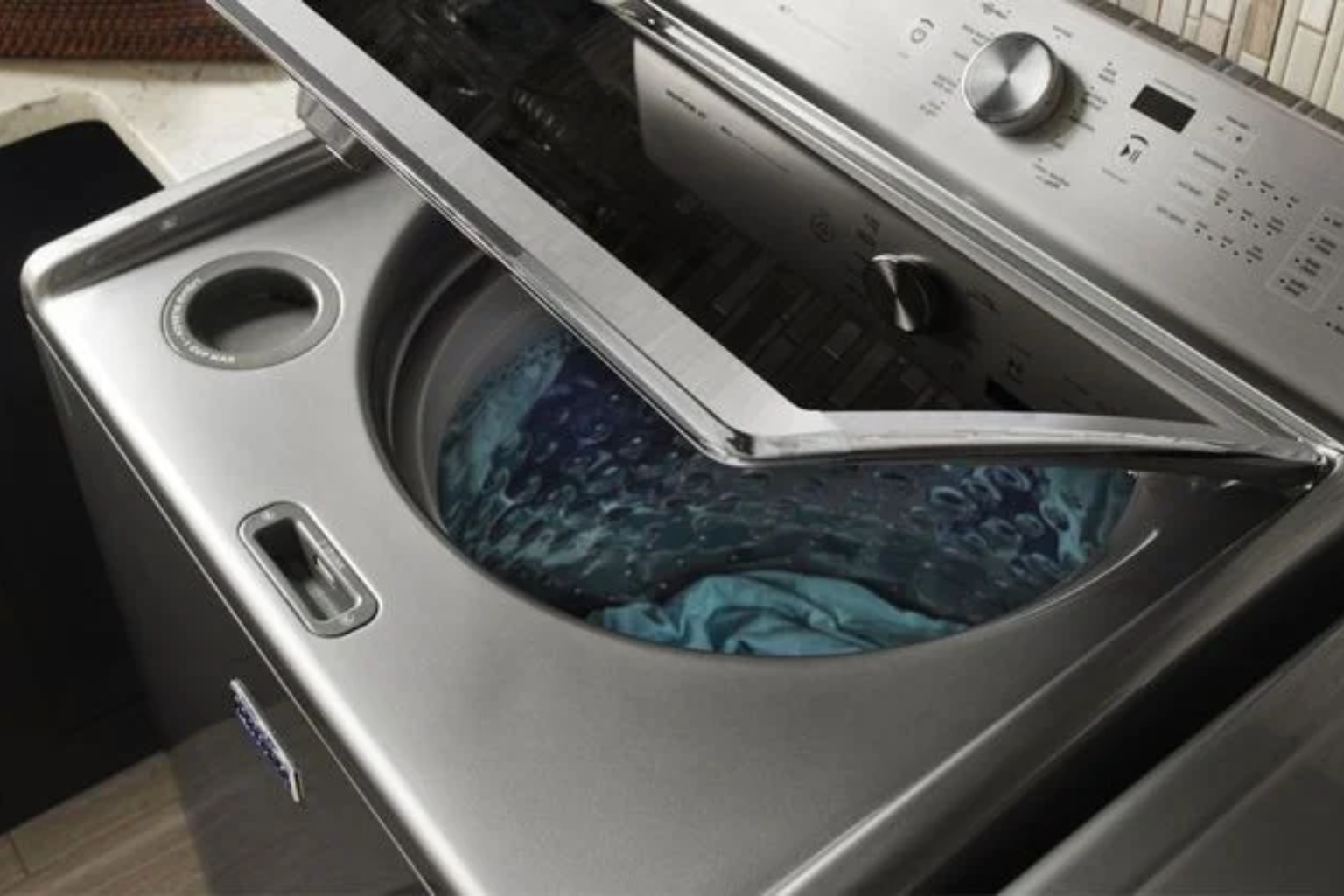
It wasn’t long before we realized just how important a good filtration system is. Not only to protect our appliances (hello, stained laundry and clogged showerheads), but also for peace of mind. You’d think all water is created equal, but nope—it’s a bit like saying all wine tastes the same.
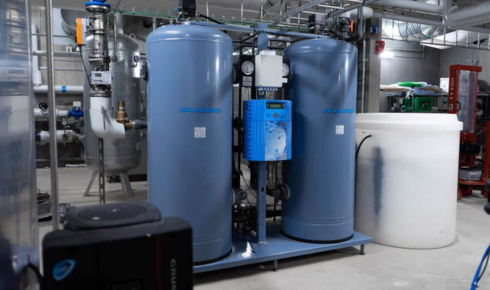
A solid well water filtration setup isn’t a luxury anymore; it’s a necessity. It’s your first line of defense against invisible, taste-altering, pipe-damaging elements.
Grit Happens: Dealing with the Dirt in Your Glass
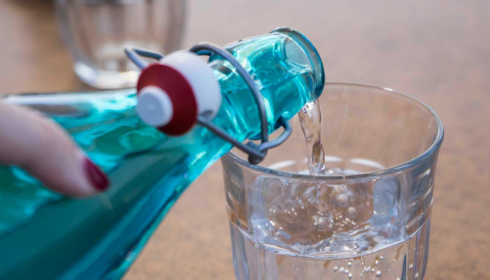
One of the earliest signs that we had a sediment problem was watching tiny particles swirl around in the bottom of a glass of water. It looked like glitter. Not the fun kind.
The thing about sediment removal is that it’s not just about looks. Sure, it’s gross to see stuff floating around in your cup, but sediment also wears down your plumbing and water-using appliances over time. Think of it like sandpaper running through your pipes. That stuff adds up—literally.
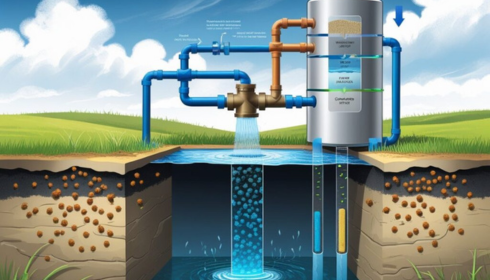
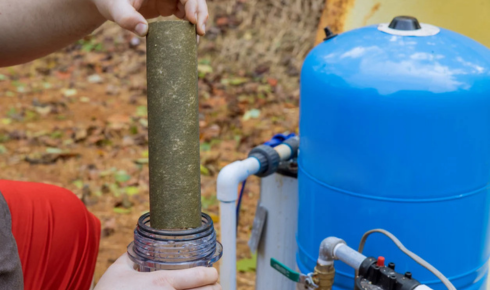
So, we invested in a sediment pre-filter. Just a basic spin-down or cartridge system can make a world of difference. Suddenly, our dishwasher wasn’t acting up, and our faucets weren’t coughing every time we turned them on.
And the best part? We weren’t unknowingly drinking dirt anymore. Highly recommend.
The Chlorine Catch: When “Clean” Doesn’t Taste That Way
Here’s the funny part. After we installed a new filtration system and decided to shock our well with chlorine (a common disinfection practice), we were left with sparkling-clear water… that tasted like a swimming pool.
It was clean, technically. But yuck.
Turns out, getting rid of that aftertaste requires a whole different approach. Activated carbon filters are the MVPs when it comes to chlorine taste elimination. These filters trap the chemical residues that make your water smell and taste funky.
Once we added a carbon block filter, it was like night and day. The water finally tasted like—well, nothing. Which, ironically, is exactly how good water should taste.
Why It’s All Worth It
Now, every home’s water profile is a bit different, especially if you’re on a private well. Some people deal with sulfur (rotten egg smell), others with high iron (hello orange toilet stains), and some, like us, deal with a little bit of everything.
Getting a water test was our lightbulb moment. It helped us understand what exactly we were dealing with so we could piece together a filtration setup that wasn’t overkill—but wasn’t useless, either.
Here’s what we learned:
- You don’t need a $3,000 system right out of the gate.
- Start with your biggest pain point (like sediment or chlorine).
- Stack solutions: pre-filter, carbon filter, softener if needed.
- Maintain them. Filters don’t work forever.
- Water testing = clarity (literally and metaphorically).
What Nobody Tells You
We’re sold so many fancy products these days that it’s easy to get overwhelmed. There’s a filter for this, a tank for that, a gadget for everything in between.
But nobody tells you that sometimes, the best solution is just listening to your water. How does it feel? Smell? Taste? What’s it doing to your shower walls, your sinks, your skin?
You don’t need a lab coat to figure out when something’s off.
If your dishes have residue, your laundry is stiff, or you’re spending more time scrubbing the tub than soaking in it, that’s your sign. Don’t wait for the day when your pipes clog or your family refuses to drink from the tap.
Small Fixes, Big Impact
What surprised me most was how much the little things helped. A sediment filter that cost less than a dinner out completely fixed our flow issues. A carbon filter restored our trust in drinking from the tap. Just paying attention and doing the basics can go a long way.
Plus, it’s oddly satisfying to know your water. To understand it. You stop taking it for granted. You start appreciating that you’ve taken control of something so vital, so every day, yet so often overlooked.
Final Thoughts: Own Your Water
There’s something incredibly grounding about reclaiming your water. About turning on the faucet and knowing what’s coming out. About not second-guessing every sip or rinse or load of laundry.
Whether you’re tackling a new well system or finally addressing that weird taste or rusty smell you’ve been ignoring for years—just start somewhere.
Test your water. Learn its quirks. Don’t let complexity or jargon scare you off. Most of the solutions are more affordable, accessible, and DIY-friendly than you might think.
And trust me: once your water’s right, everything else starts to feel a little clearer, too.