A roof protects your home from rain, snow, wind, sunlight, and changing temperatures. In Harrisburg, PA, seasonal weather puts roofing materials through repeated cycles of moisture, freezing, thawing, and temperature changes. Small problems often begin around shingles, flashing, vents, and roof edges before becoming larger concerns. Understanding common warning signs helps you address damage before it affects other parts of your home.
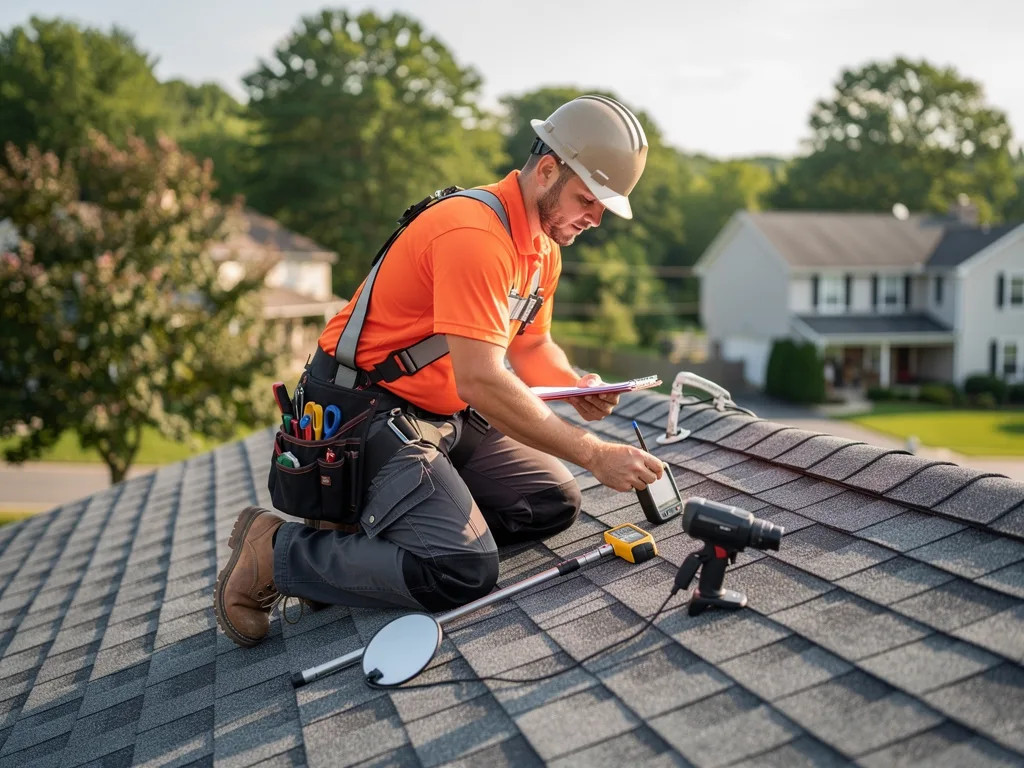
When you notice missing shingles, water stains, or damaged flashing, timely roofing repair in Harrisburg, PA helps protect the structure beneath your roof. A professional inspection identifies the source of the problem rather than focusing only on visible damage. This approach is especially useful when a leak appears inside the home but the actual entry point is somewhere else on the roof.
Common Signs Your Roof Needs Attention
Roof damage is not always obvious from the ground. Regularly checking your attic and exterior surfaces provides useful clues about your roof’s condition.
Missing or Damaged Shingles
Shingles that are cracked, curled, loose, or missing leave vulnerable areas exposed to weather. Granules collecting in gutters also indicate that roofing materials are wearing down. Architectural shingles generally offer greater dimensional depth and wind resistance than traditional three-tab shingles, so the type installed on a home can influence its expected performance and maintenance needs.
Water Stains and Damp Areas
Brown marks on ceilings or walls often point to moisture entering through the roof system. Damp insulation, musty odors, or visible moisture in the attic deserve prompt attention. Moisture can also affect the underlayment beneath shingles, which serves as an additional water-resistant layer between the roof covering and decking.
Damaged Flashing
Flashing seals areas around chimneys, skylights, vents, and roof intersections. Bent, loose, or deteriorated flashing creates pathways for water to enter the structure. The drip edge is another important component because it helps direct water away from roof edges and underlying materials.
What Causes Roof Damage in Harrisburg?
Harrisburg homeowners face several weather-related roofing risks throughout the year. Heavy storms can dislodge shingles, damage flashing, puncture roofing materials, and leave branches or other debris across the roof. After severe weather, documenting visible damage with photographs can help homeowners discuss the condition with both a roofing professional and their insurance company.
Winter weather can create another specific problem: ice dams. When heat escapes into a poorly ventilated attic, snow can melt on warmer roof sections and refreeze near colder eaves. The resulting ice buildup can prevent proper drainage and allow water to move beneath shingles. Adequate insulation, ridge and soffit ventilation, and properly installed underlayment or ice and water protection in vulnerable areas can help reduce this risk.
Tree branches also create problems when they scrape against shingles or fall onto the roof. Leaves and debris that remain in roof valleys or gutters hold moisture against roofing materials and interfere with proper drainage.
Repair or Replace: How to Decide
Not every roofing problem requires a complete replacement. Localized damage, such as a few missing shingles or isolated flashing problems, often requires targeted repairs. A roof approaching 20 to 25 years of service, depending on the roofing material and installation quality, deserves a closer replacement assessment when it also shows widespread deterioration, recurring leaks, or significant granule loss.
The condition of the underlying decking also matters. If moisture has caused structural deterioration, simply replacing surface materials does not address the entire problem. Homeowners should compare the cost of repeated repairs with the estimated cost of a replacement when problems are widespread. The remaining service life, damaged roof area, ventilation, underlayment, and existing warranty should all be considered before making a decision.
Manufacturer warranties can also differ significantly. Some warranties cover only the roofing product, while enhanced warranties may have additional installation requirements or coverage conditions. Homeowners should review the specific warranty documents rather than assuming every roof carries the same protection.
Storm Damage, Insurance Claims, and Roof Repairs
Storm-related damage should be evaluated promptly, particularly when shingles are missing, flashing is bent, decking is exposed, or water has entered the home. Before making temporary or permanent repairs, homeowners should document visible damage and keep records of inspection findings, photographs, repair estimates, and related expenses.
Insurance coverage depends on the policy and the circumstances surrounding the damage, so homeowners should review their policy and contact their insurer when appropriate. A roofing contractor can help document the physical condition of the roof, but homeowners should avoid assuming that every repair will qualify for an insurance claim.
How Professional Roof Repairs Protect Your Home
Proper repairs address both the visible damage and the source behind it. Depending on the condition of the roof, the work could involve replacing damaged shingles, repairing flashing, sealing vulnerable areas, improving drainage, or addressing damaged decking.
Quality workmanship also helps maintain the roof’s ability to shed water. Addressing small defects early reduces the chance of moisture reaching insulation, drywall, framing, or other interior components.
What to Check Before Hiring a Roofing Contractor
Homeowners should verify a contractor’s credentials before authorizing significant roofing work. Pennsylvania requires qualifying home improvement contractors to register with the Office of Attorney General under the Home Improvement Consumer Protection Act. Homeowners can check the contractor’s Pennsylvania Home Improvement Contractor registration number and compare written estimates before choosing a company.
A written proposal should clearly explain the planned work, materials, expected costs, and any warranty information. It is also useful to ask whether the estimate includes underlayment, drip edge, ventilation work, flashing replacement, decking repairs, and disposal of old materials so that unexpected differences between estimates are easier to identify.
Maintenance Tips for Harrisburg Homeowners
Regular maintenance keeps small roofing issues easier to identify. Consider these practical steps:
A. Inspect the roof after severe storms and document visible damage.
B. Keep gutters, valleys, and downspouts clear of leaves and debris.
C. Check attic spaces for moisture, daylight, damaged insulation, or poor ventilation.
D. Trim branches that hang directly over the roof.
E. Look for loose or missing shingles from a safe location.
F. Schedule professional inspections when damage is difficult to assess.
These habits help you recognize developing problems before they become more disruptive.
Take Action When Roof Problems Appear
Ignoring a small leak or damaged shingle often gives moisture more time to spread. If you notice signs of deterioration, storm damage, or an ice-dam-related leak, arrange a professional roof inspection and address the problem based on the roof’s actual condition. For homeowners seeking roofing repair in Harrisburg, PA, timely attention provides a practical way to protect the home and maintain its roofing system.
Protect Your Harrisburg Roof Before Small Problems Grow
A well-maintained roof provides essential protection throughout Harrisburg’s changing seasons. Knowing the warning signs, understanding common causes of damage, and responding promptly to roofing problems helps preserve your home’s structure. If your roof shows signs of wear, leakage, or storm damage, schedule an inspection and address the issue before it develops into a larger repair.