





Let’s be honest. Nobody wakes up thrilled about talking plumbing. But when your kitchen sink gurgles like it’s possessed or your shower turns into a shallow pond, suddenly that pipework under the floor or behind the wall feels like the most important part of your house. So, let’s drop the jargon, ditch the robotic advice, and dig into the real stuff — the messy, unglamorous, absolutely essential world of keeping your drains and lines clear and your garbage disposal from sounding like a blender chewing on rocks.
The Sink That Wouldn’t Drain (And the Story It Told)
You know that moment when you’re brushing your teeth or washing dishes and the water starts… lingering? It’s not flooding, not quite, but it’s not going anywhere, either. That’s your floor drain crying for help. Most of us don’t think twice about it until the sludge starts to back up, turning an everyday rinse into a murky mess.
That slow drain? It’s usually caused by a charming cocktail of hair, soap scum, cooking grease, and let’s not forget — bits of mystery gunk. For homes with basement bathrooms or laundry rooms, the floor drain cleaning process becomes even more crucial. Because if those floor drains back up? You’re not dealing with a puddle — you’re facing potential flooding, mildew, and a smell that refuses to leave.
The Underestimated Hero: Your Garbage Disposal
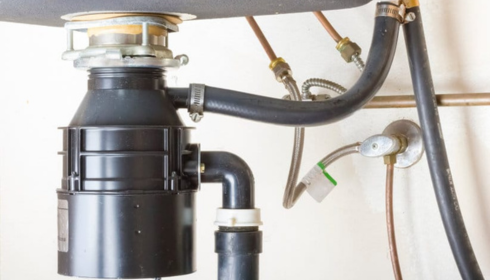
Now let’s shift gears to the kitchen. That tiny hole under your sink — the one that devours table scraps like magic? That’s your garbage disposal, and it’s working harder than it gets credit for. But even heroes break down. Maybe it starts humming instead of grinding. Or worse, it just dies silently mid-spin.
Some folks try DIY fixes: pushing the reset button, spinning the blades with an Allen wrench, or pouring in ice cubes like a Pinterest hack suggests. Sometimes that works. Sometimes you’re just delaying the inevitable.
And when it’s truly toast, garbage disposal replacement isn’t as daunting as it sounds — if you know what you’re doing. A new unit could even mean better energy efficiency, quieter operation, and fewer clogs. It’s not the most exciting home upgrade, sure, but the next time it eats a chicken bone and doesn’t complain, you’ll be grateful.
The Bigger Beast: What’s Lurking in Your Sewer Line
Now let’s talk about the real troublemaker — the sewer line. If your whole house starts smelling like something crawled up and died (not to be dramatic, but… yeah), or every drain starts backing up simultaneously, that’s when you know it’s more than a minor clog. It’s a mainline issue.
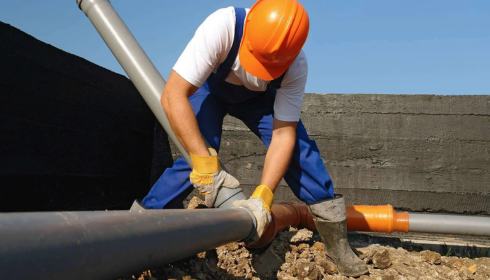
Tree roots can infiltrate pipes, old clay lines can crack, and grease — even the kind you swore you wouldn’t pour down the sink — can coat pipes over time. That’s where sewer line cleaning comes in. Not the kind where you pour a jug of blue liquid and hope for the best, but the industrial-strength kind — with hydro-jetters, camera inspections, and sometimes, a full dig-up if things get dire.
It’s not fun. It’s not cheap. But it’s vital. A blocked sewer line left untreated can cause raw sewage to back up into your home — and no candle, diffuser, or emergency scrub-down can erase that experience.
Maintenance Tips from Someone Who’s Been There
Let’s get real: You’re probably not going to schedule monthly inspections of your drains and disposals. I don’t either. But there are a few habits that can save you time, cash, and sanity down the line:
- Hot water is your friend – Run it down the drain after using your disposal. It helps keep grease from solidifying.
- Skip the drain cleaner chemicals – They’re harsh on pipes and don’t always reach deep clogs. Enzyme-based cleaners are safer and more effective long-term.
- Watch what goes down – Just because it fits doesn’t mean it should. Coffee grounds, eggshells, pasta, rice, and fibrous veggies like celery or corn husks? Keep ‘em out.
- Hair traps save lives (and pipes) – Especially if you’ve got long locks or pets that shed like it’s their job.
- Know where your cleanouts are – In an emergency, this little detail can make all the difference to a plumber.
When to Call in the Pros
There’s a fine line between DIY and “Why-Did-I-Try?” Sometimes, it’s cheaper to admit defeat early. Here are some signs it’s time to phone a professional:
- Gurgling noises from multiple drains
- Frequent clogs despite your best efforts
- Unpleasant odors that won’t go away
- Water backing up from the lowest drain in the house
- Garbage disposal hums but doesn’t spin (even after hitting reset)
A good plumber won’t just fix the issue — they’ll explain it. They’ll tell you why your pipes are clogging in the first place and how to prevent it in the future. Think of them less like a repair person and more like a home health consultant — but for your plumbing.
Final Thoughts (From One Homeowner to Another)
You probably don’t dream of mastering drain maintenance. You’d rather spend your weekend anywhere but under the sink or hovering near a floor drain with a bucket and a flashlight. Totally fair. But whether you’re a homeowner or a renter, dealing with these issues isn’t just about convenience — it’s about protecting your home from mess, stress, and surprise repair bills.
Next time your sink starts acting weird, or your basement smells funky, don’t wait. Listen to your home. It’s whispering (or sometimes screaming), “Hey… something’s off down here.”
And hey — if you’ve made it this far and still haven’t checked that trap under your kitchen sink? Maybe now’s the time. Just wear gloves. And keep the number of a good plumber handy. Just in case.