A roof has a funny way of staying out of sight and out of mind—until something goes wrong. A few missing shingles after a windy night, a brown stain on the ceiling, or water dripping into the attic can quickly turn a normal day into a stressful one. And because roofing problems often start small, it’s tempting to grab a ladder and fix whatever looks obvious.
Sometimes that works. Often, it doesn’t.
Your roof is more than the visible layer of shingles. Beneath it are flashing, underlayment, ventilation systems, decking, insulation, and structural components that can all be affected by weather. Knowing when to make a simple repair and when to bring in a professional can save you money, frustration, and potentially a much bigger repair later.
Not Every Roof Problem Is Easy to Spot
One of the biggest mistakes homeowners make is judging roof damage by what they can see from the ground.
A shingle might look slightly lifted, while the material underneath has already been exposed to moisture. A ceiling stain may seem like an isolated leak, but the actual source could be several feet away. Water has a habit of traveling along roof decking and framing before it finally appears inside the house.
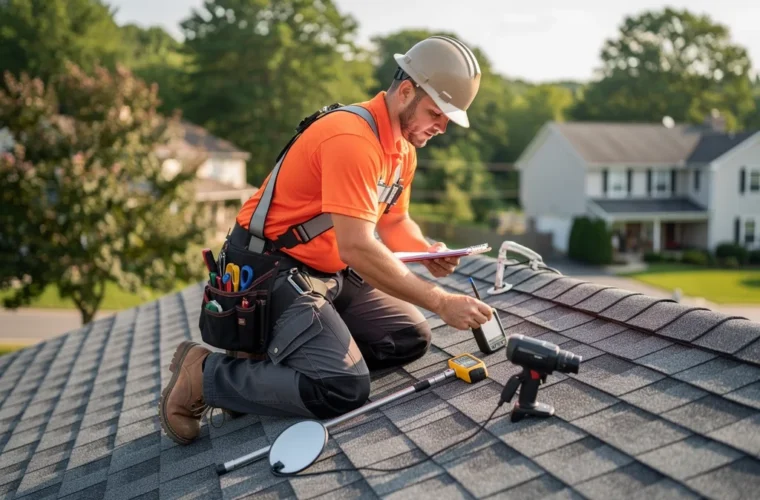
This is where experienced roofing experts can make a real difference. They don’t just look for obvious damage. A proper inspection considers the age of the roof, previous repairs, flashing, ventilation, drainage, and areas that are particularly vulnerable to wind and rain.
After a major storm, that kind of inspection becomes even more important.
Storm Damage Can Be More Serious Than It Looks
Strong winds, hail, falling branches, and heavy rain can all affect a roof. Sometimes the damage is dramatic—large sections of shingles are missing or a tree has landed across the structure. Other times, it’s subtle.
Hail can leave small bruises or cracks. Wind can loosen shingles without completely removing them. Flashing around chimneys, vents, and skylights may shift just enough to allow water inside. These issues don’t always cause an immediate leak, either.
That’s why homeowners shouldn’t wait for water to start dripping from the ceiling before taking action.
If you suspect storm damage restoration is needed, document what you can safely see and arrange for a professional assessment. Taking photographs from the ground can also be useful when discussing repairs with your insurance company. More importantly, avoid climbing onto a damaged roof after severe weather. Wet surfaces, loose materials, and hidden structural problems can make it surprisingly dangerous.
When a Roofing Contractor Is Worth Calling
There are a few situations where professional help isn’t really optional. It’s simply the sensible move.
Call a qualified contractor if you notice:
- Multiple missing or damaged shingles
- Persistent leaks or ceiling stains
- Sagging areas on the roof
- Damage around chimneys, vents, or skylights
- Large amounts of granules collecting in gutters
- Visible cracks or holes
- Signs of water damage in the attic
- Storm or hail damage
- A roof that is nearing the end of its expected lifespan
Even if the problem seems minor, getting it checked early can prevent a chain reaction. Water intrusion, for example, can eventually damage insulation, drywall, wood framing, and even electrical components.
A small roofing repair can become an expensive home repair when moisture is allowed to linger.
Choosing the Right Contractor Matters
Not all roofing companies approach a job in the same way. Before hiring someone, take a little time to research their experience, credentials, insurance coverage, warranties, and customer feedback.
You may also come across contractors who hold certifications through major roofing manufacturers. Working with an Owens Corning Preferred Contractor can give homeowners another credential to consider when comparing companies, particularly when a contractor is being evaluated for product knowledge, installation standards, and professional practices.
Still, a certification shouldn’t be the only thing you look at. Ask questions. Is the company licensed where required? Do they provide written estimates? Who will actually perform the work? What does the warranty cover? How will unexpected decking or structural problems be handled?
A trustworthy contractor won’t get irritated by reasonable questions. They’ll expect them.
Insurance Claims Don’t Have to Be Overwhelming
Roof damage after a major storm often leads to another headache: insurance.
The first step is usually documentation. Take clear photos and videos of visible damage, both inside and outside the home. Keep records of temporary repairs and any expenses related to preventing further damage.
Then review your insurance policy and contact your insurer to understand the claims process. A roofing contractor may be able to help document damage and provide a repair estimate, but remember that the insurance company ultimately determines coverage according to your policy.
Be cautious of anyone who appears immediately after a storm and pressures you into signing a contract on the spot. Good contractors don’t need high-pressure sales tactics.
Take your time, compare estimates, and read the paperwork.
Maintenance Can Prevent the Panic
Of course, the best time to think about your roof isn’t necessarily when it’s leaking.
Routine maintenance can help catch small problems before they become expensive ones. Cleaning gutters, checking attic ventilation, trimming branches away from the roof, and arranging periodic inspections are relatively simple steps.
You should also pay attention to the age of your roof. Asphalt shingle roofs, for example, don’t last forever, and local weather conditions can affect their lifespan. If your roof is older, regular inspections become especially useful.
Think of it like maintaining a car. You don’t wait for the engine to fail before checking the oil. Your roof deserves roughly the same attitude.
Don’t Let a Small Problem Become a Big One
Home repairs rarely happen at convenient times. A leak usually doesn’t wait until you’re financially or emotionally prepared for it. That’s why being proactive matters.
If you spot a damaged shingle, don’t automatically panic—but don’t ignore it either. If you’ve experienced severe weather, don’t assume the roof is fine simply because you don’t see water inside. And if you’re unsure about what you’re looking at, there’s no shame in asking a professional.
A good roof quietly does its job every day. It keeps rain out, protects your belongings, helps control indoor temperatures, and contributes to the overall safety of your home. Most of the time, you barely notice it.
That’s exactly how it should be.
When something changes—especially after a storm—pay attention. A timely inspection and a well-planned repair can turn what looks like a major crisis into a manageable home maintenance job. And sometimes, knowing when to call someone who does this work every day is the smartest DIY decision you can make.