





Most of us don’t think much about water — until it behaves differently. Maybe the morning coffee tastes slightly metallic. Maybe the shower leaves your skin feeling oddly dry, or your dishwasher suddenly starts leaving cloudy spots on glasses. These are small changes, easy to shrug off at first. But water has a way of quietly revealing what’s happening behind the scenes.
Unlike visible home systems like roofing or flooring, water systems operate silently. They don’t make noise when they struggle. Instead, they show subtle signs that something needs attention. And often, by the time we notice, the issue has already been developing for a while.
Understanding how to respond to those signals — and knowing when to seek professional help — can make a significant difference in protecting both comfort and long-term home maintenance.
Why Water Quality Changes Over Time
Water isn’t static. It travels through pipes, storage systems, and treatment facilities before reaching your home. Along that journey, its composition can shift due to environmental conditions, aging infrastructure, or mineral accumulation.
Hard water minerals may build up slowly. Sediment can collect inside plumbing systems. Even treatment chemicals used to disinfect municipal supplies can affect taste and usability over time.
These changes don’t usually happen suddenly. Instead, they appear gradually, making them easy to overlook until they begin affecting daily routines.
Recognizing these patterns early helps prevent more serious issues from developing.
The Role of Maintenance and Timely Repairs
Water systems require consistent care, just like any other part of a home. Filters wear out, components degrade, and mineral buildup can reduce efficiency if left unchecked.
When problems do arise, professional repair services play a crucial role in restoring system performance. Whether addressing leaks, equipment malfunctions, or pressure imbalances, timely repairs help prevent long-term damage.
Ignoring small issues often leads to larger complications, including reduced water quality and higher maintenance costs.
Routine attention keeps systems functioning reliably.
Why Expertise Matters in Water System Care
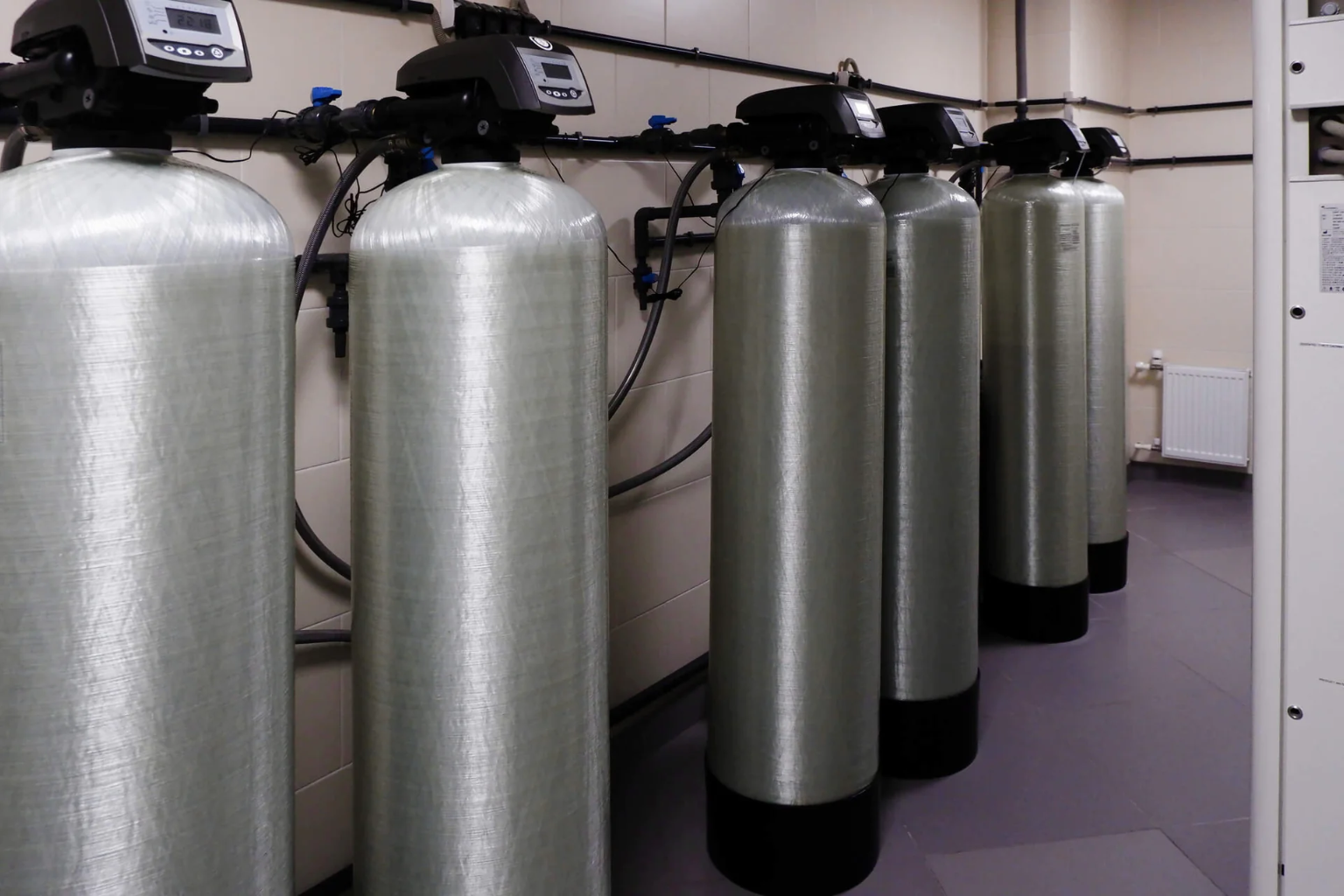
Water treatment equipment involves complex processes that require specialized knowledge. From understanding mineral content to diagnosing pressure fluctuations, effective maintenance goes beyond basic troubleshooting.
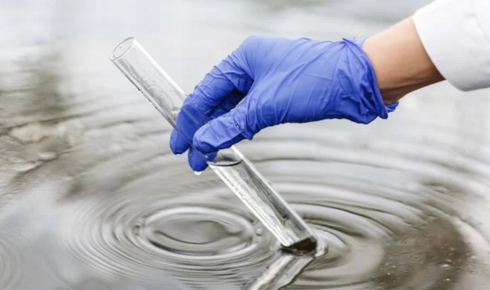
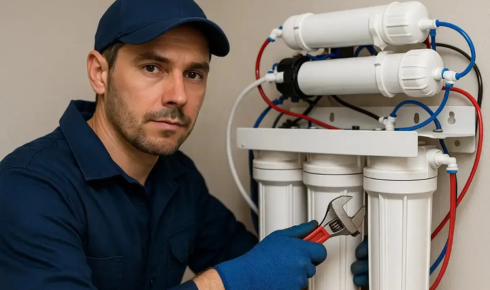
Working with a professional water technician ensures that systems are evaluated accurately and maintained according to best practices. Technicians use specialized tools to assess water quality, inspect equipment performance, and identify underlying issues.
Their expertise helps homeowners avoid guesswork and ensures that solutions address root causes rather than symptoms.
Professional support adds confidence to water system management.
The Benefits of Personalized Water Solutions
No two homes have identical water conditions. Factors such as location, water source, plumbing infrastructure, and usage patterns all influence water quality.
This is why tailored water treatment approaches often provide the most effective results. Customized solutions address specific challenges rather than relying on generic equipment that may not fully resolve issues.
Personalized treatment systems help balance mineral content, remove contaminants, and improve overall water usability.
Targeted solutions deliver consistent and reliable outcomes.
The Financial Impact of Proactive Care
Maintaining water systems proactively often leads to long-term financial savings. Hard water minerals can damage appliances, reduce energy efficiency, and increase repair frequency.
Water heaters, dishwashers, and washing machines all perform better when exposed to properly treated water.
Investing in regular maintenance and personalized treatment helps prevent costly replacements and reduces ongoing operational expenses.
Preventive care is typically more economical than reactive repairs.
The Emotional Value of Reliable Water
Reliable water quality contributes to everyday comfort in subtle but meaningful ways. It allows routines to proceed smoothly without unexpected disruptions.
When water systems function properly, homeowners rarely think about them. But when problems arise, they can create stress and uncertainty.
Knowing that water quality is monitored and maintained provides peace of mind. It allows families to focus on daily life rather than worrying about hidden system issues.
Comfort extends beyond physical surroundings to include confidence in essential resources.
Practical Steps for Maintaining Water Quality
While professional support is essential, homeowners can adopt habits that help maintain water system efficiency.
Helpful practices include:
- Replacing filters regularly
- Monitoring water pressure levels
- Scheduling periodic system inspections
- Flushing water heaters to remove sediment
These actions help preserve water quality and prevent unexpected problems.
Consistency plays a key role in long-term reliability.
The Role of Modern Technology in Water Care
Advancements in water treatment technology have made monitoring and maintenance more efficient than ever. Smart systems can track usage patterns, detect leaks, and provide maintenance alerts.
These innovations allow homeowners to stay informed about system performance without constant oversight.
Technology continues to transform how water quality is managed, making it easier to maintain consistent standards.
Modern solutions enhance both convenience and reliability.
A Final Thought: Listening to What Water Reveals
Water systems rarely fail without warning. They communicate through subtle changes — shifts in taste, pressure variations, or equipment performance.
Paying attention to these signals and seeking professional guidance early helps protect both home infrastructure and daily comfort.
Because ultimately, water management isn’t just about fixing equipment.
It’s about maintaining the quiet stability that supports everyday life — ensuring that the resource we depend on most continues to serve its purpose reliably, safely, and without interruption.