





We talk a lot about air quality, energy efficiency, even the kind of lightbulbs we screw into our lamps. But water? It’s just… there. Flowing from taps, filling kettles, swirling down drains. Most of us don’t give it a second thought unless it smells odd or the pressure drops unexpectedly.
And yet, water quietly shapes so much of our daily comfort. The way your skin feels after a shower. How bright your laundry looks. Whether your coffee tastes clean or slightly metallic. These little things add up, and when something feels “off,” it often traces back to what’s running through your pipes.
I used to think water quality upgrades were the kind of thing only meticulous homeowners obsessed over. Turns out, it’s more practical than that. It’s less about perfection and more about longevity, comfort, and—surprisingly—efficiency.
The Real Cost of Hard Water
Hard water isn’t dangerous. Let’s clear that up. It’s simply water rich in dissolved minerals like calcium and magnesium. In some areas, it’s barely noticeable. In others, it’s practically part of the local personality.
But here’s the catch: those minerals don’t just disappear after you rinse your hands. They leave traces behind. On fixtures. Inside pipes. On heating elements. Over time, that buildup turns into a crusty layer that quietly strains appliances and plumbing.
A water heater coated in mineral deposits has to work harder. Dishwashers struggle to produce that spotless finish. Even washing machines need more detergent to get the same results. It’s subtle at first, then suddenly your energy bill creeps upward and you can’t quite figure out why.
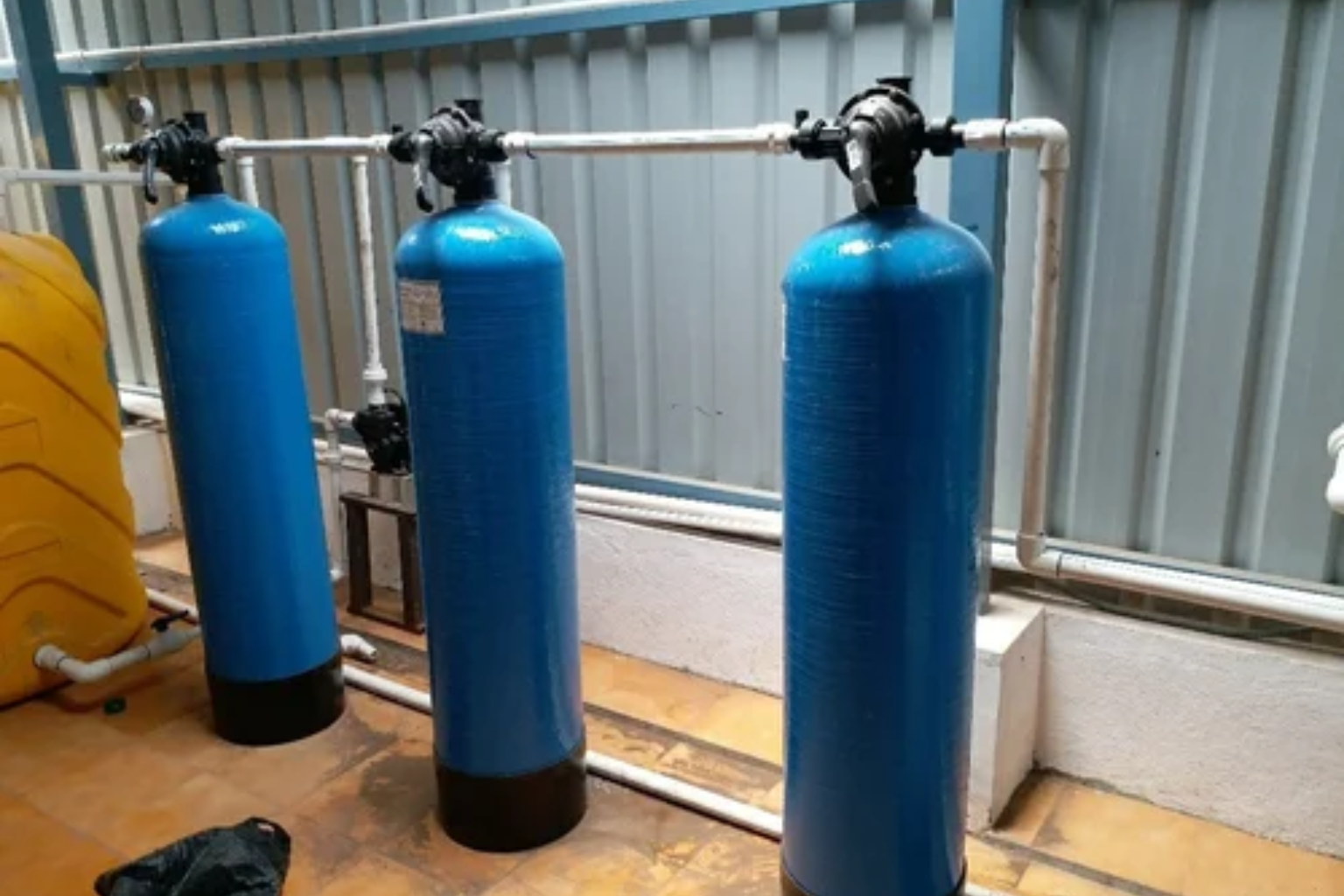
That’s where people start exploring options for mineral removal, not because they’re chasing luxury, but because they’re tired of replacing appliances sooner than expected. Addressing the mineral content at the source feels a lot smarter than scrubbing scale off faucets every few months.
What Efficiency Really Looks Like at Home
We hear the phrase “efficiency” tossed around constantly. Energy-efficient windows. Efficient HVAC systems. Efficient washing cycles. But water plays a role in all of that, too.
When heating elements aren’t insulated by mineral scale, they transfer heat more effectively. When pipes remain clear, water pressure stays consistent. When detergents lather properly, you use less product. It’s all connected.
In many homes, water treatment contributes to improved water efficiency in ways that aren’t immediately obvious. It’s not flashy. There’s no dramatic before-and-after moment. Instead, it’s about systems running the way they were designed to run.
Your dishwasher finishes cycles without cloudy residue. Your water heater doesn’t groan as much. Even showerheads spray evenly rather than spitting awkwardly from half-blocked nozzles.
Efficiency, in this sense, is really about removing obstacles. Letting water flow cleanly without resistance from mineral buildup. It’s the difference between something barely functioning and something functioning well.
Comfort Is More Noticeable Than You Think
There’s another layer to all this that doesn’t get enough attention: how water feels.
If you’ve ever stayed somewhere with naturally soft water, you probably noticed it without knowing why. Soap lathers easily. Shampoo rinses out faster. Towels feel fluffier. Skin doesn’t feel tight or dry after a shower.
That sensation comes from softer water, which interacts differently with soap and skin. Hard water tends to leave behind a residue that can dull fabrics and irritate sensitive skin. Softer water, on the other hand, allows soaps to dissolve fully, leaving less behind.
It’s not a life-changing revelation, but it’s one of those small improvements that quietly enhances daily routines. Showers feel cleaner. Clothes last longer. Even dishes come out of the dishwasher looking brighter.
And while comfort might sound like a luxury argument, it’s practical, too. When soaps and detergents work better, you use less of them. That reduces household waste and stretches your budget a little further. Nothing dramatic. Just steady, sensible benefits.
Long-Term Thinking in a Short-Term World
Most of us don’t plan home upgrades five years in advance. We react. The water heater fails. The dishwasher stops draining. A plumber points out corrosion in pipes, and suddenly we’re scrambling.
But water quality is one of those areas where proactive decisions pay off more than reactive ones. Treating water before it damages appliances feels a bit like regular oil changes for your car. Not glamorous, but undeniably wise.
There’s also a sustainability angle worth mentioning. Appliances that last longer reduce landfill waste. Systems that operate efficiently consume less energy. Even small reductions in detergent usage make a cumulative difference over time.
I’m not suggesting every home needs an elaborate water treatment system. Sometimes a basic test reveals only mild hardness. Sometimes simple filtration is enough. The key is awareness. Knowing what’s flowing through your pipes rather than assuming it’s “probably fine.”
Finding the Right Balance
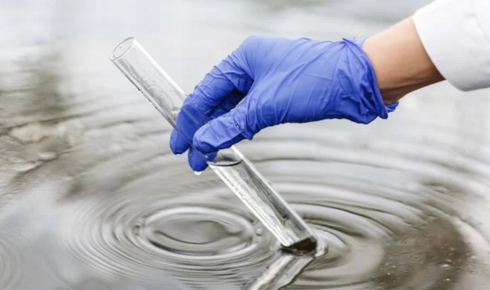
Upgrading your home’s water setup doesn’t have to be complicated. Start with a water test. Many local services offer them, and some hardware stores do, too. The results give you clarity instead of guesswork.
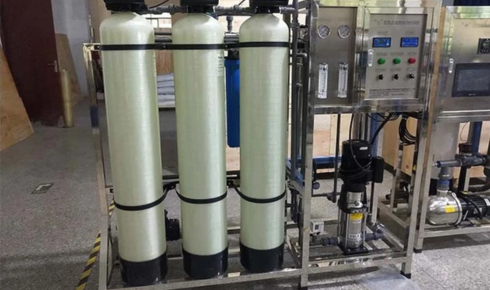
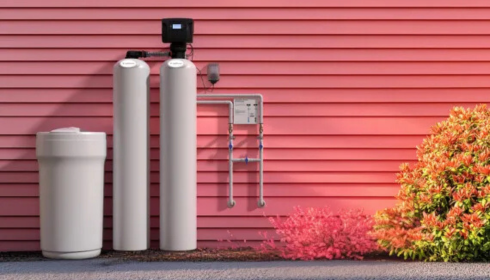
From there, options range from salt-based softeners to salt-free conditioners and filtration systems. Each comes with trade-offs—maintenance needs, upfront costs, long-term savings. It’s not about picking the fanciest solution; it’s about choosing what aligns with your household’s needs.
If your water is moderately hard, a simpler approach might suffice. If it’s extremely mineral-rich, a more comprehensive solution could save you money in the long run.
The Quiet Impact of Better Water
At the end of the day, water quality isn’t a glamorous home improvement topic. It won’t impress guests the way a renovated kitchen might. But it touches nearly every aspect of daily life.
It affects how appliances perform, how fabrics wear, how skin feels, and how efficiently your home operates. And once you’ve experienced the difference, it’s hard to go back to ignoring it.
Sometimes, the smartest upgrades are the ones that work quietly in the background. You don’t notice them every day—but you’d certainly notice if they weren’t there.