Here’s a not-so-fun fact: just because your water is clear doesn’t mean it’s clean. It might look perfectly fine coming out of the tap—no color, no chunks, no immediate drama. But give it a minute. Maybe your laundry comes out with strange orange stains. Maybe the bathroom smells… off. Maybe your morning shower feels more like a science experiment than self-care.
If that’s ringing any bells, you’re not alone. The water we live with—whether it’s from a city line or a backyard well—isn’t always working in our favor. And the problems? They often hide in plain sight, building up slowly until one day you’re scrubbing orange rings out of your toilet and wondering when it all went sideways.
Let’s talk about what’s actually in your water, what it’s doing to your home (and your health), and what you can do to take control.
That Rotten-Egg Smell? It’s Not Your Imagination
You wake up, head into the bathroom, turn on the tap—and bam. That unmistakable whiff of sulfur hits you like a bad punchline. It’s not dangerous in small amounts, but it sure isn’t pleasant. Worse? It’s embarrassing when guests come over. Nobody wants their home to smell like boiled eggs left out too long.
This is usually caused by hydrogen sulfide gas, a common nuisance in private wells and sometimes even in rural municipal supplies. And if you’re also seeing rust-colored stains on your sinks or noticing your white laundry looking more like Halloween props, you’ve got iron in the mix too.
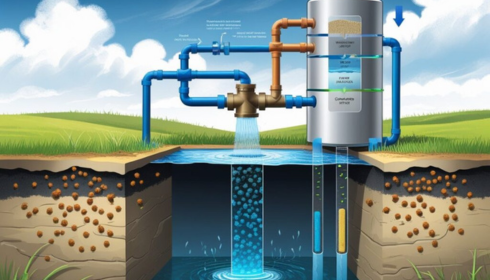
Together, these two make an infuriating duo—and that’s where proper iron and sulfur removal becomes essential. Specialized filtration systems target both contaminants, using oxidizing filters or aeration tanks to strip them from your water before they reach your tap. The result? Clean-smelling showers, brighter laundry, and fixtures that actually stay clean after you clean them. Imagine that.
City Water Isn’t Always the Hero You Think It Is
Now, if you’re living in town and relying on municipal water, you might be thinking, “This doesn’t apply to me.” But here’s the kicker—city water has its own quirks.
Yes, it’s treated and monitored. But that doesn’t mean it’s pristine. Chlorine, sediment, aging infrastructure, and even trace pharmaceuticals can end up in your water. Plus, those occasional boil notices? They don’t exactly inspire confidence.
This is where municipal water filtration can save the day. It’s not about paranoia—it’s about preparation. Installing a filtration system designed to enhance already-treated water gives you that extra layer of protection. It takes out the chlorine taste, grabs the lingering sediment, and just… makes it better. Your ice tastes cleaner. Your pasta water smells like, well, nothing. And your peace of mind? Off the charts.
If You’ve Got a Well, You’ve Got to Be the Boss
Let’s circle back to private wells for a minute.
Wells are great—they give you independence, save money long-term, and aren’t subject to the same interruptions as municipal systems. But here’s the thing: they’re entirely your responsibility.
That means testing it, treating it, and keeping an eye on seasonal changes. One heavy rainstorm, one nearby farm’s runoff, or even a shift in the groundwater table can throw off your water’s chemistry. What was crystal clear in spring might be staining your toilet by fall.
Luckily, private well solutions have come a long way. There are systems tailored to everything from high iron content to low pH levels to bacterial contamination. They’re not one-size-fits-all, and that’s the beauty of it. You get a system based on your well, your needs, and your water test results.
Owning a well might come with responsibility—but it also comes with the power to create your own water standard. And that’s worth its weight in clean, refreshing gold.
It’s Not Just About Taste or Smell—It’s About Health
Sure, sulfur smells bad. And yes, iron stains are annoying. But the bigger picture? It’s about the long-term effects on your plumbing, your appliances, and even your skin.
Contaminants—whether naturally occurring or treatment byproducts—can quietly eat away at your pipes, coat your heating elements in scale, or irritate sensitive skin over time. They can change how food tastes, how water feels, and how much you trust your own tap.
You don’t have to wait for a health scare to act. You just need a little awareness and a willingness to ask, “Is my water really working for me?”
Getting Started Is Easier Than You Think
Don’t worry—this isn’t a full-time job. You don’t have to become a water chemist or install a DIY lab in your basement. Most companies that specialize in water systems will test your water (many even do it for free) and walk you through the results like a real person—not a robot throwing around acronyms.
From there, it’s just about choosing what matters to you. Maybe it’s removing that sulfur smell once and for all. Maybe it’s filtering city water to improve taste and reduce chlorine. Maybe it’s making your well system smarter and more efficient.
There’s no one-size-fits-all. But there is a solution built for your home—and once you experience better water, trust me, you won’t want to go back.
Final Thought (Best Served Cold and Filtered)
You use water every day. You cook with it, clean with it, wash your kids with it. And yet, it’s one of the last things people think to upgrade.
But clean, clear, healthy water? That’s not a splurge. That’s a foundation. Whether it’s iron and sulfur removal, smarter municipal water filtration, or tailored private well solutions, one simple change can ripple through your whole home—and your life.