



There’s something almost comforting about filling a glass of water straight from the tap. It’s simple. Ordinary. Automatic. You don’t think about the pipes behind the walls or the treatment plants miles away. You just drink.
But lately, more people are pausing before that sip. Not because they’re panicked—but because they’re curious. What’s actually in this water? Why does it taste slightly different after heavy rain? Why does the kettle build up residue so quickly?
It’s not about fear. It’s about awareness.
And that awareness is driving interest in better filtration systems that go beyond the basics.
The Limits of Basic Filters
Pitcher filters and faucet attachments are popular for a reason. They’re affordable, easy to install, and can noticeably improve taste—especially if chlorine is present.
But these simple systems often address surface-level issues. They’re good at reducing odors and some impurities, but they don’t always tackle what you can’t see or taste.
That’s where more robust solutions come into play.
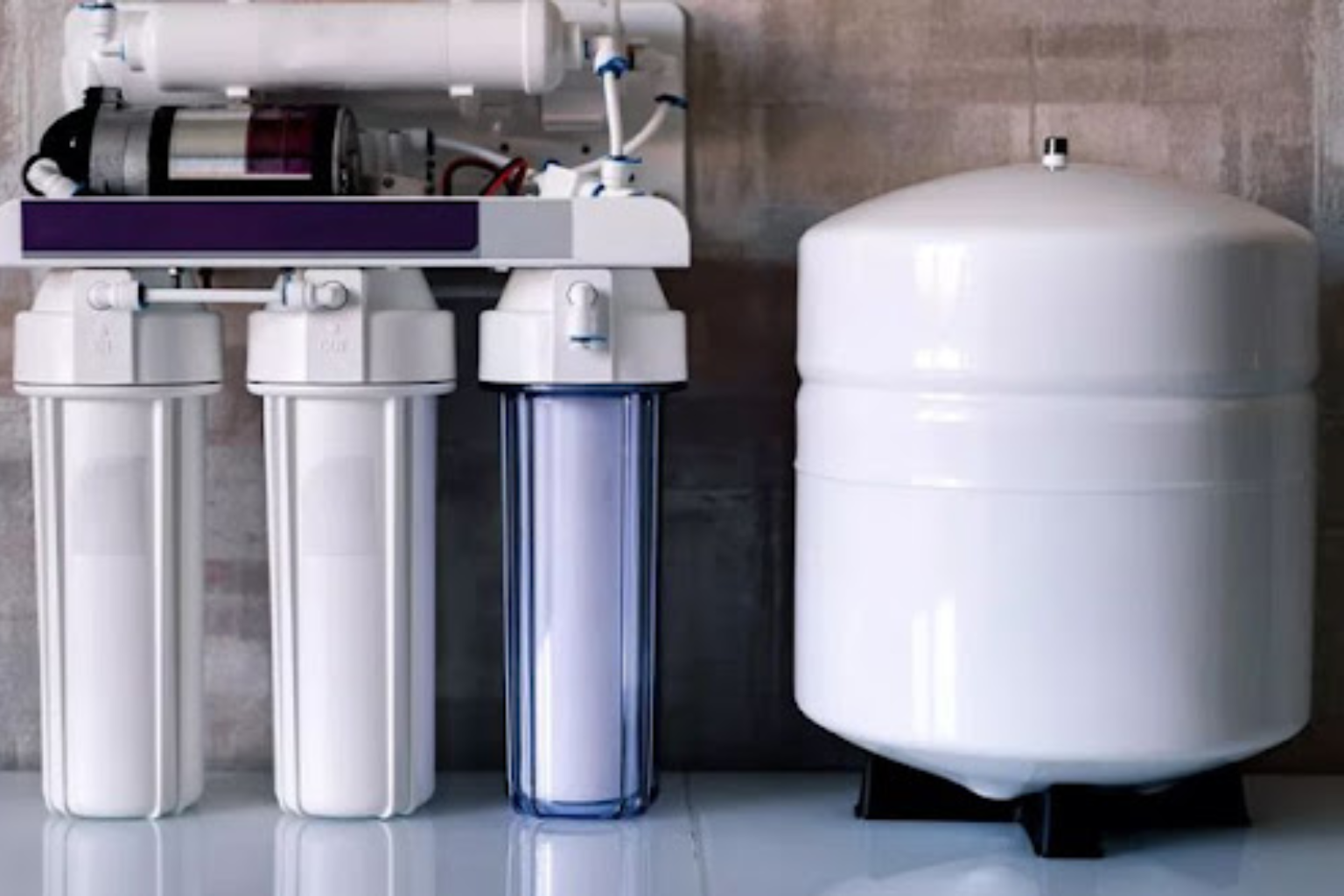
When people begin researching deeper purification options, one term consistently appears: reverse osmosis. It sounds technical—and it is—but the concept is surprisingly straightforward.
Water is pushed through a semi-permeable membrane that blocks many microscopic particles and impurities. What comes out the other side is cleaner, often crisper-tasting water. Many homeowners describe it as “lighter” or “fresher,” even though it’s still just water.
The difference isn’t dramatic in a flashy way. It’s subtle. But once you get used to it, it’s hard to go back.
What’s Actually Being Removed?
Water isn’t just H₂O. It carries minerals, trace elements, and occasionally unwanted substances picked up along its journey.
Some of those elements are harmless. Others, depending on levels and location, may warrant attention. For example, certain regions deal with higher mineral content, while others face challenges from aging infrastructure.
The goal of filtration isn’t to create “perfect” water. It’s to reduce dissolved contaminants to levels that feel safe and comfortable for daily use.
Reverse osmosis systems are particularly effective at targeting many of these dissolved particles. But they’re not the only option.
The key is understanding your local water profile before investing in any system.
Going Beyond Drinking Water
When people think about water purification, they often focus solely on what they drink. But water interacts with your life in other ways too—through cooking, bathing, and even cleaning.
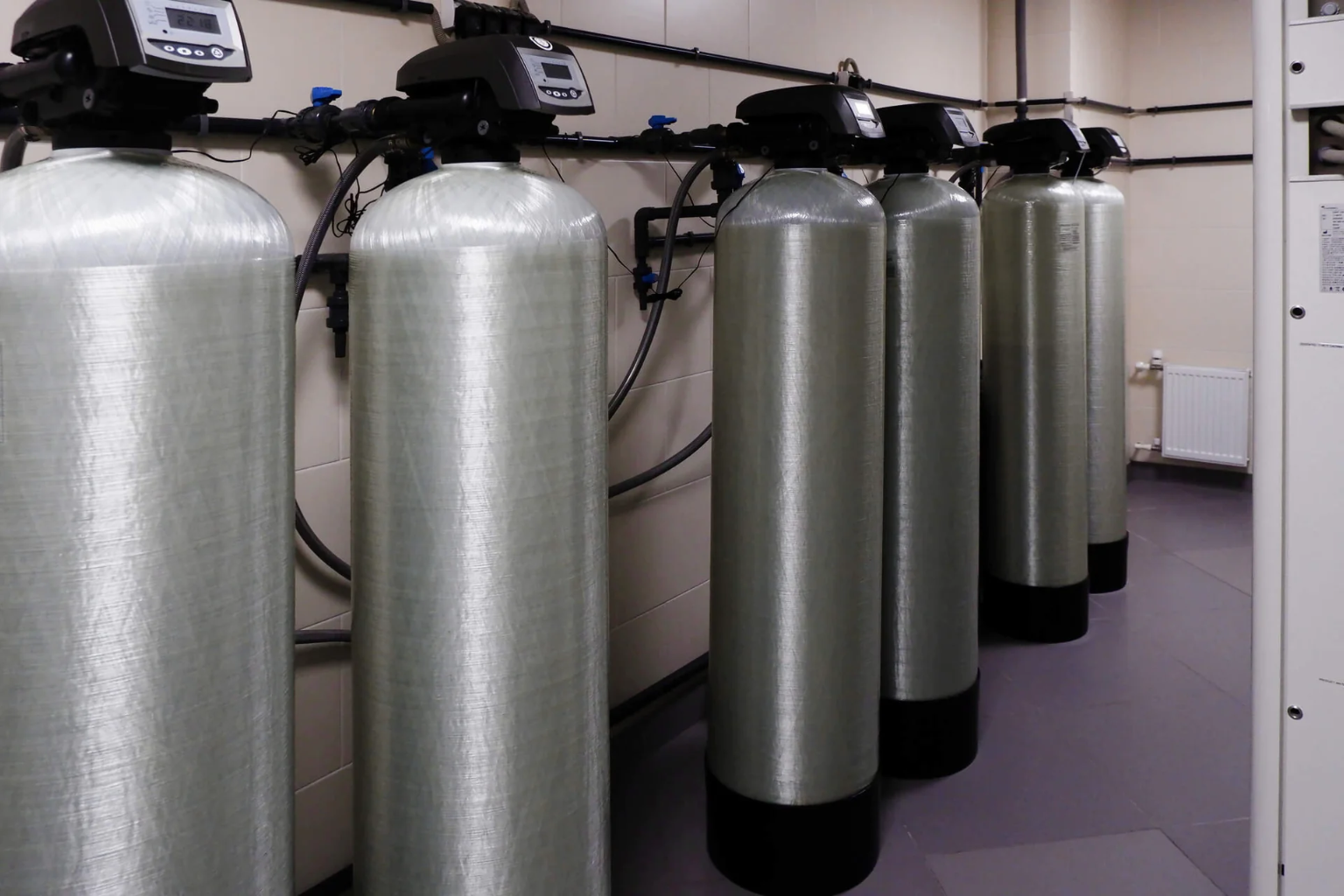
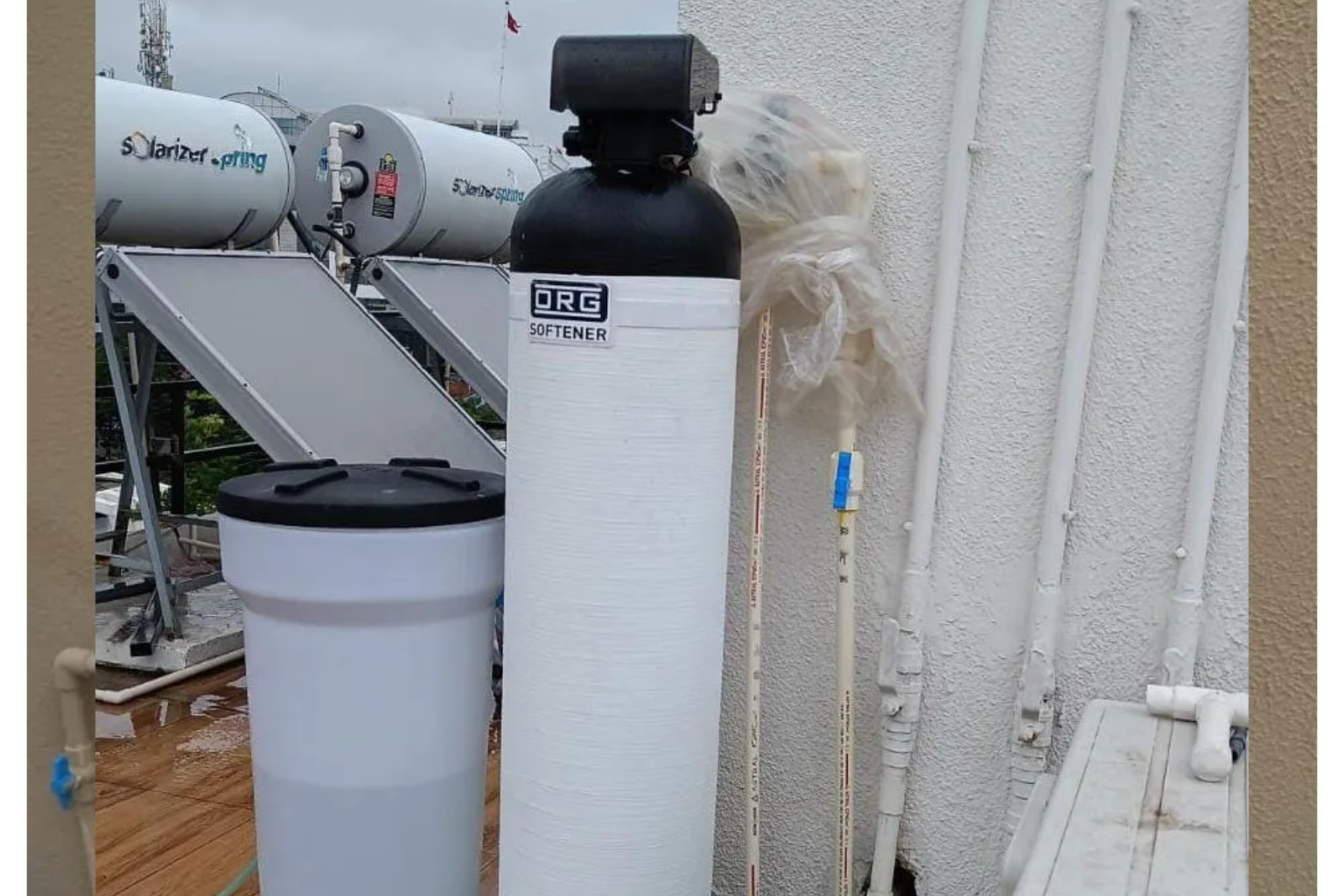
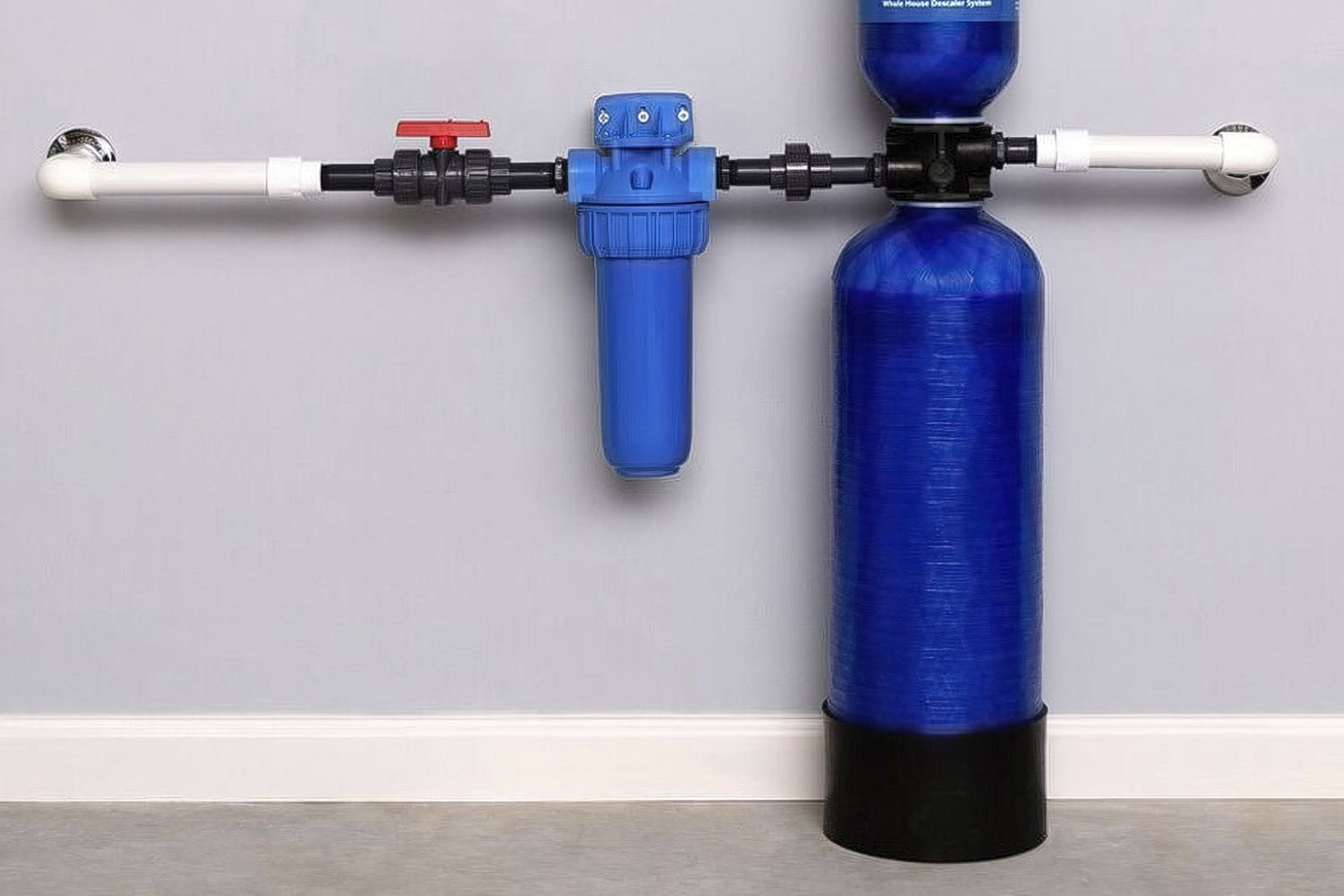
That’s where advanced filtration systems step in. These setups often combine multiple stages—sediment filters, carbon blocks, and sometimes UV purification—to address a broader spectrum of concerns.
For example, carbon filtration is excellent at reducing chlorine taste and odor. Sediment filters capture particulate matter before it reaches appliances. UV systems can neutralize certain microbial threats in well water.
It’s not about stacking technologies unnecessarily. It’s about layering them intelligently.
The Importance of Testing First
Here’s something that doesn’t get emphasized enough: test your water before choosing a system.
Without data, you’re guessing.
Hardness levels, pH balance, total dissolved solids, chlorine concentration—these numbers tell a story. And that story guides your solution.
Installing a reverse osmosis system in an area where chlorine taste is the primary issue might be overkill. On the other hand, ignoring elevated mineral levels can shorten appliance lifespan.
Water testing doesn’t need to feel intimidating. Many local providers offer affordable analysis, and at-home kits can provide basic insights.
Information makes decisions easier.
Cost vs. Long-Term Value
Water filtration systems aren’t impulse buys. They require investment—both financial and logistical.
But consider the alternatives. Bottled water adds up quickly, not to mention the environmental impact of plastic waste. Appliance repairs caused by mineral buildup are rarely cheap. Even the inconvenience of constantly scrubbing scale from fixtures carries a cost in time and effort.
Over time, a well-chosen filtration system often balances out.
And beyond dollars, there’s comfort. The ease of filling a glass without hesitation. The taste of coffee that doesn’t need masking with extra sugar. The absence of lingering odors in showers.
These small improvements compound.
A Balanced Approach to Clean Water
It’s easy to swing between extremes—either assuming tap water is flawless or fearing it’s full of hidden dangers.
The truth sits in the middle.
Municipal water systems are heavily regulated and monitored. Well water owners simply need to test more proactively. Most water concerns are manageable with targeted solutions.
Filtration isn’t about perfection. It’s about optimization.
When you match the right system to your water profile, you improve daily life without overcomplicating it.
Final Thoughts
Water is deeply personal. It sustains you. It supports your routines. It flows through nearly every aspect of home life.
Taking the time to understand and improve it isn’t a luxury—it’s a thoughtful investment.
Whether that means installing a reverse osmosis system for drinking water, layering advanced filtration for broader protection, or simply testing your supply to gain clarity, the goal is the same: confidence.
Because when you trust your water, you stop thinking about it.
And that’s exactly how it should be.