Plumbing has changed quite a bit over the years. What used to mean digging up a yard, replacing a bulky water heater, or searching blindly for a hidden leak can now often be handled with smarter tools and less disruption. For homeowners, that’s more than a technological upgrade. It can mean fewer headaches, shorter repair times, and a lot less mess around the house.
Modern plumbing solutions are especially useful when a problem is difficult to see or access. A leaking pipe behind a wall, an aging underground line, or an inefficient water-heating system may not announce itself until the damage is already expensive. Thankfully, plumbers today have better ways to inspect, locate, repair, and replace these systems.
Seeing Plumbing Problems Before They Become Bigger
One of the biggest challenges in plumbing repair is that much of the system is hidden. Pipes run beneath floors, inside walls, under driveways, and through ceilings. When something goes wrong, simply looking at the visible fixtures doesn’t always tell the whole story.
That’s where inline video cameras can make a real difference. Small waterproof cameras can be guided through accessible sections of piping, allowing professionals to see blockages, cracks, corrosion, root intrusion, or other problems from inside the line.
It’s a surprisingly simple idea, but it can save a lot of guesswork. Instead of immediately opening walls or excavating a section of property, a plumber can often inspect the inside of the pipe first. For homeowners, that means a more informed repair decision and potentially fewer unnecessary costs.
Camera inspections are also useful when buying an older home. A house may look perfect on the surface, while its underground plumbing tells a completely different story.
Underground Pipe Work Doesn’t Always Require a Trench
Traditional underground pipe replacement can be disruptive. Think about the practical side of it: landscaping gets torn up, driveways may need to be opened, and sections of a yard can spend weeks looking like a construction site.
Modern installation methods have changed that picture.
In certain situations, trenchless underground line pulls can provide an alternative to extensive excavation. Depending on the condition, location, and type of pipe involved, specialized equipment may allow a new line to be installed with significantly less digging than conventional methods.
This approach isn’t right for every property or every plumbing problem. Soil conditions, access points, pipe layout, and the condition of the existing system all matter. A professional assessment is still important. But when trenchless work is suitable, the reduced disruption can be a big advantage.
For a homeowner who has spent years caring for a garden, driveway, patio, or landscaped yard, that matters. Nobody wants to destroy half their property just to replace one aging pipe if there’s a practical alternative.
Choosing the Right Water Heater
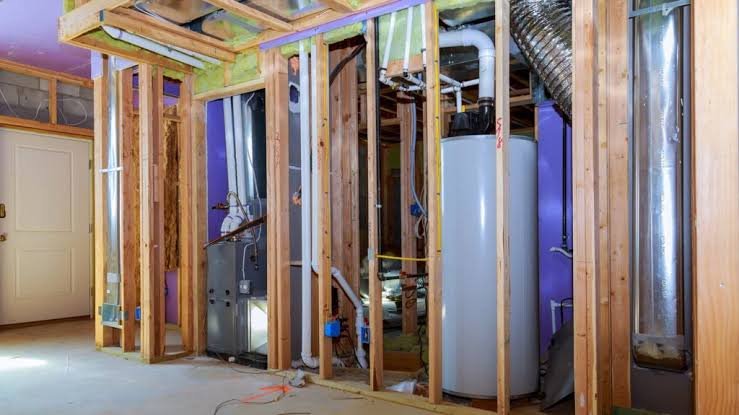
Water heating is another area where homeowners have more choices than they once did. The familiar storage-tank water heater is still widely used, and for good reason. It’s straightforward, familiar to most plumbers, and available in many sizes and price ranges.
At the same time, tankless systems have become increasingly popular. Instead of continuously heating a stored supply of water, a tankless unit heats water as it’s needed. That can save space and may improve energy efficiency, although the actual benefit depends on household usage, equipment selection, installation, and local energy costs.
When comparing tankless and standard water heaters, homeowners should look beyond the sticker price. Installation requirements, household size, hot-water demand, maintenance, expected lifespan, and available space all deserve attention.
For example, a small household with limited space may appreciate the compact design of a tankless system. A larger family with high simultaneous demand might have different priorities. There isn’t one perfect water heater for everyone, and that’s actually a good thing. The best system is the one that fits how the household really uses hot water.
Don’t Ignore Small Signs of Plumbing Trouble
Plumbing problems rarely become expensive overnight. Often, there are small warnings first.
A slow drain might seem harmless. A faint stain on the ceiling might be dismissed as an old issue. Low water pressure could be blamed on the municipal supply. Strange noises from pipes can be easy to ignore, especially when the rest of the house seems to be working normally.
Still, these little signs deserve attention.
A persistent dripping faucet wastes water. A leaking pipe can damage drywall, flooring, insulation, or cabinetry. A partially blocked sewer line can eventually turn into a much more unpleasant problem. And hidden leaks may continue for weeks before someone notices them.
The smart approach isn’t to panic every time a faucet behaves strangely. It’s simply to pay attention. Early investigation is usually easier, cheaper, and less disruptive than emergency repair.
Professional Diagnostics Are Worth the Cost
There’s a natural temptation to search for a quick DIY fix. And, honestly, some plumbing jobs are perfectly reasonable for a handy homeowner. Replacing a showerhead or clearing a minor drain clog can be straightforward.
But plumbing systems are interconnected. A repair that looks simple from the outside may have a bigger cause underneath.
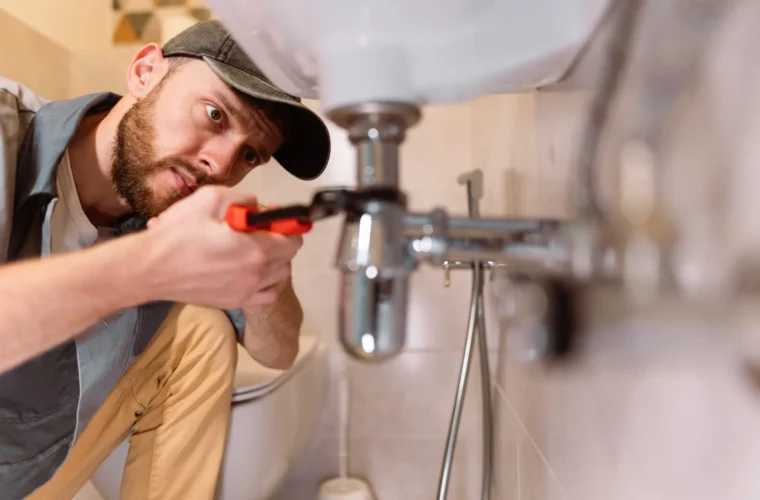
Professional plumbers have access to diagnostic equipment and experience that can make troubleshooting more accurate. They can assess water pressure, inspect pipes, identify potential leaks, evaluate drainage, and determine whether a repair or replacement makes more sense.
That doesn’t mean every problem requires the most expensive solution. In fact, a good professional should explain the options rather than automatically recommending replacement. Sometimes a small repair is enough. Sometimes an aging component is likely to fail again soon, making replacement the more sensible long-term choice.
Getting that distinction right can save homeowners money.
Maintenance Still Matters
Technology doesn’t eliminate the need for maintenance. It makes maintenance smarter.
Water heaters should be checked periodically. Drains should be treated carefully rather than overloaded with grease, hair, and inappropriate materials. Outdoor plumbing should be inspected for leaks. Older homes may benefit from periodic pipe inspections, particularly if there have been recurring problems.
Homeowners should also know where the main water shutoff is located. It sounds basic, but when a pipe suddenly bursts, knowing exactly where to turn off the water can prevent a bad situation from becoming a disaster.
Keeping a few records can help, too. Note the age of your water heater, major pipe repairs, recurring drainage issues, and any previous inspections. Plumbing has a memory, in a way. A history of repeated problems can reveal patterns that aren’t obvious during a single service visit.
A Smarter Approach to Home Plumbing
modern plumbing isn’t really about replacing every old system with the newest gadget. It’s about using the right solution at the right time.
Video inspection can reduce guesswork. Less-invasive underground installation methods can protect landscaping. Newer water-heating technology can offer different efficiency and space advantages. Professional diagnostics can identify the actual cause of a problem instead of treating symptoms.
Most importantly, homeowners don’t have to wait for a major failure before taking plumbing seriously. A little attention today can prevent a very inconvenient phone call tomorrow.
Your plumbing system works quietly in the background every day. You notice it mainly when something goes wrong. With sensible maintenance, better diagnostic tools, and informed repair choices, there’s no reason it has to stay that way.