We’re used to water simply being there. Turn the faucet, fill a glass, and carry on with the day. Yet the journey from a water source to that glass can involve several layers of treatment, especially when homeowners want better taste, fewer impurities, or an additional level of filtration.
The interesting part is that water treatment isn’t based on one magic filter. Different technologies are designed to address different problems. Some capture particles, others reduce chemicals, and specialized systems can separate many dissolved substances from water.
Understanding a little about these technologies can make choosing a home filtration system much less confusing. You don’t need to know every technical specification. You just need to know what the system is actually designed to do.
Why Water Filtration Uses Multiple Steps
Most effective filtration systems rely on more than one treatment stage.
A sediment filter may catch dirt, sand, rust, and other suspended particles. Carbon filtration can improve taste and reduce certain chemicals. More advanced systems may use membranes or other specialized treatment technologies.
Each stage has a job. That’s important because water-quality problems aren’t all alike.
If your main concern is sediment, there’s no reason to choose a system designed primarily for dissolved contaminants. If chlorine taste bothers you, a suitable carbon filter may be more appropriate.
The first step should always be understanding your water.
The Role of Semi-Permeable Membranes
One of the most interesting technologies used in residential water treatment involves semi-permeable membranes.
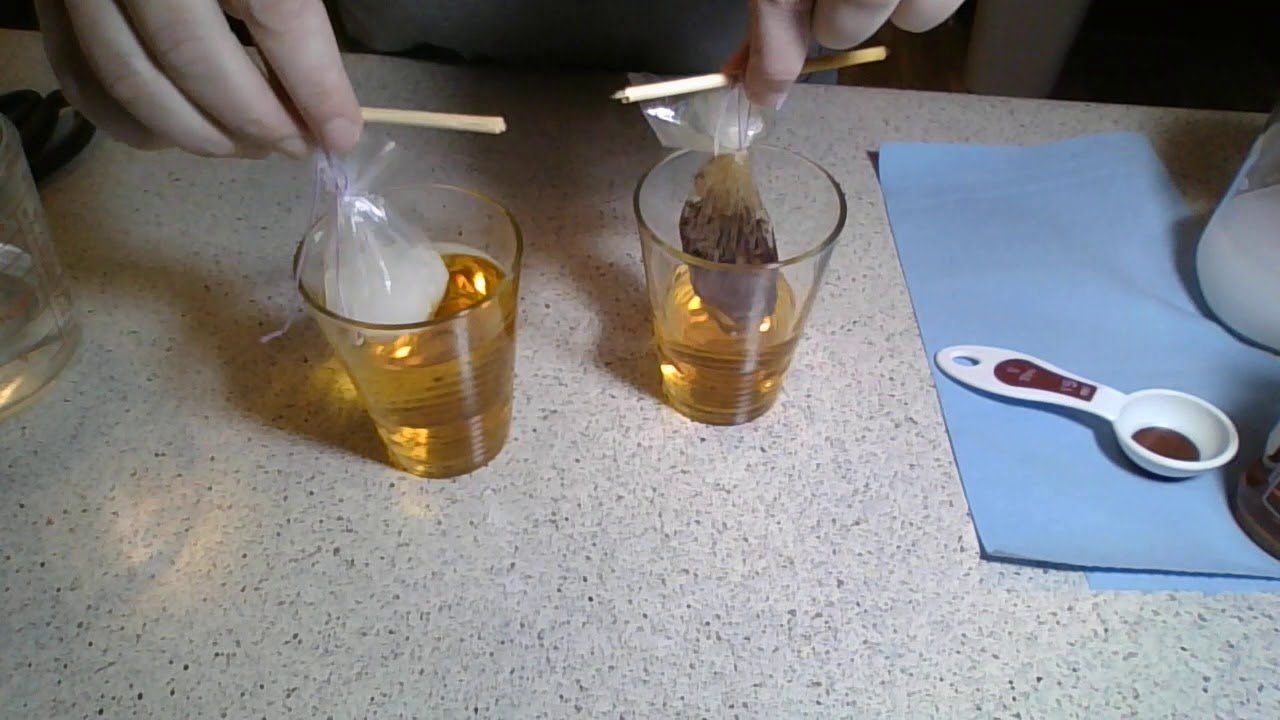
These membranes contain extremely small pathways that allow water molecules to pass while restricting many dissolved substances. Reverse osmosis systems use pressure to push water through the membrane, producing treated water while separating out a concentrated stream.
It’s a clever process, really. No complicated chemical reaction is required. The membrane acts as a selective barrier.
However, membrane performance depends on several factors, including water pressure, temperature, feed-water quality, and maintenance. That’s why reverse osmosis systems usually include pre-filters to protect the membrane from sediment and other substances.
What About Lead in Drinking Water?
Lead deserves special attention because it can enter drinking water from plumbing materials, particularly in older buildings where certain pipes, solder, or fixtures may contain lead.
Lead isn’t something you can identify by looking at water. It doesn’t necessarily change the color, taste, or smell. That’s why testing is important when there is a reason to suspect exposure.
If lead is a concern, don’t assume that any household filter will remove it. Look for a system specifically certified for lead reduction and follow its installation and replacement instructions carefully.
Also remember that water treatment doesn’t replace fixing the source. If an old plumbing component is contributing lead, addressing that component may be an important part of the solution.
Why Chlorine Is Used in Water Treatment
Municipal water systems commonly use disinfectants to control harmful microorganisms. One of the most familiar is chlorine.
Chlorine plays an important role in keeping treated water microbiologically safe as it travels through distribution systems. However, some people dislike the taste or smell associated with it.
That’s where activated carbon filtration can be useful. Certain carbon filters are designed to reduce chlorine and improve the sensory quality of drinking water.
This is a good example of why filtration needs to be matched to the goal. If you’re trying to improve taste, a carbon filter may be exactly what you need. If you’re trying to reduce dissolved minerals, a different technology may be more suitable.
Reverse Osmosis and Dissolved Substances
Reverse osmosis is often chosen when homeowners want to reduce a broad range of dissolved substances from drinking water.
The process involves pressure forcing water through a membrane. Many dissolved salts and other substances are rejected, while treated water passes through.
Most residential RO systems use several stages rather than relying on the membrane alone. Sediment and carbon pre-filters help protect the membrane, while a post-filter may polish the treated water before it reaches the faucet.
There is a trade-off, though: RO systems can produce wastewater and require regular filter and membrane replacement.
For some households, those trade-offs are worthwhile. For others, a simpler filtration approach may be enough.
Testing Should Come Before Technology
One of the easiest ways to waste money on water treatment is to buy equipment before testing the water.
A water analysis can provide information about hardness, pH, sediment, chlorine, metals, and other characteristics. If you use a private well, regular testing becomes even more important because groundwater conditions can change.
Testing doesn’t necessarily mean you’ll need an expensive system. In fact, it may reveal that a relatively simple filter is sufficient.
Think of it as diagnosing the problem before choosing the solution.
Maintenance Is Part of the Process
Every filtration system needs maintenance.
Sediment filters become loaded with particles. Carbon filters eventually become saturated. RO membranes have a service life. Even the best equipment can’t perform indefinitely without attention.
Keep track of replacement dates and follow manufacturer recommendations. If water pressure drops or the taste changes unexpectedly, check the filtration system rather than ignoring the signs.
A neglected filter can become less effective, and in some cases it can restrict water flow.
Choosing the Right System for Your Home
When comparing water filtration systems, don’t get distracted by the number of stages alone.
Instead, ask practical questions:
- What contaminants is the system designed to reduce?
- Is it certified for the specific concern you have?
- How often do filters need replacement?
- How much water does the system waste?
- What does annual maintenance cost?
- Does the system require professional installation?
These questions tell you far more than a flashy product description.
Better Filtration Starts With Better Information
modern water treatment can seem complicated because there are so many technologies available. But the underlying idea is straightforward: different problems require different solutions.
Membranes, carbon filters, sediment filters, and other technologies each have a role to play. The challenge is choosing the right combination for your water.
Start with testing. Understand the results. Then choose equipment based on documented performance and realistic household needs.
Good filtration shouldn’t feel like a science project forever. Once the right system is installed and maintained, it should fade into the background.
And that’s probably the best outcome of all—a glass of water that tastes good, feels clean, and doesn’t require you to think about everything that happened before it reached your kitchen.