water quietly supports almost everything we do at home. It’s there when we make coffee before sunrise, rinse vegetables for dinner, start a load of laundry, or enjoy a warm shower after a long day. Because it’s always available, most of us rarely stop to think about it. That is, until something changes.
Maybe your bathroom sink seems impossible to keep clean, your dishwasher isn’t leaving glasses as clear as it once did, or your water heater suddenly doesn’t seem as efficient. These little frustrations often appear unrelated, but they can all point toward the same underlying cause—changes in the quality of the water flowing through your home.
The good news is that water usually gives us plenty of clues before small inconveniences turn into expensive repairs.
Water Does More Than Fill a Glass
When people think about household water, drinking is usually the first thing that comes to mind. In reality, water affects almost every room in the house.
It flows through washing machines, dishwashers, water heaters, coffee makers, ice machines, showers, faucets, and every pipe hidden behind your walls. Because of that, even small changes in mineral content or water chemistry can gradually influence how your entire home functions.
The effects are often so gradual that homeowners simply adjust without realizing what’s happening.
The Clues Often Start in Plain Sight
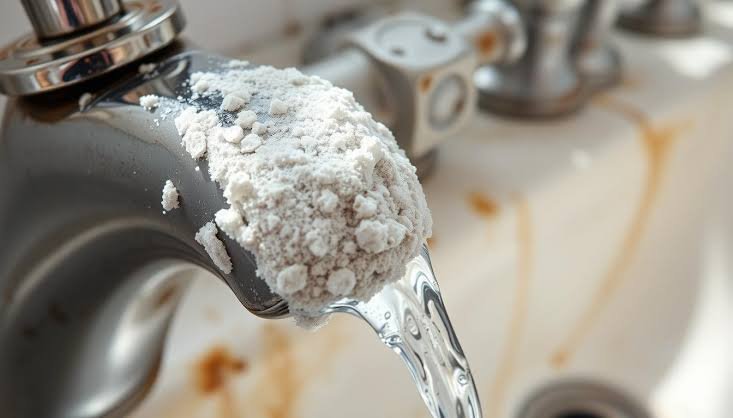
One of the easiest things to notice is the appearance of water stains around sinks, faucets, shower doors, and glassware.
At first, these marks seem like ordinary dirt or leftover soap. You wipe them away, only to watch them return within a few days. In many homes, those stains are caused by naturally occurring minerals left behind after water evaporates.
While they’re usually harmless on their own, recurring stains often suggest it’s worth learning more about your home’s water characteristics.
Sometimes your cleaning routine isn’t the problem at all.
Water Changes Throughout the Year
Many homeowners assume tap water remains exactly the same every season, but that’s rarely true.
Municipal treatment processes can shift depending on weather conditions, water demand, and maintenance schedules. Private wells may also experience seasonal changes influenced by rainfall, groundwater movement, or nearby environmental conditions.
These variations can slightly affect taste, smell, or mineral content without necessarily making the water unsafe.
Being aware of seasonal differences helps explain why water occasionally seems different even when nothing inside the home has changed.
Your Plumbing Notices Before You Do
Water doesn’t just flow through visible fixtures—it spends most of its time inside pipes.
Over months and years, minerals naturally present in water may slowly accumulate inside plumbing systems. Older homes may also experience corrosion or sediment that gradually changes how water behaves.
These conditions don’t always create immediate problems, but they can contribute to reduced water pressure, uneven flow, or other plumbing issues that become more noticeable over time.
Routine maintenance and occasional inspections often identify these concerns before they develop into larger repairs.
Small Changes Can Affect Household Comfort
The quality of your home’s water influences many daily routines in subtle ways.
Soap may lather differently. Towels can feel rough after washing. Coffee sometimes tastes richer with balanced water, while showers often feel more comfortable when excessive minerals aren’t present.
Even cooking benefits from water that allows ingredients to retain their natural flavors without competing mineral notes.
These improvements may sound minor individually, but together they create a home that’s simply more enjoyable to live in.
Your Appliances Depend on Good Water
Household appliances work with water every single day.
Dishwashers, washing machines, refrigerators, coffee machines, and water heaters all rely on consistent water quality to perform efficiently. When excessive minerals or sediment circulate through these systems for years, internal components gradually experience additional wear.
That doesn’t guarantee failure, but untreated water conditions may contribute to unnecessary appliance damage by reducing efficiency, encouraging scale formation, or increasing maintenance requirements.
Protecting your appliances often begins with understanding the water flowing through them.
Testing First Makes Better Decisions Easier
When homeowners notice unusual tastes, cloudy dishes, or mineral residue, the first instinct is often to purchase a filtration system.
A better approach is usually much simpler—test the water first.
professional water testing identifies hardness, pH balance, dissolved minerals, chlorine levels, sediment, and other characteristics unique to your home. Rather than relying on assumptions, you receive accurate information that helps determine whether treatment is necessary and which solution makes the most sense.
This saves money while preventing unnecessary purchases.
Knowledge almost always leads to better results than guesswork.
Better Water Improves More Than Appearance
Many people begin improving their water because they’re tired of cleaning stains or dealing with unpleasant tastes.
What surprises them is how many other benefits follow.
Cleaner dishes, softer laundry, smoother showers, improved appliance performance, and fewer maintenance concerns gradually become part of everyday life. These improvements don’t happen because of one dramatic change—they happen because dozens of small annoyances quietly disappear.
That’s why homeowners who improve their water often say they wish they had done it sooner.
Paying Attention Today Can Prevent Bigger Problems Tomorrow
Water rarely causes major issues without leaving smaller clues first.
Recurring stains, unusual tastes, changing water pressure, or declining appliance performance are often gentle reminders that your home’s water deserves a closer look. Addressing these signs early helps protect your plumbing, reduce long-term maintenance, and improve everyday comfort throughout the house.
At the end of the day, water should make life easier—not create extra work. By understanding the unique characteristics of your home’s water and responding to small changes before they grow into larger concerns, you’ll enjoy greater confidence every time you turn on the tap.
Sometimes the smartest home improvement isn’t the one everyone notices. It’s the one quietly working behind the scenes, improving life with every single drop.