





There’s something quietly comforting about the sound of rain hitting rooftops. It slows everything down for a moment — conversations soften, the air feels fresher, and somehow, the world seems to pause. But beyond the calming effect, rain represents something far more practical: an opportunity. One that many households and communities are rediscovering in a time when water conservation has become increasingly important.
Rainwater harvesting isn’t exactly a new idea. In fact, civilizations have been collecting rain for thousands of years. What’s changed today is not the concept itself, but the way we think about it — as both an environmental responsibility and a practical solution for everyday water use.
The Quiet Power of Rainwater
Think about it. Every rainfall delivers thousands of liters of water directly onto rooftops, streets, and open land. Without collection systems, much of this water simply flows away into storm drains or evaporates.
Capturing it transforms what might otherwise be wasted into a valuable resource. Households can use harvested rainwater for gardening, cleaning, irrigation, and even certain indoor uses after proper treatment.
But the real key to making this process effective lies in filtration. Because rainwater, while naturally pure in the atmosphere, picks up contaminants as it lands and flows across surfaces.
Why Filtration Matters More Than People Realize
When rainwater travels over rooftops, it gathers leaves, dust, pollen, bird droppings, and other debris. Without proper filtration, this material quickly accumulates in storage tanks, leading to odors, contamination, and reduced usability.
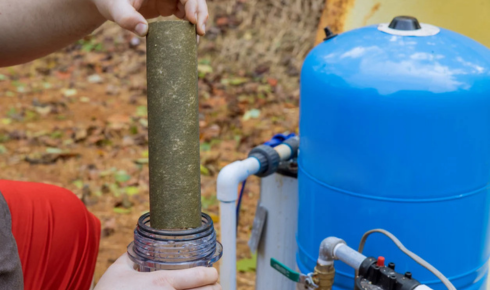
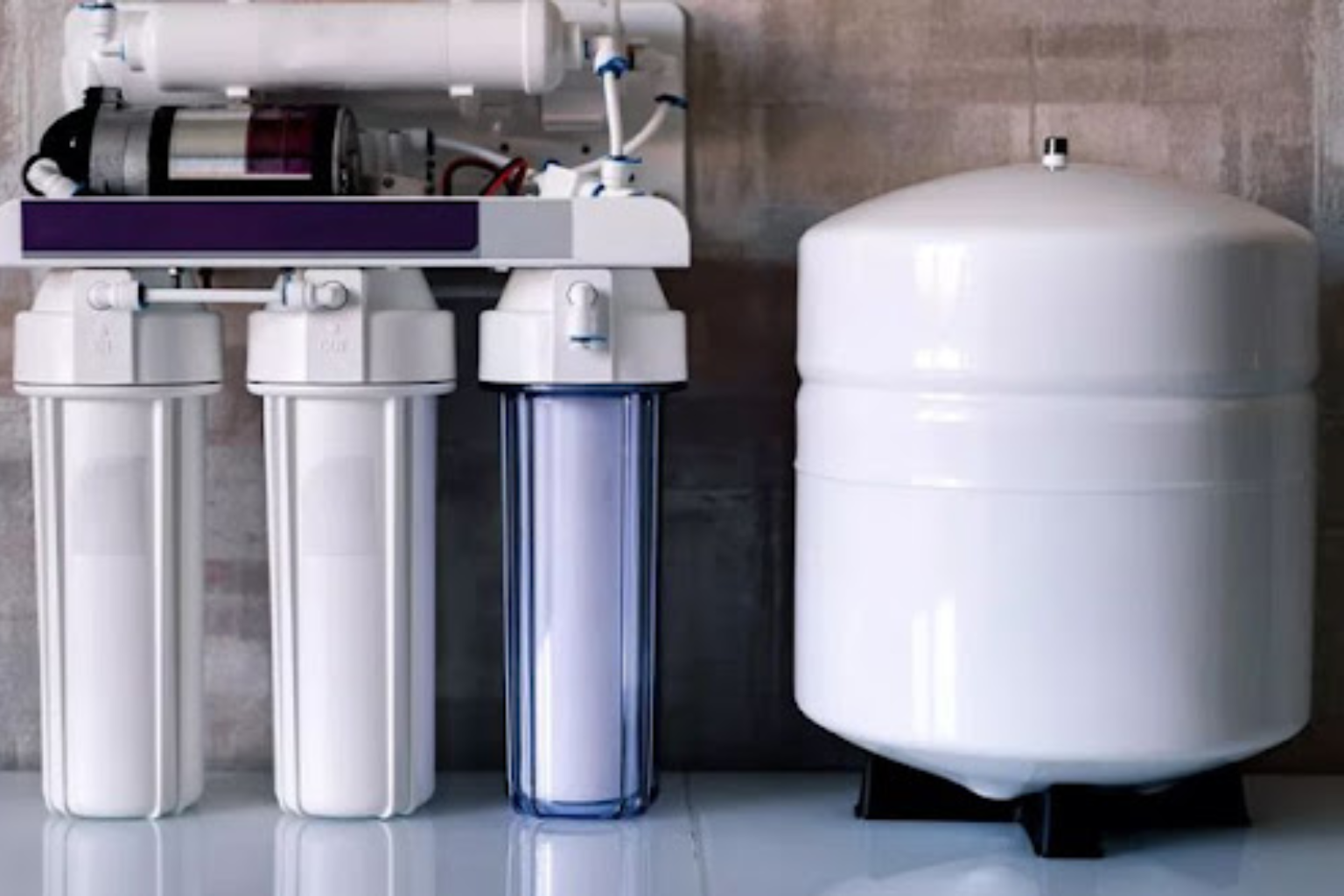
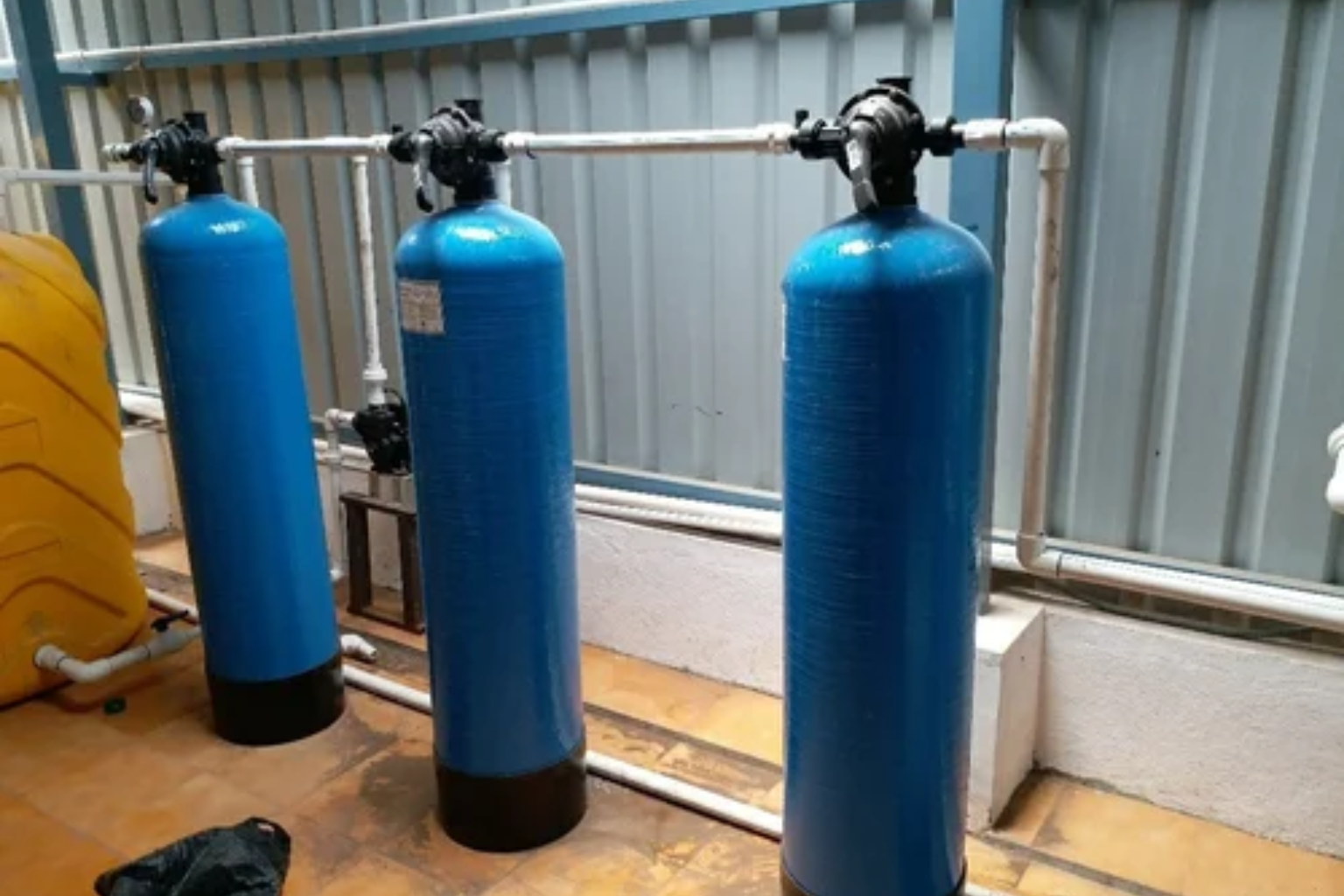
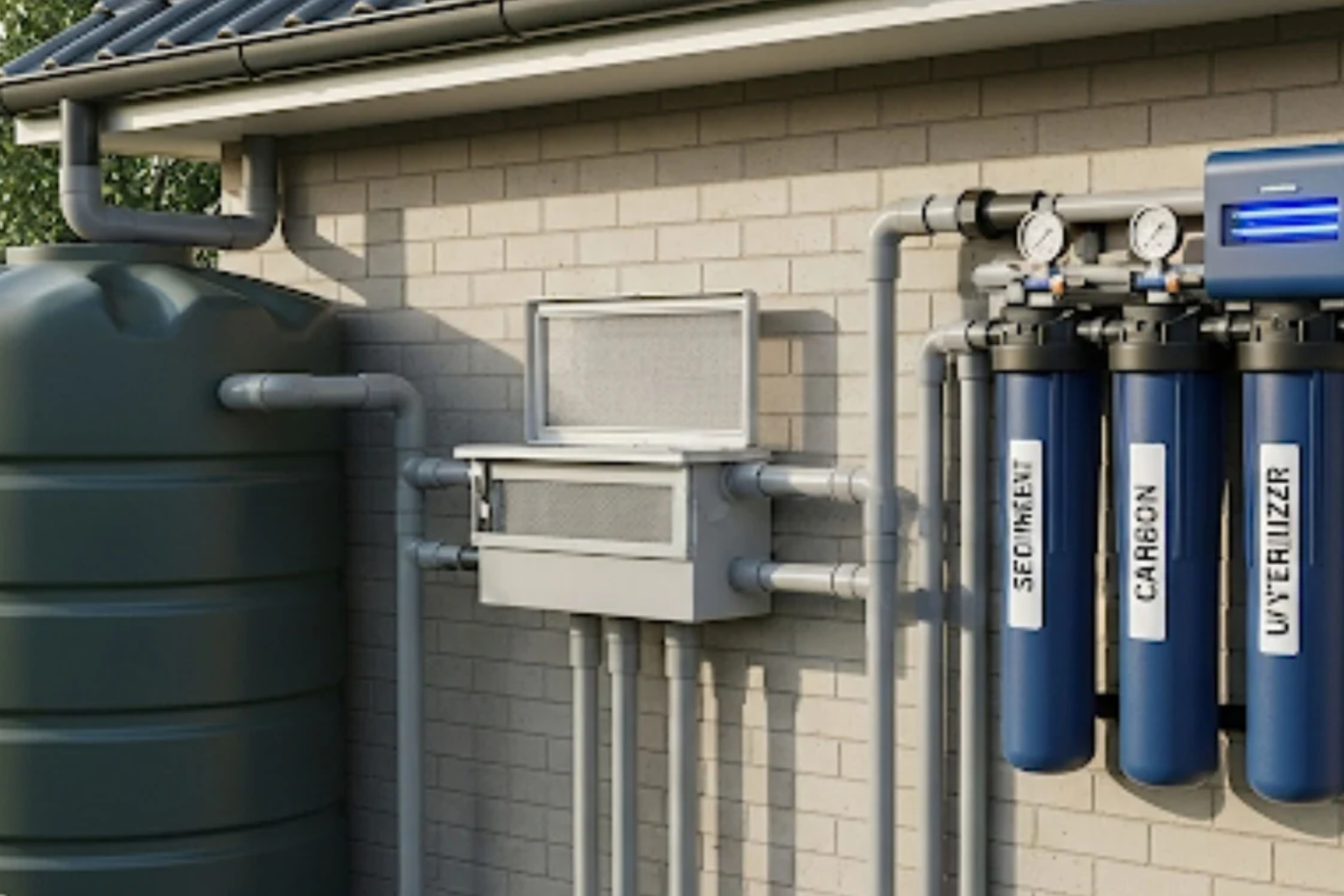
That’s where a reliable rainwater filter becomes essential. Installed at the collection point, it removes large particles before water enters storage systems. This not only improves water quality but also protects tanks and pumps from clogging or damage.
For homeowners new to rainwater harvesting, this single component often makes the difference between a system that works smoothly and one that requires constant maintenance.
The First Line of Defense: Keeping Debris Out
One of the most practical aspects of rainwater systems is their simplicity. Gutters collect water, downspouts channel it, and filters remove unwanted materials.
A strong focus on debris filtration ensures that organic matter — such as twigs, leaves, and dirt — is captured before entering the storage tank. This step dramatically reduces sediment buildup and prevents bacterial growth that can develop in stagnant water.
Many modern filtration designs even incorporate self-cleaning mechanisms, allowing debris to be automatically flushed away during heavy rainfall.
This makes systems more efficient and reduces the need for frequent manual cleaning, something homeowners definitely appreciate.
Improving Collection Efficiency
Beyond filtration, the overall effectiveness of a rainwater harvesting system depends on how efficiently water is captured and stored.
The concept of rainwater catchment efficiency involves several factors: roof surface area, gutter design, storage capacity, and filtration performance. Even small improvements in these areas can significantly increase the volume of usable water collected during a single rainfall.
For instance, smooth roofing materials typically allow water to flow more quickly and cleanly into gutters. Properly angled piping prevents pooling and reduces contamination risks.
It’s not about complex technology — often, it’s about thoughtful design.
Everyday Benefits That Add Up
Many people initially adopt rainwater harvesting to reduce utility bills. And yes, that’s certainly a benefit. Using collected rainwater for landscaping, washing vehicles, or outdoor cleaning can noticeably lower monthly water consumption.
But over time, the advantages extend further.
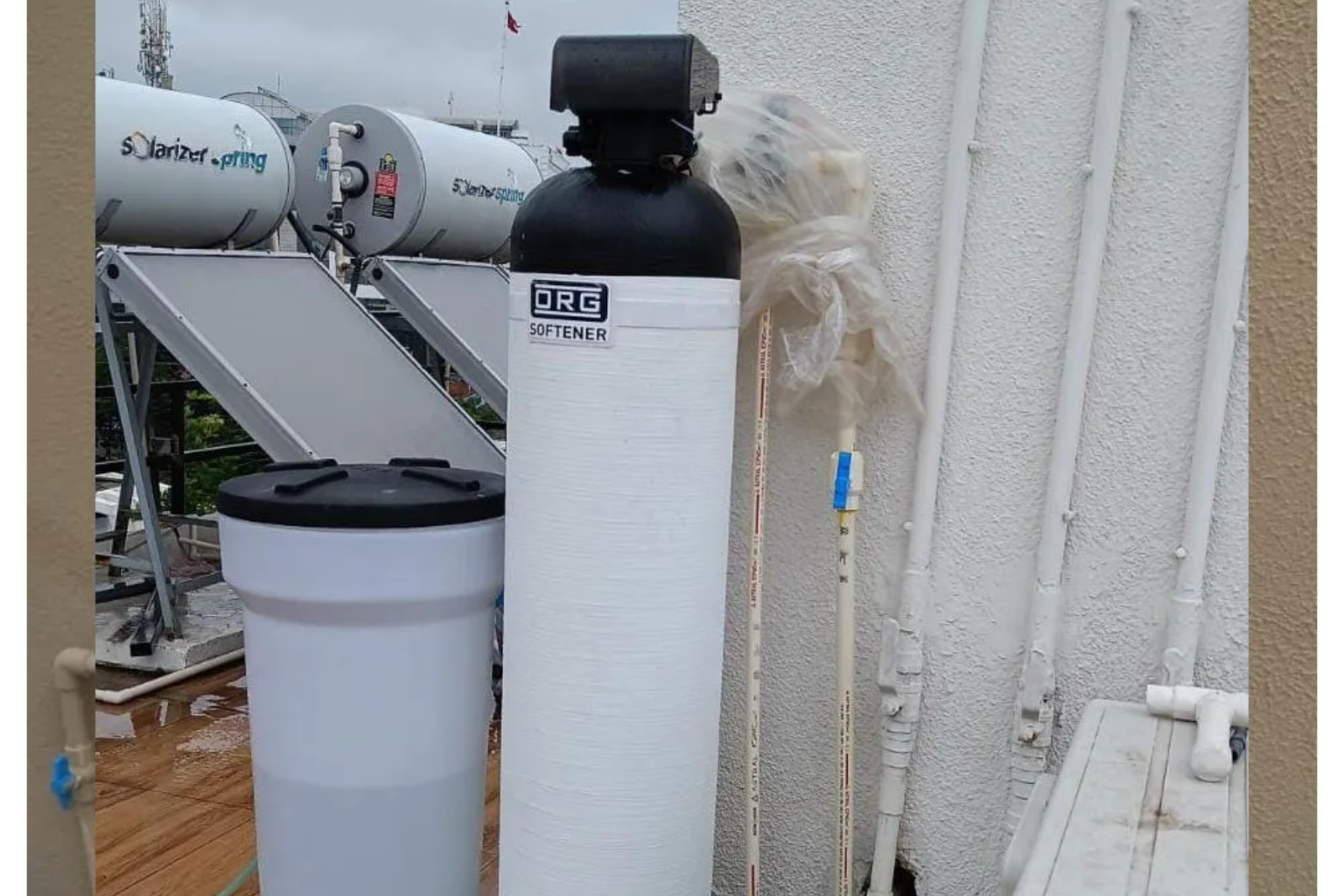
Rainwater is naturally soft, meaning it contains fewer dissolved minerals compared to groundwater. This makes it particularly suitable for irrigation and cleaning, as it leaves fewer deposits and reduces soap usage.
There’s also an environmental dimension. By collecting rainwater, households reduce pressure on municipal supply systems and help mitigate stormwater runoff, which can contribute to flooding and soil erosion.
Addressing Common Concerns
Some people hesitate to install rainwater systems due to concerns about maintenance or safety. These worries are understandable, but often overstated.
Modern systems are designed for ease of use. With proper filtration and occasional inspections, maintenance requirements remain minimal. Regular cleaning of gutters and periodic filter checks typically keep systems running smoothly.
As for safety, rainwater intended for drinking requires advanced purification processes. However, for non-potable uses — such as gardening or washing — standard filtration systems are generally sufficient.
Understanding the intended use helps homeowners choose the appropriate setup without unnecessary complexity.
A Step Toward Sustainable Living
Rainwater harvesting reflects a broader shift in how people think about resources. Instead of relying solely on centralized supply systems, many are embracing decentralized, sustainable solutions that provide greater independence and resilience.
There’s also something deeply satisfying about it. Collecting rainwater creates a tangible connection between natural cycles and everyday life. It turns something as simple as rainfall into a meaningful resource.
Over time, this mindset often encourages other environmentally conscious habits — reducing waste, conserving energy, and making thoughtful choices about resource use.
When Simplicity Meets Impact
Perhaps the most remarkable aspect of rainwater harvesting is how straightforward it is. It doesn’t require complex infrastructure or advanced technology. A well-designed system with effective filtration can operate reliably for years.
And yet, its impact is far-reaching — from conserving water supplies to reducing environmental strain.
In a world where sustainability challenges often feel overwhelming, rainwater collection offers something refreshing: a solution that’s both simple and achievable.
Because sometimes, the most powerful changes don’t come from reinventing technology — they come from rediscovering how to work in harmony with nature.
And every drop of rain that’s thoughtfully captured is a quiet reminder of that possibility.