



There’s a quiet comfort in turning on the tap and hearing that familiar rush of water, knowing it’s there for a drink, a scrub, a rinse. Most of us do it on autopilot. We don’t question it. But maybe we should—at least once in a while. Because the water we trust every day? It might be carrying more than just hydration.
Let’s talk about what it means to have safe drinking water, what can go wrong, and how you can make sure what you’re pouring into your glass isn’t secretly carrying a chemical cocktail.
The Illusion of Clarity
Here’s the thing—just because your water looks clean doesn’t mean it’s pure. It’s easy to be lulled into that false sense of security. Crystal-clear water might still carry a host of invisible threats, from chemical residues to microscopic parasites. That’s the unnerving part—it’s silent. Odorless. Tasteless. And yet, still dangerous.
Municipal systems and private wells alike are susceptible to issues, especially if you’re in an older home, a rural area, or near industrial zones. And while government regulations exist, they don’t always catch everything. Even compliant water may not be ideal for your personal health needs or sensitivities.
The Hidden Cast of Characters: What Might Be Lurking in Your Water
Water can carry a surprising number of contaminants, and not all of them are regulated. Think lead from old pipes, nitrates from fertilizers, or bacteria from faulty septic systems. And then there are the unregulated nasties—pharmaceutical traces, PFAS (a.k.a. “forever chemicals”), microplastics. Tiny things with big consequences.
Let’s not forget about chlorine and chloramine—disinfectants used to treat municipal water. Useful, sure. But over time, they can lead to dry skin, strange tastes, and possibly long-term health effects, especially in children and pregnant women.
So while you may never see these pollutants, that doesn’t mean they’re not there. You just have to know what to look for.
Getting the Facts: Why Testing Matters
You wouldn’t drive a car without a dashboard, right? Well, using water without knowing what’s in it is kind of the same thing. You need data. That’s where a water quality check comes into play.
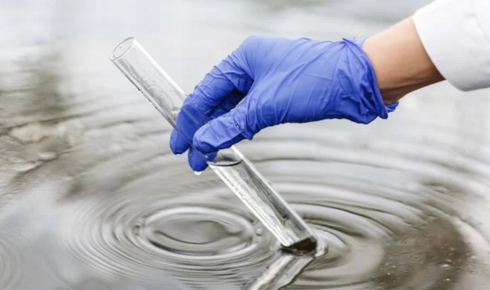
Testing is your first defense. It’s not just for people with private wells—city water users can benefit too. Kits range from basic strips to more advanced lab services, and many companies offer free testing consultations. A proper analysis can tell you if your water is hard or soft, what its pH is, if there are harmful metals, bacteria, or any lurking chemical compounds.
And here’s the kicker—just a single check can shift your perspective entirely. You might find out your water’s fine. Or you might realize you’ve been slowly ingesting things you didn’t sign up for.
The Real Cost of Dirty Water
Okay, so maybe your water isn’t making you sick right now. But the damage can be slow and sneaky. Over time, contaminated water can:
- Aggravate allergies or respiratory issues
- Weaken immune systems (especially in kids and elders)
- Harm plumbing and appliances (hello, costly repairs)
- Make your skin dry and itchy
- Leave residue on clothes and dishes
And then there’s the mental tax. That low-level worry every time you fill a glass or boil pasta. Should I be concerned? Should I be filtering this? Should I get it checked?
That anxiety alone is reason enough to take action.
Safe Doesn’t Always Mean Healthy
Let’s pause and talk nuance. Safe drinking water—by legal definition—means it meets government standards. But here’s the secret: “safe” isn’t the same as “optimal.” The EPA only regulates about 90 contaminants. That’s a drop in the bucket compared to the thousands of chemicals modern science has identified.
So even if your city’s water passes every test, it could still contain trace levels of lead, VOCs, or disinfection byproducts that affect taste, smell, or long-term wellness.
If you’re expecting, have a baby at home, or have certain health conditions, you might want higher standards than what’s printed on your utility bill.
What Clean Water Should Feel Like
Clean water doesn’t just look clean—it behaves differently. It doesn’t leave a film on your hands after washing. It doesn’t make your tea taste bitter. It doesn’t fog up your glass or coat your appliances with residue.
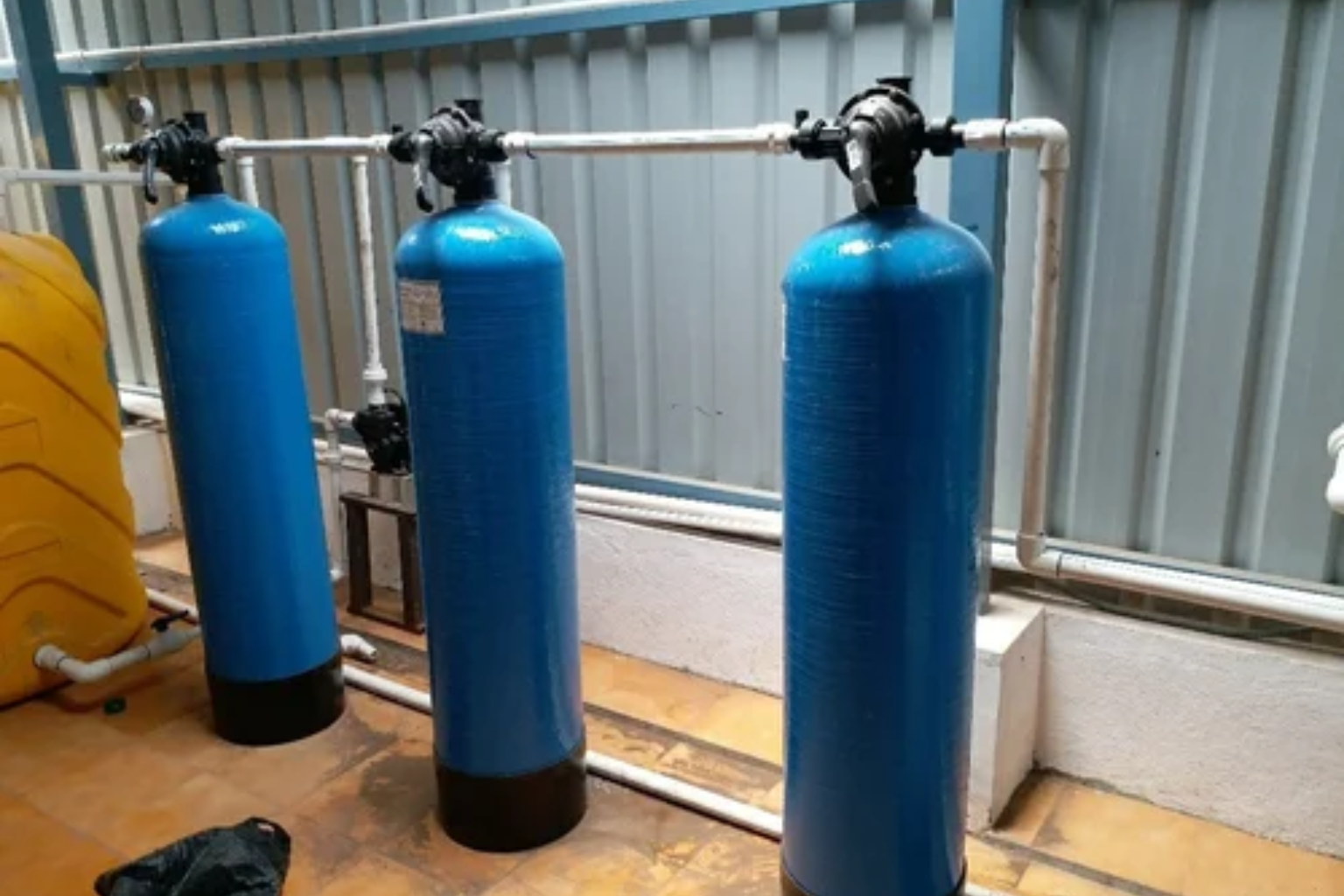
Filtered water, softened water, reverse-osmosis-treated water—whatever solution you choose—should improve your quality of life. Food tastes better. Skin feels softer. Showers become more refreshing. It’s like upgrading from a basic mattress to one that actually supports your back.
Water affects everything. Cooking. Bathing. Cleaning. Living. Once you taste what “right” feels like, you’ll never want to go back.
Taking the Next Step: What You Can Do Today
You don’t need to overhaul your plumbing overnight. But here’s what you can do:
- Get your water tested. Start with a simple water quality check—many local companies will even do it for free. Know your numbers.
- Evaluate your lifestyle. Do you have a baby at home? Hard water? Sensitive skin? Live near farmland? All of these matter.
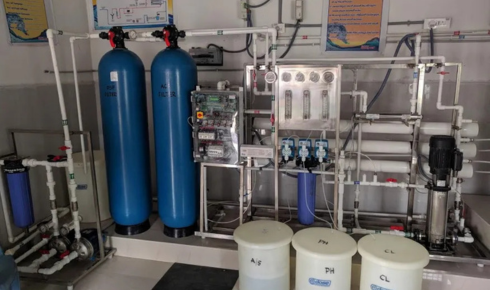
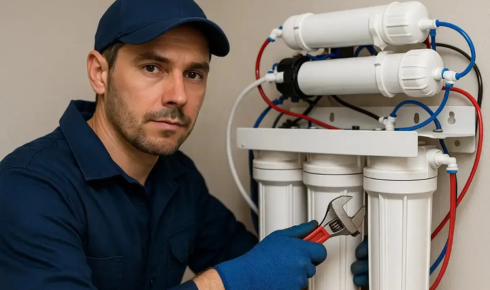
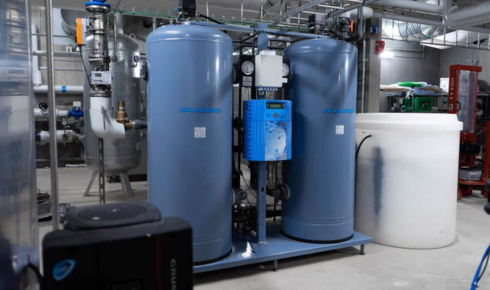
- Choose your filter wisely. Not all filters are created equal. A simple pitcher won’t remove heavy metals or nitrates. Research systems like reverse osmosis, carbon filters, or water softeners depending on your test results.
- Stay informed. Sign up for water quality alerts in your city. Watch for changes in taste or smell.
Remember, action doesn’t have to be overwhelming. One small step—one test, one filter—can radically change your daily routine.
Clean Water Is a Right, Not a Luxury
Access to safe water shouldn’t be something only a few can afford or think about. It should be a given. But until the system improves, the responsibility falls on us to make sure our homes are safe.