Water is one of those things most of us rarely think about until something seems off. Maybe there’s a strange taste in the morning coffee, white residue around the faucet, or an odor that makes you hesitate before filling your glass. These little signs can become surprisingly frustrating over time.
For homeowners in Clearwater, understanding what’s actually in the household water can make it easier to choose the right treatment. The goal isn’t necessarily to install the biggest or most expensive system available. It’s about finding a practical solution that fits the home, the water quality, and the way your family uses water every day.
Why Household Water Quality Matters
Clear, running water can look perfectly normal while still containing minerals, sediment, or other substances that affect taste, odor, and household plumbing. Some issues are obvious, while others only become noticeable after months or years.
Think about the kitchen sink. If you’re constantly wiping away spots around the faucet, cleaning scale from fixtures, or replacing water-using appliances sooner than expected, the water itself may be part of the problem.
That doesn’t mean every home has the same water concerns. Water quality can vary depending on the source, plumbing, treatment processes, and conditions within the property. Testing is therefore a sensible first step before making a treatment decision.
Understanding Different Treatment Options
There isn’t one water treatment system that solves every problem. Different technologies are designed for different purposes, which is why homeowners should resist the temptation to choose a system based only on a long list of features.
Some filtration systems focus on improving taste and odor. Others are designed to reduce particular contaminants or sediment. water softeners address hardness minerals, while reverse osmosis is often used to provide highly filtered water for drinking and cooking.
When researching water treatment systems in Clearwater, look at what each system is actually designed to accomplish. Ask questions about capacity, maintenance, filter replacement, installation, and expected performance. A little research upfront can save a lot of frustration later.
Hard Water Can Be a Household Nuisance
Hard water is a common concern for homeowners because of the minerals it contains. Calcium and magnesium can leave scale on faucets, shower doors, sinks, and appliances.
At first, it may just look like an annoying cleaning chore. But over time, mineral buildup can affect water-using equipment and make certain household tasks more difficult.
A water softener can help reduce the effects of hard water by treating the water before it travels throughout the home. This is different from drinking-water filtration, though, and understanding that distinction is important when planning a complete treatment setup.
What Filtration Can Do for Drinking Water
Many homeowners pay special attention to the water they drink and use for cooking. After all, those few gallons used in the kitchen are directly connected to daily meals, beverages, and hydration.
Point-of-use filtration can be a convenient option. An under-sink system, for example, can provide treated water at a dedicated faucet without requiring every gallon entering the house to go through the same filtration process.
Reverse osmosis is another option for households seeking a higher level of treatment for drinking and cooking. The right choice depends on the water conditions and what the homeowner wants the system to accomplish.
Looking at Clearwater Water Treatment as a Complete Picture
It’s easy to focus on one issue and overlook everything else. A homeowner might want better-tasting drinking water but also have hard-water scale throughout the house. Another family might care mostly about sediment or odors.
That’s why Clearwater water treatment solutions should be considered according to the home’s specific needs rather than a one-size-fits-all formula.
A professional assessment can help identify where treatment would be most useful. In some homes, that might mean a whole-house filtration system. In others, combining softening with a dedicated drinking-water system may provide a more practical result.
Why Water Testing Is Worth the Effort
Before spending money on equipment, testing the water can provide useful information. Depending on the situation, testing may evaluate factors such as hardness, pH, dissolved solids, iron, sulfur, or other characteristics.
Testing helps turn vague concerns into something more concrete. Instead of saying, “My water tastes strange,” you have information that can guide the next step.
It can also prevent over-treatment. If a particular contaminant or water-quality characteristic isn’t present, there may be no reason to purchase equipment designed specifically to address it.
The Benefits of Treating Water Throughout the House
Drinking-water filtration is useful, but household water is used for much more than drinking. Showers, washing machines, dishwashers, toilets, bathroom fixtures, and water heaters all rely on the same supply.
This is where whole-home water treatment in Clearwater can become an appealing option for homeowners who want to address water quality throughout the property.
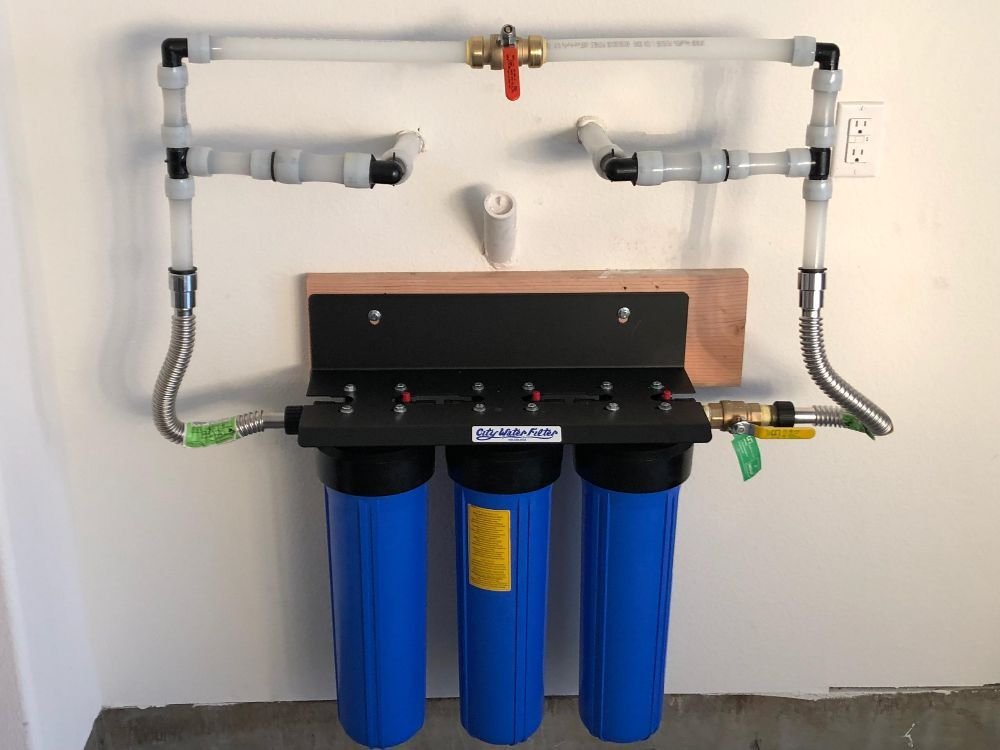
Whole-home treatment can be designed around the characteristics of the incoming water. Depending on the setup, it may involve filtration, softening, or other treatment technologies. The important point is that the system should be selected according to actual water conditions rather than simply installed because it sounds comprehensive.
Installation Matters More Than People Think
Even good equipment can perform poorly when it isn’t installed correctly. Water pressure, plumbing configuration, available space, drainage, and system capacity all need to be considered.
A professional installer can also explain how the system should be maintained. That information is valuable because water treatment isn’t something you install once and forget about forever.
Filters eventually need replacing. Components may need inspection. Some systems require periodic servicing. Staying on top of these tasks helps maintain performance and can extend the useful life of the equipment.
Choosing a System That Fits Real Life
The best water treatment setup is one you can live with comfortably. Consider your household size, daily water consumption, available installation space, maintenance preferences, and budget.
Don’t be afraid to ask straightforward questions. How often will filters need changing? What happens if the system stops working? Is professional service available? What does ongoing maintenance cost?
A good provider should be able to answer without making the conversation unnecessarily complicated.
Better Water Starts With Understanding Your Home
Improving household water quality doesn’t have to mean turning your home into a science experiment. Start with the basics: understand your water source, test when appropriate, identify the problems that actually matter, and then compare treatment options.
For Clearwater homeowners, the right approach can make everyday water use more comfortable and convenient. Cleaner-tasting drinking water, fewer mineral deposits, and better-protected plumbing can all add up over time.
Ultimately, water treatment is about more than equipment sitting in a utility room. It’s about making something you rely on every single day work better for your household. And sometimes, that small improvement is one you notice every time you turn on the tap.